Category: home services

  • What It Takes to Make Drinking Water Better at Home

    What It Takes to Make Drinking Water Better at Home

    There’s something wonderfully ordinary about a glass of water. You pour it, take a sip, and move on with your day. We rarely stop to think about where it came from or what happened to it before it reached the kitchen tap. But then, every so often, the water tastes a little strange. Maybe it has a chlorine-like smell, leaves a metallic aftertaste, or simply doesn’t taste as refreshing as it should.

    That’s usually when people start looking into water treatment. And honestly, it can get confusing fast. Filters, membranes, carbon cartridges, mineral levels, purification systems — suddenly a simple glass of water sounds like a chemistry lesson.

    The good news is that you don’t need to become a water-quality expert. You just need to understand a few basics and choose treatment based on the actual characteristics of your water.

    Clear Water Isn’t Always Problem-Free

    The first thing worth knowing is that appearance doesn’t tell the whole story. Water can look perfectly clear while still containing dissolved substances that affect taste, scale, or overall quality.

    On the other hand, a temporary change in appearance doesn’t necessarily mean something dangerous is present. Sediment can sometimes enter plumbing after maintenance or changes in water flow, for example.

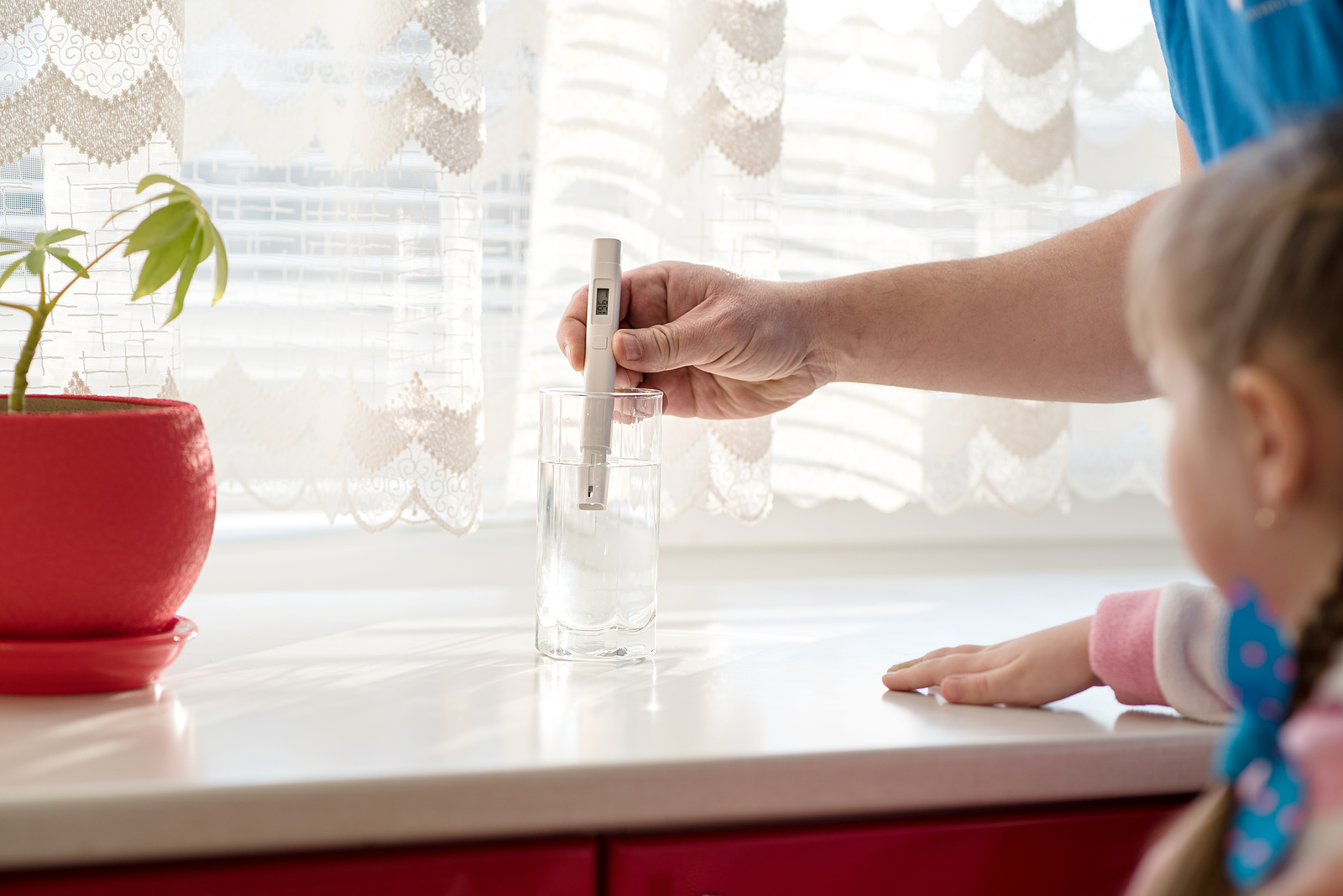
    That’s why testing is such a useful starting point. Instead of guessing what might be happening, a water test can provide information about hardness, pH, mineral content, and other characteristics.

    For homeowners, this can prevent an all-too-common mistake: buying a treatment system first and figuring out what it does later.

    What Makes Water Taste Better?

    Taste is subjective, but certain characteristics commonly affect how drinking water tastes. Chlorine, minerals, sulfur compounds, and other substances can give water a noticeable flavor or odor.

    Activated carbon filters are widely used to improve taste and reduce chlorine and certain organic compounds. They’re often a relatively straightforward option for households that mainly want a more pleasant drinking experience.

    Of course, treatment needs to match the problem. A carbon filter isn’t designed to remove everything, and assuming one filter can handle every possible water-quality concern can lead to disappointment.

    For many families, the goal is simply clean, clear, better-tasting drinking water that they actually enjoy reaching for throughout the day.

    Understanding Dissolved Solids

    The phrase “dissolved solids” can sound more alarming than it really is. It generally refers to substances dissolved in water, including minerals and salts.

    Calcium and magnesium, for example, contribute to water hardness. Other dissolved minerals may influence taste, conductivity, or the way water behaves in plumbing and appliances.

    A measurement often called total dissolved solids, or TDS, can provide a general indication of the amount of dissolved material in water. But TDS alone doesn’t tell you whether water is safe or unsafe. Two water samples can have similar TDS readings while containing very different substances.

    That distinction matters. A single number shouldn’t be treated as a complete water-quality report.

    If a homeowner is concerned about a particular substance, more specific testing is often necessary.

    When Reverse Osmosis Becomes an Option

    Reverse osmosis, commonly shortened to RO, is a treatment technology that uses pressure to push water through a semipermeable membrane. The membrane can reduce many dissolved substances from the treated water.

    Because of this, RO systems are often installed at the point of use, particularly for drinking and cooking water. They’re useful when homeowners want a higher level of treatment than a basic carbon filter provides.

    However, RO systems aren’t maintenance-free. Filters and membranes need to be replaced according to the system’s requirements, and the system also produces a concentrated wastewater stream as part of the treatment process.

    That doesn’t make RO a bad choice. It simply means it should be selected because it solves a specific water-quality need, not because “more purification” always sounds better.

    Looking Beyond Taste and Appearance

    Taste and clarity are important, but they’re only part of the picture. Depending on the water source, homeowners may also want to understand whether specific harmful contaminants are present.

    Potential concerns vary significantly between municipal water and private wells. Public water systems are generally treated and monitored under applicable regulations, while private well owners have greater responsibility for testing their own water.

    For well owners, periodic testing can be especially important after flooding, repairs, changes in taste or odor, or other events that could affect the water source.

    The important point is to test for the contaminants relevant to your location and water source rather than relying on a generic “one test checks everything” approach.

    Hard Water Deserves Attention Too

    Sometimes the biggest water complaint isn’t about drinking at all. It’s about the bathroom.

    Hard water can leave mineral deposits on faucets, shower doors, and dishes. Over time, scale can also accumulate inside water heaters and plumbing components.

    If testing confirms high hardness, a water softener may be appropriate. Softening and filtration solve different problems, so they shouldn’t be treated as interchangeable technologies.

    A household might use a softener for the whole home and a separate drinking-water filter at the kitchen sink. That’s fairly common because different water uses have different priorities.

    Don’t Forget About Maintenance

    Whatever system you choose, maintenance matters.

    Filters have service lives. Membranes need replacement. Softener components need attention. If maintenance is ignored, water quality and system performance can gradually decline.

    It’s a good idea to write down installation dates and replacement schedules. Keep the model numbers of cartridges or membranes somewhere easy to find, too. When the time comes to replace something, you won’t have to pull the whole system apart just to figure out what you need.

    And if the water suddenly tastes or smells different, don’t automatically assume the filter has failed. Changes in the source water or household plumbing could also be responsible.

    Choosing the Right Treatment Isn’t About Buying More

    There is a tendency to think that a more complicated system must produce better water. That’s not necessarily true.

    The best setup is the one that addresses the actual issue without creating unnecessary cost or maintenance. A household with mild chlorine taste may need a carbon filter. Another property with significant hardness may benefit from softening. Someone dealing with specific dissolved contaminants may need a more advanced treatment approach.

    The starting point should always be the water itself.

    Test it. Understand the results. Decide what needs to change. Then choose the technology that makes sense.

    A Better Glass of Water Starts With Good Information

    Water treatment doesn’t have to be mysterious. Once you understand the difference between filtration, softening, and more advanced purification, many decisions become easier.

    Perhaps the biggest lesson is that there isn’t one perfect system for every home. Water sources differ, plumbing differs, and household expectations differ. What works beautifully in one property may be unnecessary in another.

    The goal is simple: water that suits the way you live and gives you confidence when you turn on the tap.

    And sometimes, after all the testing and equipment choices, the reward is almost laughably ordinary. You fill a glass, take a sip, and think, “Yep. That’s good water.” Then you get on with your day.

    That quiet improvement is often the whole point.

  • Why Water Testing, Proper Installation, and Regular Support Matter for Better Water Quality

    Why Water Testing, Proper Installation, and Regular Support Matter for Better Water Quality

    Water is one of those everyday essentials most people only think about when something goes wrong. A strange smell comes from the tap, a glass looks cloudy, or white scale begins collecting around the showerhead. Sometimes the problem is easy to notice. Other times, water can contain unwanted substances without showing any visible warning at all.

    That’s why taking care of a home’s water supply involves more than buying a filter and hoping for the best. Understanding the source, identifying the actual concern, selecting suitable equipment, and maintaining it over time all play a part. A thoughtful approach can improve water quality, protect plumbing, and help households avoid spending money on solutions that don’t address the real issue.

    Why Water Quality Deserves Closer Attention

    Water quality can vary significantly from one property to another. Municipal water is treated before it enters the public distribution system, but its characteristics may still be affected by treatment methods, storage facilities, aging pipes, and household plumbing. Some residents notice chlorine taste, sediment, or mineral buildup, while others may have no obvious concerns at all.

    Private wells and independent water sources require even more personal attention. The quality of well water can be influenced by soil conditions, nearby agricultural activity, septic systems, flooding, and the natural geology of the area. These factors can change over time, which means water that tested well several years ago may need to be checked again.

    The important thing is not to panic or make assumptions. Water problems should be approached through testing and informed advice rather than guesswork.

    Start With Water Testing

    Before choosing a treatment system, homeowners should understand what is actually present in their water. Free water testing can be a useful first step for identifying common concerns and deciding whether further laboratory analysis may be necessary.

    A basic test may provide information about hardness, pH, iron, chlorine, or other general characteristics. Depending on the water source and local risks, additional testing may be recommended for bacteria, nitrates, lead, arsenic, manganese, or other contaminants.

    Testing is especially important for private well owners. Clear water is not automatically safe water, and an unpleasant taste does not always indicate a dangerous problem. Only a suitable test can help distinguish between aesthetic concerns and issues that may require urgent attention.

    The results should be reviewed carefully. A professional can explain what the numbers mean and recommend treatment based on the specific findings. This approach prevents homeowners from purchasing equipment they may not need.

    Common Water Problems in Homes

    Hard water is one of the most common water-quality concerns. It contains minerals such as calcium and magnesium, which can leave white deposits on taps, sinks, shower doors, and appliances. Hard water may also make soap less effective and create problems for water heaters over time.

    Sediment is another issue that can affect both municipal and private water supplies. Sand, rust, silt, and other particles may cause cloudy water, clog fixtures, and reduce the lifespan of filters or appliances.

    Some households are more concerned about chlorine taste or odor. Chlorine is commonly used to disinfect public water, but its presence may affect the taste of drinking water. Carbon filtration is often used to reduce these aesthetic concerns.

    Other properties may experience iron staining, sulfur odors, low water pressure, or microbiological contamination. Each issue requires a different response. A water softener, for example, is not designed to solve every water-quality problem, and a drinking-water filter may not address concerns affecting the entire home.

    Choosing the Right Treatment Equipment

    Once testing is complete, the next step is selecting a system that matches the household’s needs. The right equipment depends on the water source, the type of concern, the number of people in the home, and the amount of water used each day.

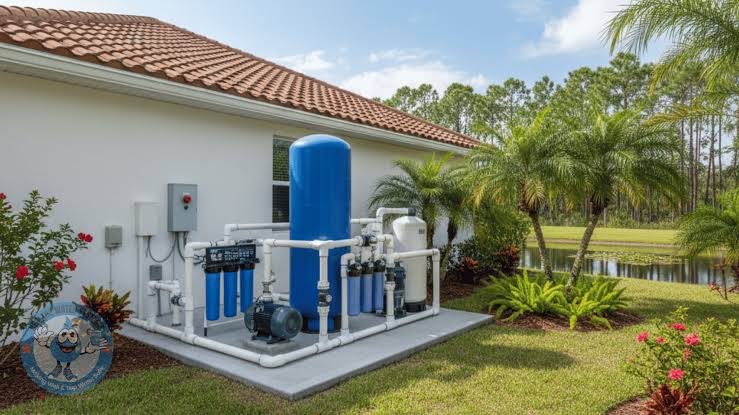
    Whole-home filtration systems treat water as it enters the property. They may be useful when sediment, odor, or other concerns affect multiple outlets. Water softeners are designed mainly to reduce hardness minerals and help limit scale buildup in plumbing and appliances.

    Point-of-use systems, such as under-sink filters and reverse osmosis units, focus on water used for drinking and cooking. These systems can be practical when the main concern is the quality or taste of water at a particular tap.

    In some situations, specialized equipment may be required. Ultraviolet systems can be considered for certain microbiological concerns, while iron or sulfur treatment may be necessary for particular well-water conditions. The equipment should always be selected according to test results, not simply based on advertising claims.

    The Importance of Professional Installation

    Even a high-quality water treatment unit may not perform correctly if it is installed poorly. Professional installation helps ensure that the system is connected safely and configured according to the property’s plumbing, pressure, flow rate, and drainage requirements.

    Installation involves more than attaching pipes. The technician may need to evaluate available space, electrical connections, bypass valves, shut-off points, drain lines, and the location of existing plumbing components. Incorrect connections can lead to leaks, reduced performance, or unnecessary strain on the system.

    Professional installation can also make future servicing easier. When equipment is placed logically and labeled properly, homeowners and technicians can access filters, valves, and controls without unnecessary difficulty.

    A qualified installer should explain how the system works, what it is designed to remove, and what the homeowner should expect in terms of maintenance. Clear instructions at the beginning can prevent confusion later.

    Why Maintenance Cannot Be Ignored

    Water treatment systems work continuously, so their components naturally require attention. Filters collect sediment and other materials, softeners need appropriate salt levels, and reverse osmosis systems require filter and membrane replacements. Neglecting these tasks can reduce water quality and system efficiency.

    Maintenance schedules vary depending on the equipment and water conditions. A household with heavy sediment may need more frequent filter changes than a home with relatively clean source water. Similarly, a private well system may need additional inspections after flooding or changes in water quality.

    Homeowners should keep a simple record of filter replacements, service visits, water tests, and repairs. It’s an easy habit, but it can make a noticeable difference. Instead of trying to remember when a filter was last changed, the information is available when needed.

    The Value of Ongoing Support

    Water quality is not always a one-time concern. Conditions can change, equipment can wear out, and new questions may arise after installation. That is why ongoing maintenance and support are valuable parts of a complete water treatment service.

    Reliable support gives homeowners someone to contact when water pressure changes, an unusual odor returns, an alarm activates, or replacement parts are needed. It also helps ensure that maintenance is completed before small problems become expensive repairs.

    A good service provider should offer straightforward communication, realistic recommendations, and transparent information about costs. Homeowners should never feel pressured into unnecessary upgrades or treatments. The focus should remain on keeping the system safe, effective, and suitable for the property.

    Building a Better Long-Term Water Strategy

    Improving household water quality begins with understanding the water itself. Testing helps identify the problem, proper equipment addresses the concern, and professional installation ensures that the system is set up correctly. Regular maintenance and dependable support then help protect that investment.

    Whether the property relies on municipal water or a private well, the goal is the same: a water system that performs reliably and supports everyday life. With careful planning and consistent attention, homeowners can reduce common water problems, protect their plumbing, and enjoy greater confidence in the water they use each day.

  • Understanding PFAS, Iron, and Sulfur Compounds in Your Water Supply

    Understanding PFAS, Iron, and Sulfur Compounds in Your Water Supply

    Water is something most people use without giving it much thought. We turn on the tap, fill a glass, wash vegetables, make coffee, and move on with the day. But when water develops an unusual smell, leaves orange stains, or raises concerns about long-term safety, it becomes impossible to ignore. These issues can be caused by naturally occurring minerals, industrial contaminants, or a combination of both.

    Among the concerns homeowners and businesses increasingly encounter are pfas and iron, sulfur-related odors, and broader water quality concerns. While these problems are different in origin, they can all affect how water looks, smells, tastes, and performs inside a property. Understanding the differences is the first step toward choosing the right testing and treatment approach.

    Why Water Problems Are Often More Complicated Than They Look

    Not every water issue is visible. Some contaminants change the appearance or smell of water, while others may be present without creating any obvious warning signs. That’s why relying only on taste, odor, or color can be misleading.

    For example, rusty-looking water may suggest iron, but the source could involve old plumbing, changes in water pressure, or sediment disturbance. A rotten-egg smell may point toward hydrogen sulfide, yet similar odors can sometimes come from drains or plumbing systems rather than the water itself.

    This is why professional water testing matters. A test can identify what is actually present instead of treating the symptom based on guesswork. It also helps determine whether the issue is aesthetic, related to plumbing performance, or potentially connected to health concerns.

    PFAS and Iron: Two Very Different Water Concerns

    PFAS, or per- and polyfluoroalkyl substances, are a group of manufactured chemicals used in products such as nonstick cookware, stain-resistant fabrics, firefighting foams, and certain industrial materials. They are often called “forever chemicals” because many types break down very slowly in the environment.

    Iron, on the other hand, is a naturally occurring mineral commonly found in groundwater. In many cases, iron is not considered a serious health threat at the levels typically found in private wells, but it can create frustrating household problems. These may include metallic taste, orange or brown stains, cloudy water, and buildup in fixtures and appliances.

    The treatment methods for pfas and iron are not automatically the same. Iron may be managed through oxidation, filtration, softening, or specialized iron-removal systems. PFAS reduction generally requires carefully selected treatment technologies, such as activated carbon or certain membrane systems, depending on the specific compounds and water conditions.

    Trying to solve both problems with a basic filter may not produce reliable results. The correct system depends on laboratory results, flow rate, water usage, and the contaminant levels involved.

    The Source and Impact of Sulfur Compounds

    One of the most recognizable water problems is the unpleasant smell often compared to rotten eggs. This odor is commonly associated with hydrogen sulfide, which may form when naturally occurring sulfur compounds interact with bacteria in groundwater, plumbing, or water heaters.

    In some homes, the smell is strongest when hot water is running. This can happen because the water heater’s anode rod reacts with sulfate in the water, creating hydrogen sulfide gas. In other cases, the odor may be present in both hot and cold water, suggesting a different source.

    The presence of sulfur compounds can affect more than comfort. Sulfur-related odors may make drinking water unpleasant, discourage people from using certain fixtures, and contribute to corrosion or dark staining under particular conditions. In severe cases, the smell can spread throughout a building, making the water feel unusable even when other quality indicators appear normal.

    Treatment depends on the cause and concentration. Possible solutions include activated carbon filtration, aeration, oxidation followed by filtration, chlorination, or specialized media. A water professional can determine which method is appropriate after testing the water and inspecting the plumbing system.

    Common Water Quality Challenges for Homes and Businesses

    Every property has its own water conditions. A rural home relying on a private well may face mineral and bacterial concerns that differ from those of a city property connected to a municipal supply. Commercial buildings, restaurants, healthcare facilities, and industrial operations may have even more complex needs because water is used in equipment, cleaning, production, or food preparation.

    Some common water quality challenges include:

    • Hard water and scale buildup
    • Iron and manganese staining
    • Unpleasant sulfur odors
    • Sediment and cloudiness
    • Bacterial contamination
    • PFAS and other emerging contaminants
    • Chlorine taste or odor
    • Low pH and corrosive water
    • High levels of dissolved solids
    • Inconsistent water pressure caused by buildup or filtration issues

    These problems can overlap. For instance, hard water may reduce the efficiency of a water heater, while iron deposits can clog filters and fixtures. Sulfur odors may be connected to groundwater chemistry or water-heater reactions. Treating one issue without understanding the others can lead to wasted money and disappointing results.

    Why Water Testing Should Come Before Treatment

    The most important step in addressing a water concern is testing. A professional analysis can reveal the actual chemical and biological characteristics of the water, helping property owners avoid unnecessary equipment or ineffective solutions.

    A basic test may examine pH, hardness, iron, manganese, total dissolved solids, and bacteria. Depending on the location and suspected risks, additional testing may be needed for PFAS, nitrates, arsenic, lead, volatile organic compounds, or other contaminants.

    Testing is especially important for private well owners because private wells are generally not monitored in the same way as public water systems. Changes in nearby land use, flooding, agricultural activity, industrial operations, or groundwater conditions can affect well water over time.

    It’s also wise to test after major plumbing work, flooding, changes in taste or odor, or unexplained staining. Water that was safe and pleasant a few years ago may not have the same characteristics today.

    Choosing the Right Water Treatment System

    Once test results are available, the next step is selecting equipment based on the actual problem. There is no universal filter that removes every contaminant effectively. A system designed for sediment may do little against dissolved chemicals, while a softener is not a complete solution for bacteria or PFAS.

    Depending on the results, a property may need one or more of the following:

    • Sediment filtration for sand, dirt, and suspended particles
    • Iron and manganese removal systems
    • Water softeners for hardness minerals
    • Activated carbon filters for certain chemicals, tastes, and odors
    • Reverse osmosis for targeted drinking-water treatment
    • Ultraviolet systems for microbial control
    • Aeration or oxidation systems for sulfur and iron
    • Whole-house filtration for broader water improvement

    Maintenance is just as important as installation. Filters need replacement, tanks may require servicing, and treatment media can lose effectiveness over time. A neglected system may eventually become less useful or even create additional water problems.

    A Practical Approach to Better Water

    Water treatment doesn’t have to feel overwhelming. The process becomes much easier when it follows a sensible order: identify the concern, test the water, understand the results, select suitable equipment, and maintain the system properly.

    It’s also important to remember that not every unpleasant water issue means the water is dangerous, and not every invisible contaminant is harmless. Appearance and safety are separate questions. Good treatment decisions come from reliable information rather than assumptions.

    Whether the concern involves chemical contaminants, iron staining, sulfur odors, or several issues at once, professional guidance can help protect plumbing, improve everyday comfort, and support safer water use. Clean, dependable water is not simply a convenience. It is part of a healthy property, and understanding what is in your water is the best place to begin.

  • Moving House With a Family: A Practical Guide to Keeping Everyone Sane

    Moving House With a Family: A Practical Guide to Keeping Everyone Sane

    Moving with kids, pets, or an elderly relative in tow adds a layer of complexity that solo movers rarely have to think about. It’s not just boxes and vans anymore — it’s coordinating school runs, keeping a nervous dog calm, and making sure Grandma’s favourite armchair survives the journey intact. This guide looks at how to plan a family move properly, covering the logistics that matter most when you’re not just moving belongings, but an entire household’s routine.

    Why Family Moves Need Extra Planning

    A single person moving flats can often pack and go within a couple of weeks. Families rarely have that luxury. School term dates, work schedules, childcare arrangements, and pets’ routines all need factoring into the timeline, which means planning generally needs to start earlier and account for more moving parts, quite literally.

    The goal isn’t to eliminate disruption entirely — that’s rarely possible — but to minimise it where you can and prepare everyone involved for what’s coming, including the family members who can’t pack a box themselves.

    Building a Timeline That Works Around Real Life

    Two Months Before

    Start researching removal companies and requesting quotes. This is also a sensible point to begin talking to children about the move, particularly if they’re old enough to understand and might have questions or worries about leaving friends or a familiar school.

    Six Weeks Before

    Book your removal company and begin decluttering as a family. Involving children in deciding what to keep, within reason, can help them feel more in control of a change they didn’t necessarily choose themselves.

    Three to Four Weeks Before

    Start packing non-essential items, arrange school transfers or notify the current school of the leaving date, and confirm any pet-related paperwork if you’re moving a significant distance, such as updating microchip details.

    Final Two Weeks

    Pack an essentials box for each family member, confirm arrival times with your removal company, and start winding down routines gently rather than abruptly on the final day.

    Choosing a Removal Company That Understands Family Moves

    Not every removal company handles family moves the same way, and it’s worth asking specific questions related to your household’s needs.

    • Can they accommodate a flexible timeline if school pickup or childcare affects your availability?
    • Do they have experience moving larger households with more furniture and belongings?
    • Are they comfortable working around pets remaining in the house during loading?
    • Can they provide an accurate time estimate so you can plan childcare or pet arrangements around the move itself?

    A company offering Removals Aylesbury UK services to families will typically be used to these kinds of practical considerations, having handled enough family relocations to know that a four-bedroom house with children’s bedrooms, a garden shed full of bikes, and a nervous cat requires a different approach than a straightforward one-bedroom flat move.

    Keeping Children Comfortable Through the Process

    Moving can be unsettling for children, even when the move itself is a positive change. A few practical steps help ease the transition:

    • Involve them in packing their own room, letting them decide what goes in their personal essentials box.
    • Keep a familiar item easily accessible, whether that’s a favourite toy, blanket, or book, so it’s not buried in a box on the first night.
    • Talk openly about what’s happening, using age-appropriate language, rather than assuming they’ll simply adjust without discussion.
    • Try to maintain a normal routine as long as possible, even amid the chaos of packing, since consistency helps reduce anxiety.
    • Plan something positive for the first day in the new home, whether that’s ordering their favourite dinner or setting up their bedroom first.

    Managing Pets During a Move

    Pets don’t understand what’s happening, and the noise, unfamiliar people, and open doors on moving day can be genuinely stressful for them.

    • Keep pets in a quiet, closed room, or arrange for them to stay elsewhere during the busiest loading period.
    • Make sure identification details, including microchip information, are updated with your new address as soon as you know it.
    • Pack a clearly labelled pet essentials bag with food, medication, bedding, and any comfort items.
    • On arrival at the new home, set up a familiar space for them before allowing full access to explore, giving them time to adjust gradually.

    Supporting Elderly or Less Mobile Family Members

    If your move involves an elderly relative, whether they’re moving with you or you’re helping them relocate separately, a slightly different approach often works best.

    • Prioritise comfort and clear labelling over speed, since navigating a chaotic house full of boxes can be disorientating.
    • Confirm accessibility at the new property in advance — stairs, doorway widths, and bathroom layout can all matter significantly.
    • Keep essential medications and mobility aids easily accessible throughout the move, never packed away in a box that might be loaded last.
    • Where possible, involve them in decisions about their own belongings rather than making choices on their behalf without discussion.

    Local Considerations for Family Moves

    Different areas come with different practical realities that matter more when you’re moving as a family. Parking availability, proximity to schools, and access to local services often weigh more heavily than they would for a single person relocating alone.

    For families researching Removals Barking UK services, it’s worth factoring in the area’s mix of housing types and the practicalities of larger household moves, including whether removal vans can access residential streets easily and whether permits are needed for loading near flats or terraced housing. A company with genuine experience in the area will usually be able to answer these questions directly, rather than leaving you to work it out on moving day itself.

    Common Mistakes Families Make When Moving

    • Underestimating the emotional side of moving for children, focusing purely on logistics.
    • Not confirming school transfer paperwork early enough, which can cause delays in enrolment.
    • Forgetting pet-specific needs, like updated identification or a quiet space during the move.
    • Overloading the moving day schedule, without building in flexibility for delays or a tired toddler needing a break.
    • Leaving elderly relatives’ needs as an afterthought, rather than planning around their comfort and mobility from the start.

    Frequently Asked Questions

    How early should I tell my children about an upcoming move?

    As soon as plans are reasonably confirmed, giving them time to process the change and ask questions. This varies by age, but generally earlier is better than a last-minute announcement.

    What’s the best way to keep pets calm during a house move?

    Keeping them in a quiet, familiar space away from the main loading activity, maintaining their usual feeding routine where possible, and setting up a familiar area for them immediately upon arrival at the new home all help reduce stress.

    Do removal companies charge more for family-sized moves?

    Pricing generally reflects the volume of belongings and property size rather than family status specifically, so a larger household naturally costs more to move than a smaller one, regardless of who lives there.

    How can I make moving day easier for an elderly relative?

    Prioritise clear labelling, keep essential items like medication accessible throughout, and confirm the new property’s accessibility in advance to avoid last-minute surprises.

    Should children help with packing?

    Involving children in packing their own belongings, within reason, often helps them feel more in control of the process and can ease anxiety about the move.

    What should go in an essentials box for a family move?

    Include a change of clothes, toiletries, chargers, any necessary medication, comfort items for children, and basic kitchen essentials so the first evening in your new home doesn’t require digging through unpacked boxes.

    Family moves come with more moving parts than most, but they’re entirely manageable with the right preparation. Build in extra time, communicate openly with everyone involved, human and otherwise, and choose a removal company genuinely experienced with household moves of your size. Handled well, a family move can become less about surviving the chaos and more about starting the next chapter together on solid footing.

  • Why the Right Air Handler Can Make Your HVAC System Work Better

    Why the Right Air Handler Can Make Your HVAC System Work Better

    Most people don’t spend much time thinking about the air handler in their home or business. It’s usually tucked away in a closet, attic, basement, or mechanical room, quietly moving conditioned air through the building.

    But when something goes wrong, the air handler quickly becomes impossible to ignore.

    Rooms may feel unevenly heated or cooled. Airflow can become weak. The system might run longer than expected, and energy costs may creep upward. In some cases, strange noises or moisture around the indoor unit can be the first clue that something needs attention.

    The good news is that proper installation, timely repairs, and regular care can help keep the system dependable.

    Why the Air Handler Matters

    An air handler is an important part of many HVAC systems. Depending on the equipment, it may contain a blower motor, evaporator coil, air filter, electrical controls, and other components.

    Its basic responsibility is to circulate conditioned air throughout the building.

    That sounds simple, but airflow has a direct effect on comfort and performance. If air can’t move properly, the heating or cooling equipment may need to run longer to achieve the desired temperature.

    That’s one reason homeowners shouldn’t focus only on the outdoor unit when an HVAC system isn’t performing well.

    The Value of Custom Air Handler Installation

    Every property is a little different. A compact home, large house, office, retail space, and warehouse don’t have identical airflow requirements.

    Professional custom air handler installation takes those differences into account.

    A technician can consider the building’s size, ductwork, insulation, existing heating and cooling equipment, airflow requirements, electrical capacity, and comfort needs when selecting and installing the air handler.

    Correct sizing is especially important. An improperly matched unit may contribute to poor airflow, inconsistent temperatures, unnecessary cycling, or reduced efficiency.

    Installation also involves more than setting the equipment in place. Connections, drainage, controls, duct transitions, and other components need to be properly configured.

    When the installation is done carefully, the entire HVAC system has a better chance of operating as intended.

    Signs Your Air Handler Needs Attention

    Air handler problems don’t always begin with a complete breakdown.

    You might notice that certain rooms aren’t receiving enough air. The blower could suddenly become louder. There may be an unusual smell, water near the indoor unit, or a noticeable increase in how long the system runs.

    Other warning signs can include:

    • Weak or inconsistent airflow
    • Strange buzzing, rattling, or squealing
    • Frequent cycling
    • Poor heating or cooling
    • Unexplained moisture around the unit
    • Increasing energy consumption
    • Uneven temperatures throughout the property

    None of these symptoms automatically identifies the exact problem. But they’re good reasons to have the system inspected.

    Why Fast, Reliable Repairs Matter

    When an HVAC system stops working, waiting several days for service isn’t always practical. During extreme weather, even a short outage can become uncomfortable quickly.

    That’s why fast, reliable repairs matter.

    A qualified technician can inspect the air handler and determine whether the problem involves the blower motor, electrical components, drainage, airflow, controls, or another part of the system.

    Sometimes the repair is relatively simple. Other times, a major component may need replacement.

    The important thing is getting an accurate diagnosis rather than guessing.

    And speed shouldn’t come at the expense of quality. A quick repair that fails again a week later isn’t much of a solution.

    System Efficiency Starts With Airflow

    When people talk about system efficiency, they often focus on the efficiency rating of the HVAC equipment.

    That’s important, but it’s only part of the equation.

    Dirty filters, restricted ducts, blocked vents, failing blower components, and poor installation can all affect how efficiently the system operates.

    For example, a clogged filter can restrict airflow and force the blower to work harder. Leaky ductwork can allow conditioned air to escape before it reaches the room. A poorly matched air handler can create airflow problems that affect the entire system.

    Efficiency is therefore a system-wide issue.

    Simple Maintenance Shouldn’t Be Forgotten

    Homeowners can do a few basic things to support air handler performance.

    Check the filter regularly and replace it according to the manufacturer’s recommendations. Keep return and supply vents unobstructed. Don’t store boxes or other items directly around equipment that requires clear access.

    It’s also worth paying attention to the area around the indoor unit. Unusual moisture, odors, or sounds shouldn’t be ignored.

    Professional maintenance can go deeper by checking electrical connections, blower components, coils, drainage, airflow, and other parts.

    Repair or Replace?

    When an air handler develops a problem, the question often becomes whether to repair it or replace it.

    Age is one factor, but it isn’t the only one.

    Consider the repair cost, previous repair history, condition of other HVAC components, energy performance, availability of replacement parts, and expected remaining service life.

    A relatively new air handler with one failed component may be an obvious repair candidate. An older system experiencing repeated problems could make replacement more sensible.

    A professional evaluation can help you compare the options without making the decision based purely on emotion.

    Don’t Forget the Rest of the HVAC System

    The air handler doesn’t operate independently.

    It works alongside other components, including the heating or cooling equipment, ductwork, thermostat, electrical system, and drainage.

    If airflow is poor, replacing only one component may not solve the underlying problem.

    For example, damaged ductwork can continue causing comfort issues even after a new air handler is installed.

    That’s why a good technician looks at the entire system rather than treating one symptom in isolation.

    A Better Air Handler Means Better Everyday Comfort

    You may never see your air handler, but you’ll certainly notice when it isn’t doing its job.

    Proper installation, prompt repairs, regular maintenance, and attention to airflow can help keep the HVAC system reliable and comfortable.

    If your current system is struggling, don’t immediately assume you need a complete replacement. Start with an inspection and find out what’s actually happening.

    Sometimes the solution is a simple repair. Sometimes it’s a new air handler designed specifically for the property.

    Either way, making an informed decision can save money, reduce frustration, and help your HVAC system deliver the comfort you expect — quietly, efficiently, and day after day.

  • Better Water Starts With the Right Treatment: A Practical Guide to Cleaner, Healthier Water

    Better Water Starts With the Right Treatment: A Practical Guide to Cleaner, Healthier Water

    There’s something easy to overlook about the water coming from your tap. It may look perfectly clear, smell fine, and still contain minerals, metals, chemicals, or other impurities that affect how it tastes and how your plumbing performs over time. In some homes, the biggest clue is a stubborn white film on the shower door. In others, it’s dry skin, strange-tasting drinking water, or stains that seem impossible to scrub away.

    The good news is that water treatment doesn’t have to be complicated. The right solution depends on what’s actually in your water and what you want to improve. A good starting point is understanding the most common treatment options and what each one is designed to do.

    Understanding What’s Really in Your Water

    Water quality can vary dramatically from one home to another, even within the same neighborhood. Municipal water supplies are treated before reaching households, while private wells can have their own set of challenges. Hardness, iron, sulfur, chlorine, sediment, and certain contaminants may all affect water in different ways.

    That’s why buying a treatment system simply because a neighbor has one isn’t always the smartest move. Your water has its own story.

    A basic water test can reveal important information about hardness, pH, iron, sulfur, and other characteristics. Once you know the problem, choosing a treatment system becomes much more straightforward.

    When Hard Water Becomes a Household Problem

    Hard water is one of the most common water-quality issues. It contains elevated levels of minerals such as calcium and magnesium. These minerals aren’t usually something people notice when drinking a glass of water, but they can make themselves known elsewhere around the house.

    You may see cloudy spots on faucets, mineral deposits around fixtures, or a crusty layer inside appliances that use hot water. Soap and shampoo may also struggle to lather properly. Over time, mineral scale can build up inside pipes and water heaters.

    For households dealing with these issues, water softeners can make a noticeable difference. These systems are designed primarily to reduce hardness minerals, helping minimize scale and making water feel different on the skin. They can also help protect plumbing fixtures and appliances from ongoing mineral buildup.

    Still, a softener isn’t a universal filter. It doesn’t solve every possible water-quality problem, which is why testing matters.

    Cleaner Drinking Water at the Tap

    Whole-home treatment and drinking-water treatment aren’t necessarily the same thing. You might have water that’s suitable for bathing and cleaning but still want additional treatment for the water you drink and cook with.

    This is where reverse osmosis systems are often considered. Reverse osmosis, commonly called RO, pushes water through a specialized membrane designed to reduce a wide range of dissolved substances. Depending on the system and its configuration, RO treatment can reduce certain salts, minerals, metals, and other unwanted compounds.

    Many people appreciate RO systems because they provide an additional level of treatment right where drinking water is used most. They’re commonly installed at a kitchen sink, although larger configurations are available.

    One thing worth remembering: reverse osmosis creates treated water at a slower rate than a simple faucet filter, and the system requires regular filter and membrane maintenance. It’s not “install it and forget it” equipment.

    What About Iron and That Rotten-Egg Smell?

    Well water can bring a different collection of headaches. Iron may leave orange or reddish stains in sinks, toilets, and tubs. It can also give water a metallic taste. Then there’s sulfur, which is famous for that unpleasant rotten-egg smell.

    These problems can make perfectly usable water feel, well, not very usable.

    Iron & sulfur filters are specifically designed to address certain forms of iron and sulfur-related water problems. Depending on the chemistry of the water, treatment may involve oxidation, filtration, aeration, or a combination of technologies.

    The important detail is that iron and sulfur aren’t always present in the same form. Dissolved iron, for example, can behave differently from visible iron particles. That’s another reason a proper water analysis is more useful than guessing based on appearance alone.

    Choosing Between Whole-Home and Point-of-Use Treatment

    One of the biggest decisions homeowners face is whether to treat all the water entering the house or focus on specific taps.

    Whole-home systems treat water at the point where it enters the property. This can make sense when the problem affects bathing, laundry, plumbing, and appliances—not just drinking water.

    Point-of-use systems, on the other hand, target water at a particular location. An under-sink drinking-water system is a common example.

    Think about how the problem actually affects your household. If you’re mainly concerned about drinking water, treating the kitchen tap may be enough. If hard water is leaving scale throughout the house, a whole-home approach may make much more sense.

    Don’t Ignore Maintenance

    Even a high-quality water treatment system needs attention. Filters become saturated, membranes eventually need replacement, and tanks or other components may require servicing.

    Skipping maintenance can reduce performance and, in some cases, create new water-quality concerns. A system that worked beautifully two years ago might not perform the same way if its filters haven’t been changed.

    Keep a simple maintenance schedule. Write down installation dates, filter changes, and service visits. It sounds boring, but it saves headaches later.

    Also, don’t assume the biggest or most expensive system is automatically the best. Oversized equipment can cost more upfront and may require unnecessary maintenance. Good treatment is about matching the technology to the actual water problem.

    A Smarter Way to Improve Home Water

    There’s no single “best” water treatment system for every household. Hard water calls for a different approach than iron staining. Drinking-water concerns may require different treatment from whole-home plumbing protection.

    Start with testing. Look at the symptoms you’re seeing, understand what the water contains, and then choose technology based on those findings. If you’re dealing with complicated well-water chemistry or several problems at once, professional guidance can be especially helpful.

    Clean, better-tasting water isn’t just about buying another piece of equipment. It’s about understanding what your household actually needs. Once you get that part right, the rest becomes much less confusing—and your water, plumbing, and appliances can all benefit from the decision.

  • How Smart Water Technology Is Changing the Way We Manage Water at Home

    How Smart Water Technology Is Changing the Way We Manage Water at Home

    Water is one of those things we rarely think about until something goes wrong. A dripping tap, an unexpectedly high water bill, a damp patch under the sink — suddenly, water becomes the most interesting thing in the house.

    That’s beginning to change as connected technology moves into everyday water management. Instead of waiting for a leak or manually checking a meter, homeowners can now use sensors and connected devices to understand how water is being used in real time. It’s a small shift, but potentially a very useful one.

    What Is Smart Water Monitoring?

    Traditional water management is mostly reactive. You notice a problem, investigate it, and then try to fix it.

    Modern smart water monitoring systems take a different approach. They use sensors, meters, software, and connected devices to collect information about water flow, pressure, temperature, and consumption.

    Depending on the system, homeowners may be able to see how much water is being used throughout the day, identify unusual patterns, and receive alerts when something doesn’t look right.

    It’s a bit like having a dashboard for your home’s plumbing. Instead of guessing what’s happening behind the walls, you get useful clues.

    Why Real-Time Water Data Matters

    A monthly water bill tells you how much water was used, but it doesn’t necessarily tell you when or why that water was consumed.

    A smart monitoring device can provide much more detail. For example, it might show a sudden increase in water flow late at night when everyone is asleep. That could be completely innocent — perhaps an automated appliance is running — or it could indicate a hidden leak.

    This information becomes especially valuable when unusual usage repeats over several days.

    And sometimes the small things add up. A toilet that quietly runs for hours may waste far more water than a dripping faucet, even though the problem isn’t obvious from across the room.

    How Leak Detection Has Improved

    Leaks used to be discovered mostly through visible damage or an unusually large bill. By then, the problem might have been going on for weeks.

    A modern leak detection solution can monitor water flow continuously and identify patterns associated with potential leaks. Some devices can even detect very small continuous flows that would be difficult for a homeowner to notice.

    Certain systems can send an alert directly to a smartphone. Others may be connected to an automatic shutoff valve that can stop the water supply when a serious leak is detected.

    That second feature can be especially useful when nobody is home.

    A Smart Assistant for Everyday Water Questions

    Connected technology isn’t only about alarms. Some newer platforms are designed to make water information easier for ordinary people to understand.

    A smart water assistant can help turn raw usage data into something more practical. Instead of showing a homeowner a confusing stream of numbers, software can highlight unusual consumption, explain trends, or suggest areas where water use might be reduced.

    Imagine getting a message that says your overnight water consumption is higher than normal, rather than simply receiving a technical notification about flow rate.

    That’s a much more human way to use technology.

    Saving Water Without Making Life Difficult

    Water conservation often gets presented as a list of sacrifices: shorter showers, turning off the tap, watering plants less often. Those habits matter, but technology can make conservation less annoying.

    When people can actually see where water is going, they can make better decisions.

    Maybe an old appliance is using more water than expected. Perhaps outdoor irrigation is running longer than necessary. Or maybe the family simply uses significantly more water on certain days.

    The goal isn’t to obsess over every liter. It’s to understand patterns and make sensible adjustments.

    Smart Water Systems and Home Automation

    The real potential becomes clearer when water monitoring connects with other smart-home devices.

    A connected shutoff valve could respond to a serious leak alert. An irrigation controller could adjust watering based on weather information. A home automation platform might send notifications when unusual activity occurs while the house is empty.

    Of course, compatibility matters. Not every smart device works with every ecosystem, and homeowners should check requirements before buying several separate devices.

    Technology is most useful when it simplifies things, not when it creates another app to manage.

    Privacy and Security Still Matter

    Any connected device deserves a little scrutiny. Smart water equipment can collect information about household water usage, and that data may reveal patterns about when people are home or away.

    Choose reputable manufacturers, keep device software updated, use strong passwords, and understand what information the platform collects.

    It may seem like overkill for a water sensor, but connected-home security is still security.

    Installation and Maintenance

    Some monitoring devices are designed for relatively simple installation, while others require access to the main water line and professional plumbing work.

    Before purchasing, check whether the system is compatible with your plumbing setup and whether installation requires a licensed professional.

    Sensors and batteries may also need periodic attention. A monitoring device can’t protect you effectively if its battery has been dead for six months.

    That sounds obvious, but it’s the kind of detail people forget after the excitement of installation wears off.

    Is Smart Water Monitoring Worth It?

    For some households, absolutely. Homes with older plumbing, previous leak problems, vacation properties, or unusually high water bills may benefit particularly from continuous monitoring.

    Even newer homes can experience plumbing failures, though, so age isn’t the only factor.

    The value ultimately comes down to what you want from the system. If your main goal is conservation, usage tracking may be enough. If you’re more concerned about property damage, leak detection and automatic shutoff features could be more important.

    There isn’t one perfect setup for everyone.

    Looking Ahead

    Smart water technology is moving toward something more useful than simply displaying numbers. The future is likely to involve systems that recognize patterns, explain what those patterns mean, and help homeowners act before small problems become expensive ones.

    That doesn’t mean technology will replace basic plumbing maintenance. Pipes still age, fittings still loosen, and toilets still occasionally behave badly.

    But having better information changes the equation.

    A home that can quietly monitor its water use, spot unusual behavior, and warn you about potential problems gives you something surprisingly valuable: time. Time to investigate a small issue before it becomes a flooded floor, and time to make better choices about a resource we all depend on.

    Sometimes smart home technology isn’t about making life futuristic. It’s simply about making everyday problems a little easier to catch before they get big.

  • Why Understanding Your Home’s Water Is the First Step to a Healthier Everyday Life

    Why Understanding Your Home’s Water Is the First Step to a Healthier Everyday Life

    Water is one of the few things we use every single day without giving it much thought. It’s there when we brew coffee before work, wash fresh vegetables for dinner, fill a child’s water bottle, or take a relaxing shower after a long day. Because it’s always available, we tend to assume it’s doing exactly what it should.

    But water has its own story.

    Its quality can change depending on where it comes from, the pipes it travels through, seasonal conditions, and even the age of your home’s plumbing. Sometimes those changes are obvious—a strange odor, cloudy appearance, or metallic taste. Other times, they’re completely invisible.

    That’s why understanding your home’s water is one of the smartest things you can do. It replaces guesswork with knowledge and helps you make informed decisions instead of expensive assumptions.

    Every Home Receives Different Water

    People often assume that if they live in the same town, everyone has the same water quality. Surprisingly, that isn’t always true.

    Municipal water passes through miles of underground infrastructure before reaching individual homes. Different plumbing materials, neighborhood distribution systems, and household pipes all influence the water that eventually flows from your tap.

    Private wells create another layer of variation. Groundwater changes naturally over time depending on rainfall, local geology, nearby agriculture, and seasonal conditions.

    Because every home is unique, water treatment should never be based on someone else’s experience alone.

    Why Testing Comes Before Treatment

    One of the most common mistakes homeowners make is purchasing filtration equipment before understanding what they’re trying to solve.

    Maybe the water tastes unusual, leaves white residue, or smells slightly different after rain. Those clues are helpful, but they don’t tell the whole story.

    Professional water quality testing identifies the actual characteristics of your household water instead of relying on assumptions. Knowing whether you’re dealing with mineral hardness, chlorine, sediment, or other issues allows you to choose solutions that genuinely match your needs.

    Testing first often saves both time and money in the long run.

    What You Can’t See Still Matters

    One of the interesting things about water is that appearances can be misleading.

    Crystal-clear water may still contain minerals or substances you wouldn’t expect. Likewise, water with a slight color or odor isn’t automatically unsafe.

    Depending on local conditions, testing may occasionally reveal harmful contaminants that cannot be detected by taste, smell, or appearance alone. While most water supplies meet safety standards, understanding your home’s specific water profile provides an extra level of confidence.

    The goal isn’t to create unnecessary concern.

    It’s simply to replace uncertainty with reliable information.

    Better Water Improves Everyday Routines

    Most homeowners initially focus on drinking water, but better water affects far more than what goes into a glass.

    Coffee often tastes smoother. Tea brews with a cleaner flavor. Fruits and vegetables rinse more effectively, and cooking becomes just a little more enjoyable.

    Around the home, cleaner water may reduce mineral spots on fixtures, improve soap performance, and help appliances operate more efficiently over time.

    These aren’t dramatic overnight changes.

    Instead, they’re subtle improvements that quietly become part of everyday life.

    Why Well Owners Should Pay Extra Attention

    Homes supplied by private wells offer independence, but they also come with additional responsibilities.

    Unlike municipal systems, private wells aren’t continuously monitored by public utilities. That means homeowners play an important role in maintaining water quality.

    Regular inspections help identify well water problems before they develop into larger concerns. Seasonal groundwater changes, heavy rainfall, aging well components, or naturally occurring minerals can all influence water conditions throughout the year.

    Routine monitoring provides reassurance while helping families respond early if conditions change.

    Understanding Test Results Doesn’t Have to Be Complicated

    Many people worry they’ll receive a report filled with technical terms they won’t understand.

    Fortunately, interpreting water test results is usually much simpler than it appears.

    Professionals can explain what each measurement means, whether any action is recommended, and which treatment options—if any—make sense for your specific situation.

    Not every test result requires expensive equipment or complicated solutions.

    Sometimes small adjustments solve the problem completely.

    Other times, the best news is discovering that your water already meets your household’s needs.

    Choosing the Right Equipment

    Today’s water treatment technology offers more choices than ever before.

    Activated carbon filters improve taste and reduce chlorine. Water softeners help address mineral buildup. Reverse osmosis systems produce highly purified drinking water, while ultraviolet systems help manage biological concerns in certain situations.

    The key isn’t choosing the most advanced system available.

    It’s selecting equipment that addresses the actual conditions identified during testing.

    That personalized approach almost always produces better long-term results.

    Maintenance Protects Your Investment

    Once treatment equipment has been installed, regular maintenance keeps everything performing efficiently.

    Filters eventually reach capacity. Certain components require occasional inspection, and manufacturers recommend replacement schedules for good reason.

    Fortunately, modern systems are designed to make maintenance straightforward.

    Staying on schedule helps preserve water quality while extending equipment life, reducing unexpected repairs, and ensuring consistent performance for years to come.

    Like changing the oil in your vehicle, a little preventive care delivers long-term benefits.

    Better Water Supports a Better Home

    Improving water quality isn’t just about technology.

    It’s about everyday confidence.

    Knowing your family can drink from the tap, prepare meals, wash produce, and enjoy fresh-tasting water without second-guessing the experience creates a level of comfort that’s difficult to measure.

    Water quietly touches nearly every moment inside a home, from breakfast until bedtime.

    Making those moments just a little better has lasting value.

    Final Thoughts

    Water is one of the most important resources in any household, yet it’s often overlooked until something changes. Whether your home relies on municipal service or a private well, taking the time to understand your water quality is one of the smartest investments you can make.

    Testing provides clarity instead of assumptions, helping homeowners choose practical solutions based on facts rather than marketing claims or guesswork.

    In the end, better water isn’t about chasing perfection. It’s about making thoughtful decisions that improve daily life, protect your home, and give your family greater confidence every time they turn on the tap.

    Sometimes the simplest step—learning what’s in your water—is the one that makes the biggest difference.