There’s something easy to overlook about the water coming from your tap. It may look perfectly clear, smell fine, and still contain minerals, metals, chemicals, or other impurities that affect how it tastes and how your plumbing performs over time. In some homes, the biggest clue is a stubborn white film on the shower door. In others, it’s dry skin, strange-tasting drinking water, or stains that seem impossible to scrub away.
The good news is that water treatment doesn’t have to be complicated. The right solution depends on what’s actually in your water and what you want to improve. A good starting point is understanding the most common treatment options and what each one is designed to do.
Understanding What’s Really in Your Water
Water quality can vary dramatically from one home to another, even within the same neighborhood. Municipal water supplies are treated before reaching households, while private wells can have their own set of challenges. Hardness, iron, sulfur, chlorine, sediment, and certain contaminants may all affect water in different ways.
That’s why buying a treatment system simply because a neighbor has one isn’t always the smartest move. Your water has its own story.
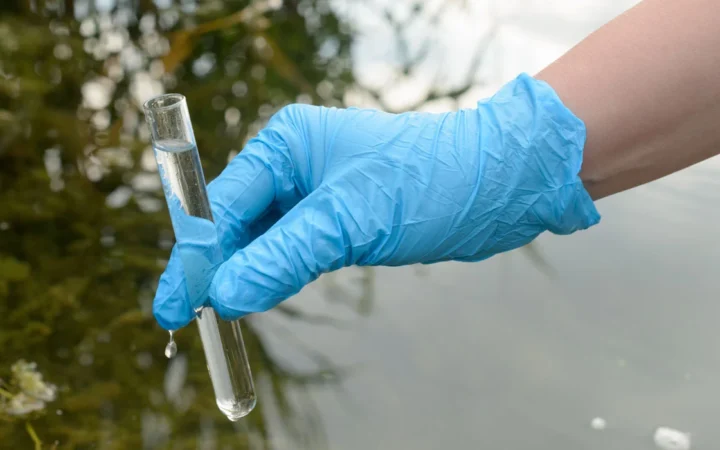
A basic water test can reveal important information about hardness, pH, iron, sulfur, and other characteristics. Once you know the problem, choosing a treatment system becomes much more straightforward.
When Hard Water Becomes a Household Problem
Hard water is one of the most common water-quality issues. It contains elevated levels of minerals such as calcium and magnesium. These minerals aren’t usually something people notice when drinking a glass of water, but they can make themselves known elsewhere around the house.
You may see cloudy spots on faucets, mineral deposits around fixtures, or a crusty layer inside appliances that use hot water. Soap and shampoo may also struggle to lather properly. Over time, mineral scale can build up inside pipes and water heaters.
For households dealing with these issues, water softeners can make a noticeable difference. These systems are designed primarily to reduce hardness minerals, helping minimize scale and making water feel different on the skin. They can also help protect plumbing fixtures and appliances from ongoing mineral buildup.
Still, a softener isn’t a universal filter. It doesn’t solve every possible water-quality problem, which is why testing matters.
Cleaner Drinking Water at the Tap
Whole-home treatment and drinking-water treatment aren’t necessarily the same thing. You might have water that’s suitable for bathing and cleaning but still want additional treatment for the water you drink and cook with.
This is where reverse osmosis systems are often considered. Reverse osmosis, commonly called RO, pushes water through a specialized membrane designed to reduce a wide range of dissolved substances. Depending on the system and its configuration, RO treatment can reduce certain salts, minerals, metals, and other unwanted compounds.
Many people appreciate RO systems because they provide an additional level of treatment right where drinking water is used most. They’re commonly installed at a kitchen sink, although larger configurations are available.
One thing worth remembering: reverse osmosis creates treated water at a slower rate than a simple faucet filter, and the system requires regular filter and membrane maintenance. It’s not “install it and forget it” equipment.
What About Iron and That Rotten-Egg Smell?
Well water can bring a different collection of headaches. Iron may leave orange or reddish stains in sinks, toilets, and tubs. It can also give water a metallic taste. Then there’s sulfur, which is famous for that unpleasant rotten-egg smell.
These problems can make perfectly usable water feel, well, not very usable.
Iron & sulfur filters are specifically designed to address certain forms of iron and sulfur-related water problems. Depending on the chemistry of the water, treatment may involve oxidation, filtration, aeration, or a combination of technologies.
The important detail is that iron and sulfur aren’t always present in the same form. Dissolved iron, for example, can behave differently from visible iron particles. That’s another reason a proper water analysis is more useful than guessing based on appearance alone.
Choosing Between Whole-Home and Point-of-Use Treatment
One of the biggest decisions homeowners face is whether to treat all the water entering the house or focus on specific taps.
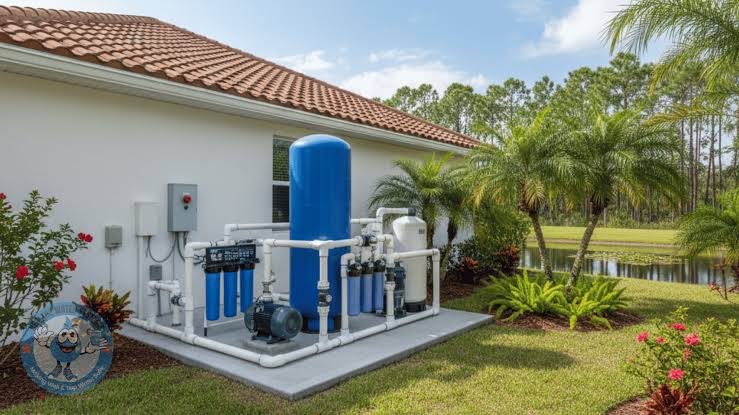
Whole-home systems treat water at the point where it enters the property. This can make sense when the problem affects bathing, laundry, plumbing, and appliances—not just drinking water.
Point-of-use systems, on the other hand, target water at a particular location. An under-sink drinking-water system is a common example.
Think about how the problem actually affects your household. If you’re mainly concerned about drinking water, treating the kitchen tap may be enough. If hard water is leaving scale throughout the house, a whole-home approach may make much more sense.
Don’t Ignore Maintenance
Even a high-quality water treatment system needs attention. Filters become saturated, membranes eventually need replacement, and tanks or other components may require servicing.
Skipping maintenance can reduce performance and, in some cases, create new water-quality concerns. A system that worked beautifully two years ago might not perform the same way if its filters haven’t been changed.
Keep a simple maintenance schedule. Write down installation dates, filter changes, and service visits. It sounds boring, but it saves headaches later.
Also, don’t assume the biggest or most expensive system is automatically the best. Oversized equipment can cost more upfront and may require unnecessary maintenance. Good treatment is about matching the technology to the actual water problem.
A Smarter Way to Improve Home Water
There’s no single “best” water treatment system for every household. Hard water calls for a different approach than iron staining. Drinking-water concerns may require different treatment from whole-home plumbing protection.
Start with testing. Look at the symptoms you’re seeing, understand what the water contains, and then choose technology based on those findings. If you’re dealing with complicated well-water chemistry or several problems at once, professional guidance can be especially helpful.
Clean, better-tasting water isn’t just about buying another piece of equipment. It’s about understanding what your household actually needs. Once you get that part right, the rest becomes much less confusing—and your water, plumbing, and appliances can all benefit from the decision.