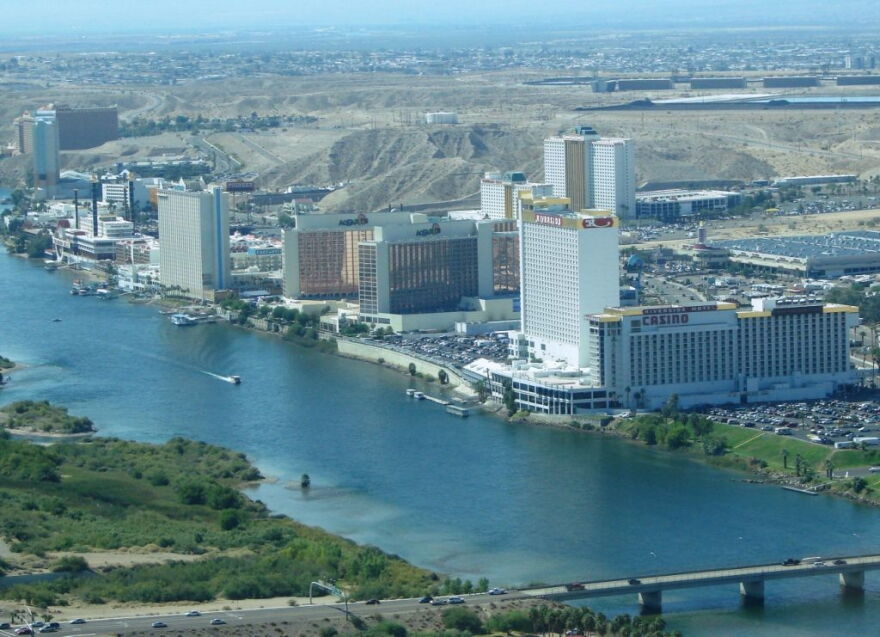
Living in the desert has its perks. There are wide-open skies, beautiful sunsets, quiet desert roads, and plenty of sunshine throughout the year. But when summer arrives along the Colorado River, that sunshine can become a serious challenge. Temperatures climb, outdoor surfaces heat up quickly, and a home without dependable air conditioning can become uncomfortable in a surprisingly short time.
For residents and business owners in this part of the Southwest, air conditioning isn’t simply a luxury. It’s an important part of everyday life. Whether you’re relaxing at home after work, welcoming customers into a shop, or preparing a rental property for new guests, a reliable cooling system makes a noticeable difference.
The trouble is that desert conditions place unusual demands on cooling equipment. Long operating hours, blowing dust, high outdoor temperatures, and limited shade can all affect performance. Fortunately, a few sensible habits and timely maintenance can help keep your air conditioner working when you need it most.
Why Desert Heat Puts Extra Pressure on Air Conditioners
Air conditioners are designed to move heat from inside a building to the outdoors. In extremely hot weather, that job becomes more demanding because the outdoor unit must release heat into already-hot air.
As a result, an AC system may run for longer periods during a summer afternoon than it would on a mild day. That’s not necessarily a sign of trouble. However, if the system struggles to maintain a reasonable indoor temperature, blows warm air, or repeatedly shuts down, it’s worth investigating.
Dust is another concern. Desert winds can carry fine particles that collect around outdoor equipment and contribute to dirty coils or restricted airflow. Indoor filters can become clogged, too, particularly in homes with pets, frequent door openings, or ongoing renovation work.
Regularly checking the filter and keeping the area around the outdoor condenser clear are simple ways to reduce unnecessary strain. Just remember to turn the equipment off before cleaning around it and follow the manufacturer’s instructions.
Keeping Homes Comfortable in Bullhead City
In Bullhead City, summer cooling needs can be especially demanding, with prolonged hot weather making dependable indoor temperatures important for much of the season. Homeowners often notice that their air conditioners work hardest during the afternoon, when sunlight and high outdoor temperatures combine to increase the heat entering the house.
One useful starting point is to look at where that heat comes from. Windows facing direct sunlight can allow substantial heat into a room, even when the AC is running. Closing blinds or curtains during the hottest hours may help reduce the cooling load.
Check weatherstripping around exterior doors and inspect window seals for obvious gaps. Small air leaks can allow hot outdoor air to enter while cooled indoor air escapes. Improving these areas won’t solve every cooling problem, but it can help the system maintain comfort more efficiently.
Thermostat settings matter, too. Choose a comfortable temperature rather than turning the setting dramatically lower in the hope that the room will cool faster. An air conditioner doesn’t usually cool more quickly simply because the thermostat is set to an unusually low temperature.
If your unit runs almost constantly but certain rooms remain warm, consider having the airflow and equipment capacity assessed. The problem could involve duct leakage, poor air distribution, insulation, or an improperly sized system.
Air Conditioning Challenges Around Needles
The desert environment surrounding Needles presents many of the same practical challenges, particularly during extended periods of extreme heat. When an air conditioner operates for hours each day, even a relatively minor maintenance issue can become more noticeable.
A dirty air filter is one of the easiest problems to overlook. People often remember to check it only after cooling performance declines, but regular inspection is a better approach. How frequently the filter needs attention depends on its type, household conditions, and the manufacturer’s guidance.
Outdoor equipment deserves a quick visual inspection from time to time. Make sure vegetation, loose debris, and stored items aren’t blocking the condenser’s airflow. Avoid bending delicate fins or opening electrical compartments while attempting to clean the unit.
It’s also worth paying attention to how the system sounds. A sudden rattling noise might suggest a loose component, while unusual buzzing or grinding could indicate a mechanical or electrical issue. A burning smell or repeated breaker trips should never be ignored.
When these warning signs appear, switch off the system if it’s safe and arrange professional assistance. Continuing to operate faulty equipment may worsen the damage or create a safety risk.
For older homes, another factor is insulation. If the roof and walls allow substantial heat into the building, even a well-maintained AC may struggle to keep indoor spaces comfortable. Addressing the building itself can sometimes make as much difference as upgrading the cooling equipment.
Supporting Businesses and Rental Properties in Laughlin
In Laughlin, dependable air conditioning can be important for more than residential comfort. Businesses, offices, hospitality properties, and holiday rentals may need to maintain pleasant indoor temperatures throughout the day.
A cooling problem in a private home is frustrating. In a commercial property, it can also affect staff, customers, guests, and daily operations. That’s why preventive maintenance is often more practical than waiting for a breakdown during the busiest part of summer.
Business owners should consider how their buildings are used. Doors that open frequently, large windows, crowded rooms, and heat-producing equipment can increase cooling demand. A system that performs well during quiet hours may struggle when a space becomes busy.
For rental properties, checking the air conditioner between guest stays or before the summer season can help identify problems before someone arrives. Confirm that the thermostat operates correctly, filters are in suitable condition, and the unit cools as expected.
Commercial systems may also need more structured maintenance than residential equipment. Depending on the installation, servicing can include inspecting multiple indoor units, checking controls, assessing airflow, and reviewing system performance.
Keeping records of inspections and repairs makes it easier to identify recurring faults. If the same component fails repeatedly or a system requires frequent emergency visits, it may be time to evaluate whether a more substantial repair or replacement is justified.
When Should You Call an Air Conditioning Professional?
Some basic checks are safe to perform yourself, but internal repairs are another matter. Refrigerant handling, electrical troubleshooting, and compressor-related work require appropriate training and equipment.
Call a qualified professional if your AC consistently blows warm air, develops ice on its coils or refrigerant lines, leaks water indoors, or makes unfamiliar noises. Reduced airflow and unusually high energy bills may also justify an inspection, particularly when they occur alongside other symptoms.
Before booking a visit, make a note of what you’ve observed. Does the problem happen only in the afternoon? Does the unit cool initially and then stop? Has the electricity bill increased despite similar usage? These details can help a technician narrow down possible causes.
Ask for a clear explanation of the diagnosis and an estimate before approving expensive work. A refrigerant problem, for example, may require locating and addressing a leak rather than simply adding more refrigerant.
If replacement is being considered, don’t choose a new unit based on cooling capacity alone. Proper sizing, installation quality, insulation, and airflow all influence how well the system performs.
A Little Preparation Goes a Long Way
Desert living rewards preparation. Before temperatures reach their summer peak, inspect your air conditioner, replace or clean the filter as recommended, clear debris from around the outdoor unit, and arrange professional maintenance if needed.
During the hottest months, watch for changes in performance rather than assuming every issue is caused by the weather. Some long operating cycles are normal, but persistent cooling problems deserve attention.
Whether you live in a family home, manage a rental, or operate a local business, reliable air conditioning helps make desert life more comfortable. With sensible maintenance, thoughtful energy use, and timely repairs, you can reduce avoidable problems and help your cooling system handle the heat.
After all, the desert has plenty to offer, from peaceful mornings to spectacular evening skies. You should be able to enjoy those things without spending every afternoon worrying about whether your air conditioner will make it through another scorching day.