Water is something most people use without giving it much thought. We turn on the tap, fill a glass, wash vegetables, make coffee, and move on with the day. But when water develops an unusual smell, leaves orange stains, or raises concerns about long-term safety, it becomes impossible to ignore. These issues can be caused by naturally occurring minerals, industrial contaminants, or a combination of both.
Among the concerns homeowners and businesses increasingly encounter are pfas and iron, sulfur-related odors, and broader water quality concerns. While these problems are different in origin, they can all affect how water looks, smells, tastes, and performs inside a property. Understanding the differences is the first step toward choosing the right testing and treatment approach.
Why Water Problems Are Often More Complicated Than They Look
Not every water issue is visible. Some contaminants change the appearance or smell of water, while others may be present without creating any obvious warning signs. That’s why relying only on taste, odor, or color can be misleading.
For example, rusty-looking water may suggest iron, but the source could involve old plumbing, changes in water pressure, or sediment disturbance. A rotten-egg smell may point toward hydrogen sulfide, yet similar odors can sometimes come from drains or plumbing systems rather than the water itself.
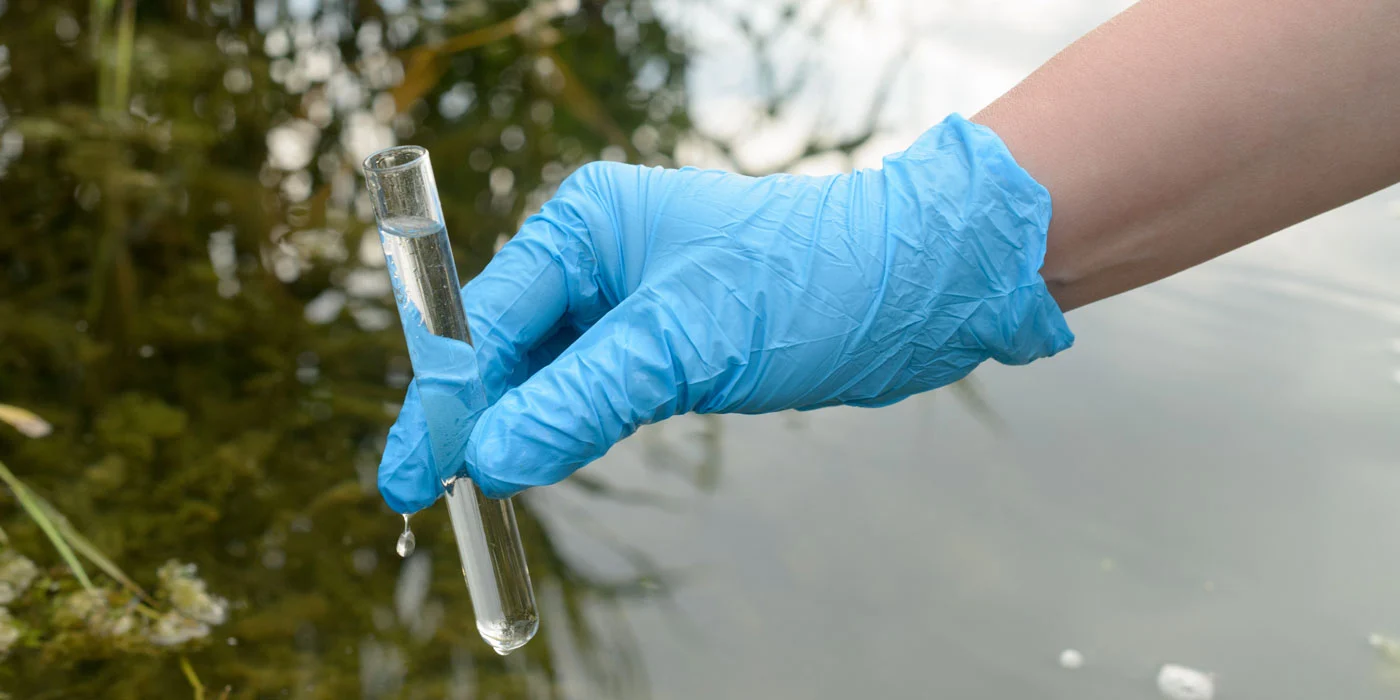
This is why professional water testing matters. A test can identify what is actually present instead of treating the symptom based on guesswork. It also helps determine whether the issue is aesthetic, related to plumbing performance, or potentially connected to health concerns.
PFAS and Iron: Two Very Different Water Concerns
PFAS, or per- and polyfluoroalkyl substances, are a group of manufactured chemicals used in products such as nonstick cookware, stain-resistant fabrics, firefighting foams, and certain industrial materials. They are often called “forever chemicals” because many types break down very slowly in the environment.
Iron, on the other hand, is a naturally occurring mineral commonly found in groundwater. In many cases, iron is not considered a serious health threat at the levels typically found in private wells, but it can create frustrating household problems. These may include metallic taste, orange or brown stains, cloudy water, and buildup in fixtures and appliances.
The treatment methods for pfas and iron are not automatically the same. Iron may be managed through oxidation, filtration, softening, or specialized iron-removal systems. PFAS reduction generally requires carefully selected treatment technologies, such as activated carbon or certain membrane systems, depending on the specific compounds and water conditions.
Trying to solve both problems with a basic filter may not produce reliable results. The correct system depends on laboratory results, flow rate, water usage, and the contaminant levels involved.
The Source and Impact of Sulfur Compounds
One of the most recognizable water problems is the unpleasant smell often compared to rotten eggs. This odor is commonly associated with hydrogen sulfide, which may form when naturally occurring sulfur compounds interact with bacteria in groundwater, plumbing, or water heaters.
In some homes, the smell is strongest when hot water is running. This can happen because the water heater’s anode rod reacts with sulfate in the water, creating hydrogen sulfide gas. In other cases, the odor may be present in both hot and cold water, suggesting a different source.
The presence of sulfur compounds can affect more than comfort. Sulfur-related odors may make drinking water unpleasant, discourage people from using certain fixtures, and contribute to corrosion or dark staining under particular conditions. In severe cases, the smell can spread throughout a building, making the water feel unusable even when other quality indicators appear normal.
Treatment depends on the cause and concentration. Possible solutions include activated carbon filtration, aeration, oxidation followed by filtration, chlorination, or specialized media. A water professional can determine which method is appropriate after testing the water and inspecting the plumbing system.
Common Water Quality Challenges for Homes and Businesses
Every property has its own water conditions. A rural home relying on a private well may face mineral and bacterial concerns that differ from those of a city property connected to a municipal supply. Commercial buildings, restaurants, healthcare facilities, and industrial operations may have even more complex needs because water is used in equipment, cleaning, production, or food preparation.
Some common water quality challenges include:
- Hard water and scale buildup
- Iron and manganese staining
- Unpleasant sulfur odors
- Sediment and cloudiness
- Bacterial contamination
- PFAS and other emerging contaminants
- Chlorine taste or odor
- Low pH and corrosive water
- High levels of dissolved solids
- Inconsistent water pressure caused by buildup or filtration issues
These problems can overlap. For instance, hard water may reduce the efficiency of a water heater, while iron deposits can clog filters and fixtures. Sulfur odors may be connected to groundwater chemistry or water-heater reactions. Treating one issue without understanding the others can lead to wasted money and disappointing results.
Why Water Testing Should Come Before Treatment
The most important step in addressing a water concern is testing. A professional analysis can reveal the actual chemical and biological characteristics of the water, helping property owners avoid unnecessary equipment or ineffective solutions.
A basic test may examine pH, hardness, iron, manganese, total dissolved solids, and bacteria. Depending on the location and suspected risks, additional testing may be needed for PFAS, nitrates, arsenic, lead, volatile organic compounds, or other contaminants.
Testing is especially important for private well owners because private wells are generally not monitored in the same way as public water systems. Changes in nearby land use, flooding, agricultural activity, industrial operations, or groundwater conditions can affect well water over time.
It’s also wise to test after major plumbing work, flooding, changes in taste or odor, or unexplained staining. Water that was safe and pleasant a few years ago may not have the same characteristics today.
Choosing the Right Water Treatment System
Once test results are available, the next step is selecting equipment based on the actual problem. There is no universal filter that removes every contaminant effectively. A system designed for sediment may do little against dissolved chemicals, while a softener is not a complete solution for bacteria or PFAS.
Depending on the results, a property may need one or more of the following:
- Sediment filtration for sand, dirt, and suspended particles
- Iron and manganese removal systems
- Water softeners for hardness minerals
- Activated carbon filters for certain chemicals, tastes, and odors
- Reverse osmosis for targeted drinking-water treatment
- Ultraviolet systems for microbial control
- Aeration or oxidation systems for sulfur and iron
- Whole-house filtration for broader water improvement
Maintenance is just as important as installation. Filters need replacement, tanks may require servicing, and treatment media can lose effectiveness over time. A neglected system may eventually become less useful or even create additional water problems.
A Practical Approach to Better Water
Water treatment doesn’t have to feel overwhelming. The process becomes much easier when it follows a sensible order: identify the concern, test the water, understand the results, select suitable equipment, and maintain the system properly.
It’s also important to remember that not every unpleasant water issue means the water is dangerous, and not every invisible contaminant is harmless. Appearance and safety are separate questions. Good treatment decisions come from reliable information rather than assumptions.
Whether the concern involves chemical contaminants, iron staining, sulfur odors, or several issues at once, professional guidance can help protect plumbing, improve everyday comfort, and support safer water use. Clean, dependable water is not simply a convenience. It is part of a healthy property, and understanding what is in your water is the best place to begin.