There’s something wonderfully ordinary about a glass of water. You pour it, take a sip, and move on with your day. We rarely stop to think about where it came from or what happened to it before it reached the kitchen tap. But then, every so often, the water tastes a little strange. Maybe it has a chlorine-like smell, leaves a metallic aftertaste, or simply doesn’t taste as refreshing as it should.
That’s usually when people start looking into water treatment. And honestly, it can get confusing fast. Filters, membranes, carbon cartridges, mineral levels, purification systems — suddenly a simple glass of water sounds like a chemistry lesson.
The good news is that you don’t need to become a water-quality expert. You just need to understand a few basics and choose treatment based on the actual characteristics of your water.
Clear Water Isn’t Always Problem-Free
The first thing worth knowing is that appearance doesn’t tell the whole story. Water can look perfectly clear while still containing dissolved substances that affect taste, scale, or overall quality.
On the other hand, a temporary change in appearance doesn’t necessarily mean something dangerous is present. Sediment can sometimes enter plumbing after maintenance or changes in water flow, for example.
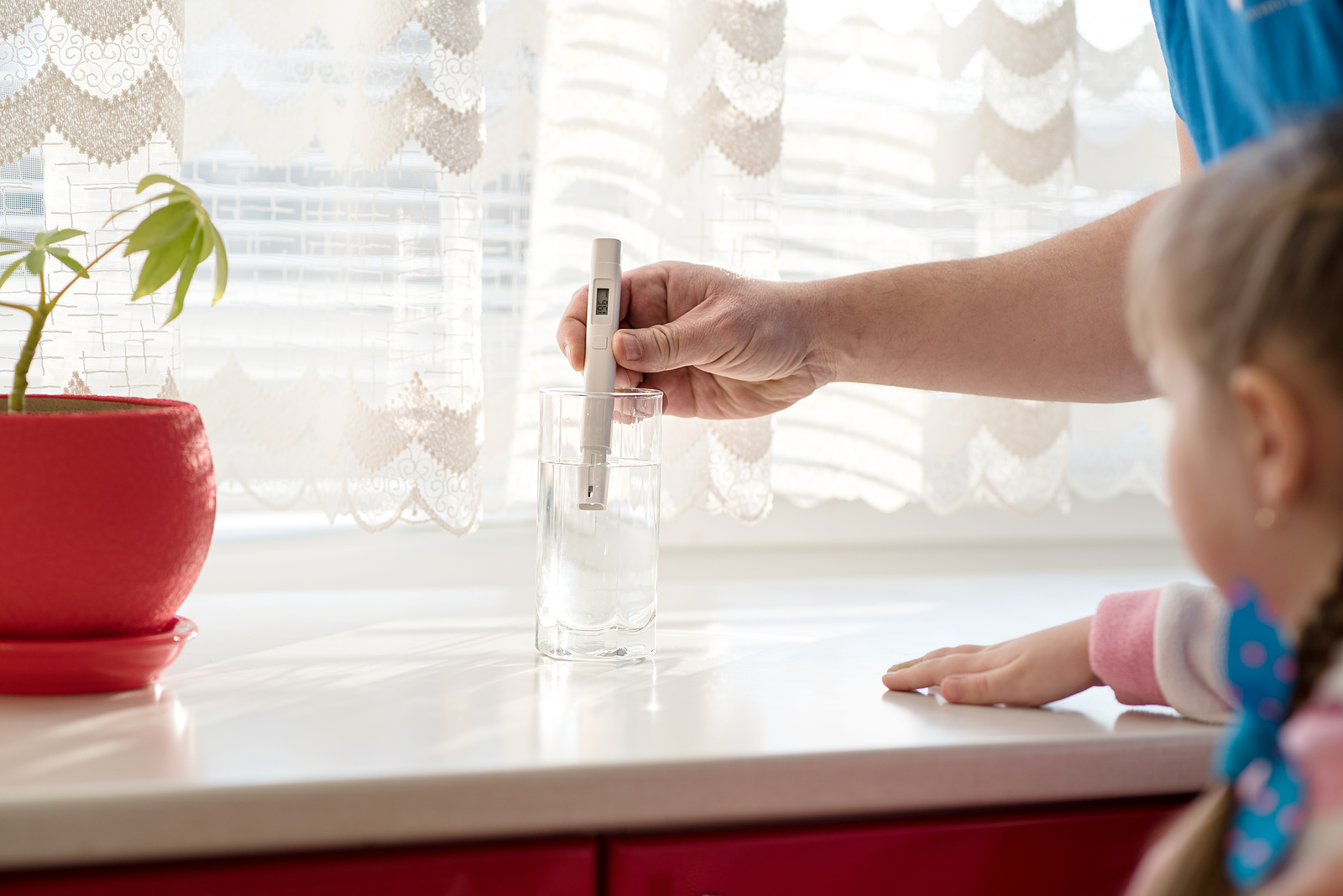
That’s why testing is such a useful starting point. Instead of guessing what might be happening, a water test can provide information about hardness, pH, mineral content, and other characteristics.
For homeowners, this can prevent an all-too-common mistake: buying a treatment system first and figuring out what it does later.
What Makes Water Taste Better?
Taste is subjective, but certain characteristics commonly affect how drinking water tastes. Chlorine, minerals, sulfur compounds, and other substances can give water a noticeable flavor or odor.
Activated carbon filters are widely used to improve taste and reduce chlorine and certain organic compounds. They’re often a relatively straightforward option for households that mainly want a more pleasant drinking experience.
Of course, treatment needs to match the problem. A carbon filter isn’t designed to remove everything, and assuming one filter can handle every possible water-quality concern can lead to disappointment.
For many families, the goal is simply clean, clear, better-tasting drinking water that they actually enjoy reaching for throughout the day.
Understanding Dissolved Solids
The phrase “dissolved solids” can sound more alarming than it really is. It generally refers to substances dissolved in water, including minerals and salts.
Calcium and magnesium, for example, contribute to water hardness. Other dissolved minerals may influence taste, conductivity, or the way water behaves in plumbing and appliances.
A measurement often called total dissolved solids, or TDS, can provide a general indication of the amount of dissolved material in water. But TDS alone doesn’t tell you whether water is safe or unsafe. Two water samples can have similar TDS readings while containing very different substances.
That distinction matters. A single number shouldn’t be treated as a complete water-quality report.
If a homeowner is concerned about a particular substance, more specific testing is often necessary.
When Reverse Osmosis Becomes an Option
Reverse osmosis, commonly shortened to RO, is a treatment technology that uses pressure to push water through a semipermeable membrane. The membrane can reduce many dissolved substances from the treated water.
Because of this, RO systems are often installed at the point of use, particularly for drinking and cooking water. They’re useful when homeowners want a higher level of treatment than a basic carbon filter provides.
However, RO systems aren’t maintenance-free. Filters and membranes need to be replaced according to the system’s requirements, and the system also produces a concentrated wastewater stream as part of the treatment process.
That doesn’t make RO a bad choice. It simply means it should be selected because it solves a specific water-quality need, not because “more purification” always sounds better.
Looking Beyond Taste and Appearance
Taste and clarity are important, but they’re only part of the picture. Depending on the water source, homeowners may also want to understand whether specific harmful contaminants are present.
Potential concerns vary significantly between municipal water and private wells. Public water systems are generally treated and monitored under applicable regulations, while private well owners have greater responsibility for testing their own water.
For well owners, periodic testing can be especially important after flooding, repairs, changes in taste or odor, or other events that could affect the water source.
The important point is to test for the contaminants relevant to your location and water source rather than relying on a generic “one test checks everything” approach.
Hard Water Deserves Attention Too
Sometimes the biggest water complaint isn’t about drinking at all. It’s about the bathroom.
Hard water can leave mineral deposits on faucets, shower doors, and dishes. Over time, scale can also accumulate inside water heaters and plumbing components.
If testing confirms high hardness, a water softener may be appropriate. Softening and filtration solve different problems, so they shouldn’t be treated as interchangeable technologies.
A household might use a softener for the whole home and a separate drinking-water filter at the kitchen sink. That’s fairly common because different water uses have different priorities.
Don’t Forget About Maintenance
Whatever system you choose, maintenance matters.
Filters have service lives. Membranes need replacement. Softener components need attention. If maintenance is ignored, water quality and system performance can gradually decline.
It’s a good idea to write down installation dates and replacement schedules. Keep the model numbers of cartridges or membranes somewhere easy to find, too. When the time comes to replace something, you won’t have to pull the whole system apart just to figure out what you need.
And if the water suddenly tastes or smells different, don’t automatically assume the filter has failed. Changes in the source water or household plumbing could also be responsible.
Choosing the Right Treatment Isn’t About Buying More
There is a tendency to think that a more complicated system must produce better water. That’s not necessarily true.
The best setup is the one that addresses the actual issue without creating unnecessary cost or maintenance. A household with mild chlorine taste may need a carbon filter. Another property with significant hardness may benefit from softening. Someone dealing with specific dissolved contaminants may need a more advanced treatment approach.
The starting point should always be the water itself.
Test it. Understand the results. Decide what needs to change. Then choose the technology that makes sense.
A Better Glass of Water Starts With Good Information
Water treatment doesn’t have to be mysterious. Once you understand the difference between filtration, softening, and more advanced purification, many decisions become easier.
Perhaps the biggest lesson is that there isn’t one perfect system for every home. Water sources differ, plumbing differs, and household expectations differ. What works beautifully in one property may be unnecessary in another.
The goal is simple: water that suits the way you live and gives you confidence when you turn on the tap.
And sometimes, after all the testing and equipment choices, the reward is almost laughably ordinary. You fill a glass, take a sip, and think, “Yep. That’s good water.” Then you get on with your day.
That quiet improvement is often the whole point.