Water is something we use without thinking much about it. We fill a glass, make coffee, wash vegetables, and get on with the day. But when the water smells unusual, leaves stains around the sink, or carries visible particles, it becomes harder to ignore what might be coming through the tap. These signs don’t always mean the water is unsafe, but they can be a good reason to take a closer look at its quality.
The challenge is that not every water problem has the same cause. Some homes deal with sediment from aging pipes or private wells, while others struggle with chlorine tastes, organic compounds, or concerns about microorganisms. Choosing an effective filtration system starts with understanding those differences. Once you know what needs to be removed, it’s much easier to find a solution that suits your home, water supply, and budget.
Start by Understanding Your Water
Before buying filtration equipment, find out what’s actually in your water. Municipal water suppliers generally treat water to meet applicable drinking water standards, but its taste and characteristics can still vary. Older plumbing, household pipes, and local water conditions may influence what comes out of the tap.
Private wells require a little more attention because their quality can change with rainfall, seasonal conditions, nearby land use, and other environmental factors. Clear water isn’t necessarily free from contaminants, just as cloudy water doesn’t automatically indicate a serious health risk.
A water test can help identify issues such as hardness, iron, manganese, acidity, and certain contaminants. The right test depends on your water source and the concerns you’re trying to address. If you’re using a private well, follow local public health guidance about which tests are recommended and how frequently they should be repeated.
Testing first is usually more useful than purchasing equipment based on a neighbor’s recommendation. Your neighbor might have a similar house but a completely different water supply.
Dealing With Dirt, Rust, and Suspended Particles
Sometimes, the problem is easy to see. Water may appear cloudy after maintenance on a municipal water main, or small particles might collect in a faucet aerator. In homes supplied by wells, sand, silt, and other suspended material can occasionally enter the plumbing system.
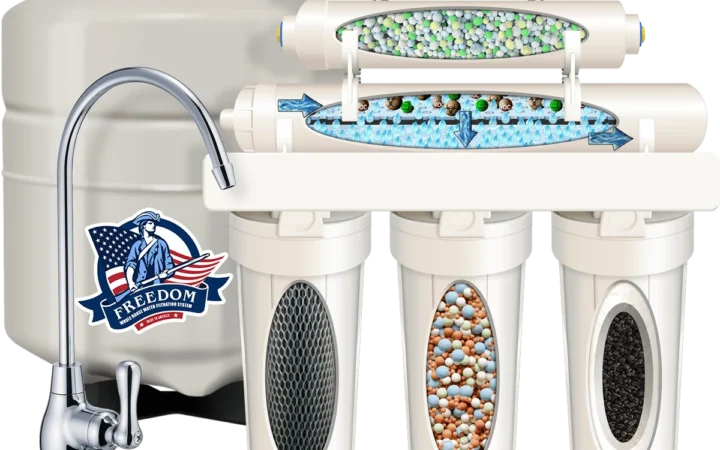
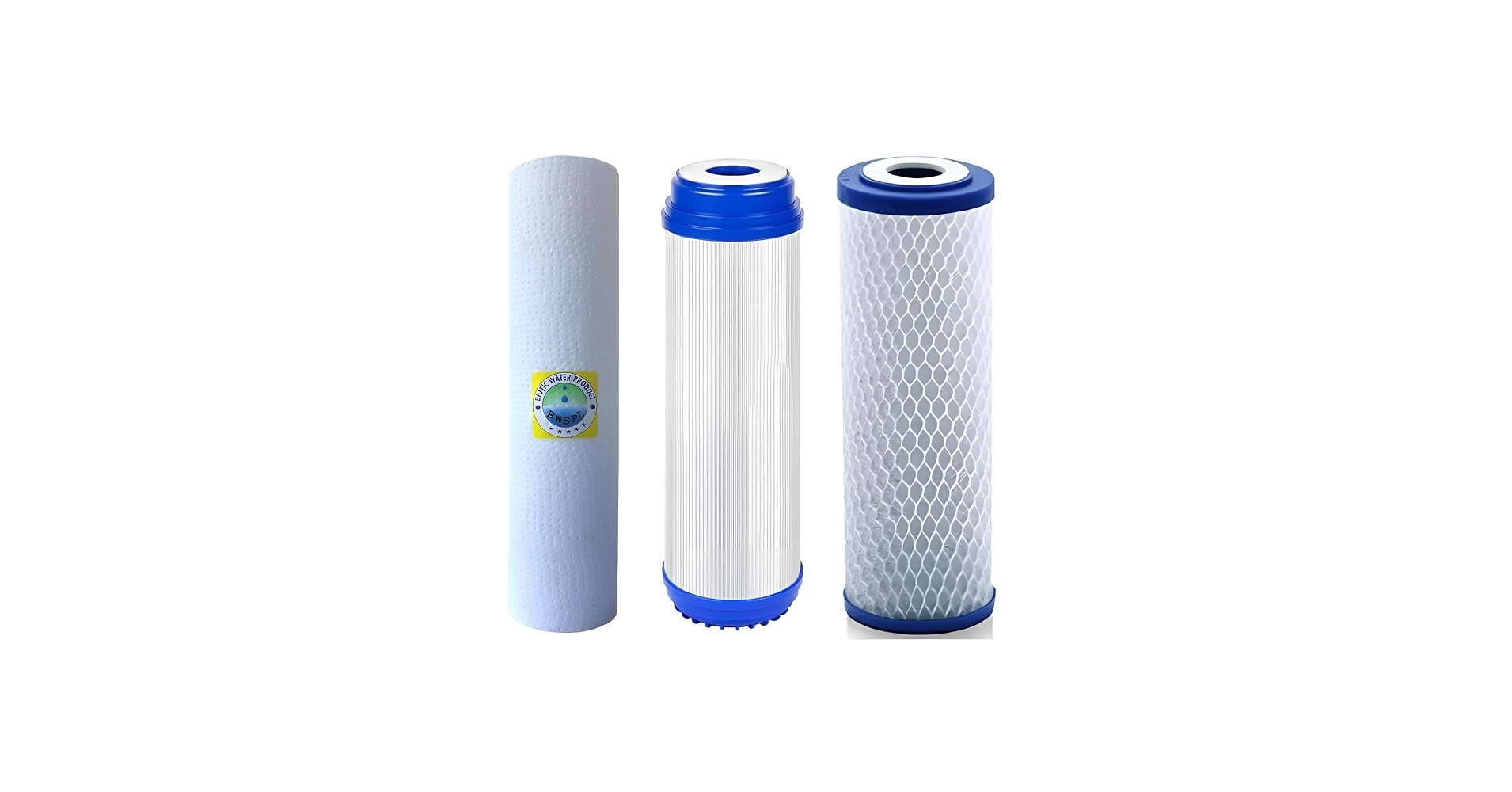
In these situations, sediment filters can help capture physical particles before they reach downstream equipment or household fixtures. Depending on the design and filtration rating, they may reduce sand, rust flakes, and other suspended solids. They can also help protect appliances and more sensitive treatment components from excessive particulate buildup.
However, sediment filtration has its limits. It doesn’t automatically remove dissolved chemicals, salts, or microorganisms. A filter that catches visible dirt isn’t necessarily a complete drinking water treatment solution.
Filter selection matters, too. A finer filter can capture smaller particles, but it may clog more quickly when the incoming water contains a high sediment load. A prefilter with a suitable rating may be more practical for some systems, particularly when the water supply varies throughout the year.
Pay attention to pressure changes after installation. A filter that becomes clogged can reduce water flow, which is often a sign that cleaning or replacement is needed.
Improving Taste and Reducing Unwanted Odors
Water can meet basic safety requirements and still have a taste that people dislike. Chlorine, which is commonly used in municipal water disinfection, can leave a noticeable swimming-pool-like smell or flavor. Certain organic compounds can also affect taste and odor.
Activated carbon is often used to improve these characteristics. It works by adsorbing certain substances onto its porous surface, rather than simply trapping every contaminant in the same way a basic particle filter does. The effectiveness depends on the carbon type, contact time, system design, and the particular substance being treated.
For households that want to reduce certain tastes and odors across a larger portion of their plumbing, automatic carbon filters may be worth considering. These systems can be configured to treat water at a designated point, with automatic backwashing or other maintenance functions depending on the model. Backwashing can help clean the filter bed and maintain suitable operating conditions, though it doesn’t restore every type of exhausted carbon media indefinitely.
It’s important to check the manufacturer’s performance information instead of assuming all carbon filters do the same job. Some are designed mainly for chlorine reduction, while others have specific certifications or claims for particular substances. A filter should be selected according to the actual water concern, not just the word “carbon” on the product label.
Carbon filtration also isn’t a substitute for disinfection when microbial contamination is a concern. In those circumstances, a broader treatment plan may be necessary.
When Ultraviolet Treatment Makes Sense
Microorganisms present a different challenge from sediment and taste problems. Bacteria, viruses, and other pathogens can’t always be detected by looking at water or smelling it. If a water source has a microbial risk, treatment should be selected according to appropriate testing and public health recommendations.
Ultraviolet disinfection uses UV light to inactivate susceptible microorganisms by damaging their genetic material. When properly designed, installed, and maintained, these systems can provide an additional barrier against microbial contamination without adding a chemical disinfectant to the water.
For some homes using private wells, uv light systems may form part of a treatment setup when testing indicates that UV disinfection is appropriate. Their performance depends on factors such as UV dose, water flow, lamp condition, and water clarity. Suspended particles or cloudy water can interfere with treatment, which is why filtration or other pretreatment may be needed first.
UV systems also have important limitations. They generally don’t remove dissolved chemicals, heavy metals, salts, or sediment. They usually require electricity, and lamps or other components need maintenance according to the manufacturer’s instructions. A warning light, alarm, or power failure should never be ignored if the system is relied upon for microbial protection.
If a private well tests positive for harmful microorganisms, consult the local health department or a qualified water treatment professional about immediate precautions and corrective action. Installing a UV unit without addressing the underlying issue may not be enough.
Why Combining Treatment Methods Can Work Better
Many water concerns are best handled through a sequence of treatment steps rather than a single device. For example, sediment filtration may protect downstream equipment, while carbon treatment can improve taste and odor. UV disinfection may then provide microbial protection where appropriate.
The order and combination depend on the water test results. A household with hard water may need a softener, while water containing certain dissolved contaminants could require a specifically rated reverse osmosis system or another targeted technology. No single filter reliably addresses every possible problem.
Think of water treatment as matching tools to tasks. You wouldn’t use a coffee filter to remove every chemical from water, and you wouldn’t expect a UV lamp to remove sand. Each technology has a purpose, and understanding that purpose helps prevent wasted money and false confidence.
Maintenance Is Part of the System
Even a well-chosen filtration system needs care. Sediment cartridges may need frequent replacement when incoming water carries a lot of particles. Carbon media has a finite service life, while automatic backwashing systems require periodic checks to confirm that their controls and valves are working properly.
UV equipment needs particular attention to lamp replacement, cleaning, and alarm status. Follow the service schedule specified by the manufacturer rather than waiting for water quality or performance to noticeably change.
Keep records of filter replacements, servicing, and water tests. It may sound like extra paperwork, but these details make it easier to spot recurring problems and schedule maintenance before performance declines.
Make the Decision With Confidence
Good water treatment begins with a clear understanding of the problem. Test the water, compare treatment technologies, and choose equipment with performance claims that match your needs. Consider ongoing maintenance, replacement parts, water flow, and the space available for installation, not just the purchase price.
Cleaner-tasting water can make everyday routines more enjoyable, and properly selected treatment equipment can help manage specific water quality concerns. The key is to avoid guesswork. When the system matches the water, and maintenance becomes part of the routine, you’ll have a much better chance of getting dependable results for years to come.