Water is one of the few things we use every single day without giving it much thought. It’s there when we brew coffee before work, wash fresh vegetables for dinner, fill a child’s water bottle, or take a relaxing shower after a long day. Because it’s always available, we tend to assume it’s doing exactly what it should.
But water has its own story.
Its quality can change depending on where it comes from, the pipes it travels through, seasonal conditions, and even the age of your home’s plumbing. Sometimes those changes are obvious—a strange odor, cloudy appearance, or metallic taste. Other times, they’re completely invisible.
That’s why understanding your home’s water is one of the smartest things you can do. It replaces guesswork with knowledge and helps you make informed decisions instead of expensive assumptions.
Every Home Receives Different Water
People often assume that if they live in the same town, everyone has the same water quality. Surprisingly, that isn’t always true.
Municipal water passes through miles of underground infrastructure before reaching individual homes. Different plumbing materials, neighborhood distribution systems, and household pipes all influence the water that eventually flows from your tap.
Private wells create another layer of variation. Groundwater changes naturally over time depending on rainfall, local geology, nearby agriculture, and seasonal conditions.
Because every home is unique, water treatment should never be based on someone else’s experience alone.
Why Testing Comes Before Treatment
One of the most common mistakes homeowners make is purchasing filtration equipment before understanding what they’re trying to solve.
Maybe the water tastes unusual, leaves white residue, or smells slightly different after rain. Those clues are helpful, but they don’t tell the whole story.
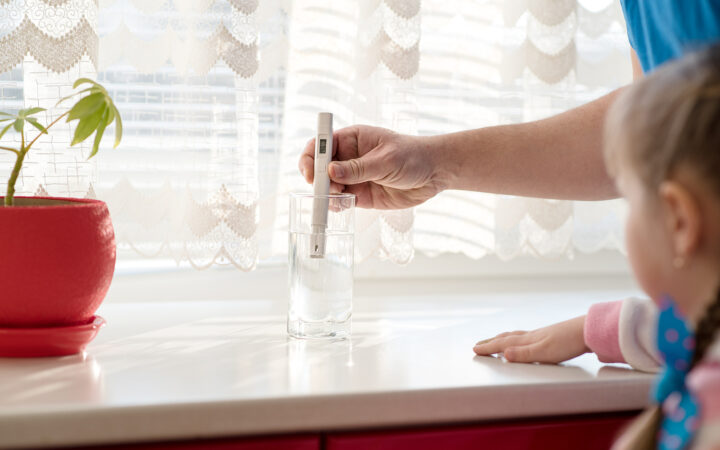
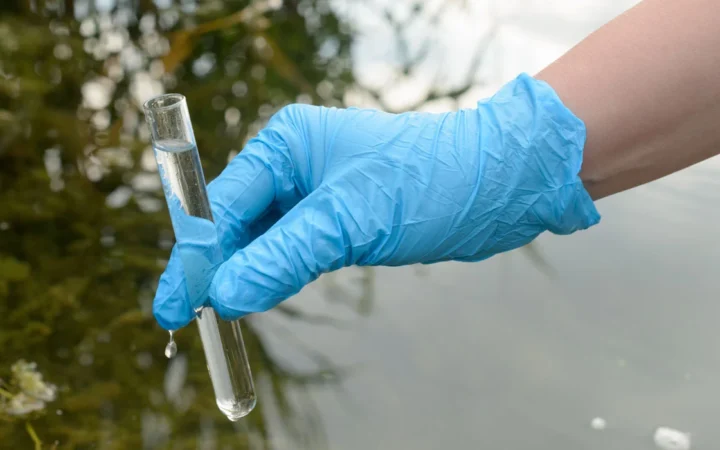
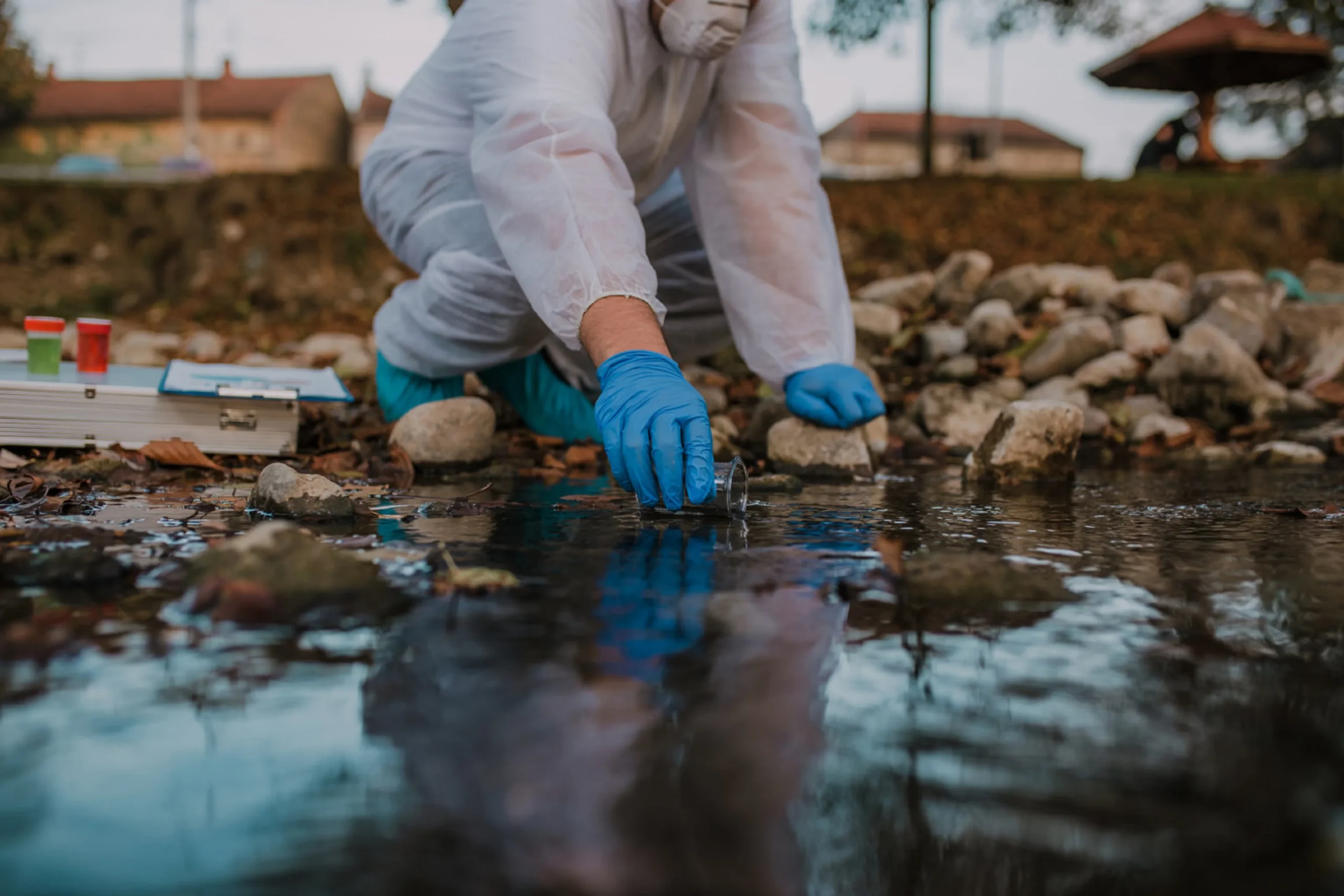
Professional water quality testing identifies the actual characteristics of your household water instead of relying on assumptions. Knowing whether you’re dealing with mineral hardness, chlorine, sediment, or other issues allows you to choose solutions that genuinely match your needs.
Testing first often saves both time and money in the long run.
What You Can’t See Still Matters
One of the interesting things about water is that appearances can be misleading.
Crystal-clear water may still contain minerals or substances you wouldn’t expect. Likewise, water with a slight color or odor isn’t automatically unsafe.
Depending on local conditions, testing may occasionally reveal harmful contaminants that cannot be detected by taste, smell, or appearance alone. While most water supplies meet safety standards, understanding your home’s specific water profile provides an extra level of confidence.
The goal isn’t to create unnecessary concern.
It’s simply to replace uncertainty with reliable information.
Better Water Improves Everyday Routines
Most homeowners initially focus on drinking water, but better water affects far more than what goes into a glass.
Coffee often tastes smoother. Tea brews with a cleaner flavor. Fruits and vegetables rinse more effectively, and cooking becomes just a little more enjoyable.
Around the home, cleaner water may reduce mineral spots on fixtures, improve soap performance, and help appliances operate more efficiently over time.
These aren’t dramatic overnight changes.
Instead, they’re subtle improvements that quietly become part of everyday life.
Why Well Owners Should Pay Extra Attention
Homes supplied by private wells offer independence, but they also come with additional responsibilities.
Unlike municipal systems, private wells aren’t continuously monitored by public utilities. That means homeowners play an important role in maintaining water quality.
Regular inspections help identify well water problems before they develop into larger concerns. Seasonal groundwater changes, heavy rainfall, aging well components, or naturally occurring minerals can all influence water conditions throughout the year.
Routine monitoring provides reassurance while helping families respond early if conditions change.
Understanding Test Results Doesn’t Have to Be Complicated
Many people worry they’ll receive a report filled with technical terms they won’t understand.
Fortunately, interpreting water test results is usually much simpler than it appears.
Professionals can explain what each measurement means, whether any action is recommended, and which treatment options—if any—make sense for your specific situation.
Not every test result requires expensive equipment or complicated solutions.
Sometimes small adjustments solve the problem completely.
Other times, the best news is discovering that your water already meets your household’s needs.
Choosing the Right Equipment
Today’s water treatment technology offers more choices than ever before.
Activated carbon filters improve taste and reduce chlorine. Water softeners help address mineral buildup. Reverse osmosis systems produce highly purified drinking water, while ultraviolet systems help manage biological concerns in certain situations.
The key isn’t choosing the most advanced system available.
It’s selecting equipment that addresses the actual conditions identified during testing.
That personalized approach almost always produces better long-term results.
Maintenance Protects Your Investment
Once treatment equipment has been installed, regular maintenance keeps everything performing efficiently.
Filters eventually reach capacity. Certain components require occasional inspection, and manufacturers recommend replacement schedules for good reason.
Fortunately, modern systems are designed to make maintenance straightforward.
Staying on schedule helps preserve water quality while extending equipment life, reducing unexpected repairs, and ensuring consistent performance for years to come.
Like changing the oil in your vehicle, a little preventive care delivers long-term benefits.
Better Water Supports a Better Home
Improving water quality isn’t just about technology.
It’s about everyday confidence.
Knowing your family can drink from the tap, prepare meals, wash produce, and enjoy fresh-tasting water without second-guessing the experience creates a level of comfort that’s difficult to measure.
Water quietly touches nearly every moment inside a home, from breakfast until bedtime.
Making those moments just a little better has lasting value.
Final Thoughts
Water is one of the most important resources in any household, yet it’s often overlooked until something changes. Whether your home relies on municipal service or a private well, taking the time to understand your water quality is one of the smartest investments you can make.
Testing provides clarity instead of assumptions, helping homeowners choose practical solutions based on facts rather than marketing claims or guesswork.
In the end, better water isn’t about chasing perfection. It’s about making thoughtful decisions that improve daily life, protect your home, and give your family greater confidence every time they turn on the tap.
Sometimes the simplest step—learning what’s in your water—is the one that makes the biggest difference.