Water is one of those things we rarely think about until something goes wrong. A dripping tap, an unexpectedly high water bill, a damp patch under the sink — suddenly, water becomes the most interesting thing in the house.
That’s beginning to change as connected technology moves into everyday water management. Instead of waiting for a leak or manually checking a meter, homeowners can now use sensors and connected devices to understand how water is being used in real time. It’s a small shift, but potentially a very useful one.
What Is Smart Water Monitoring?
Traditional water management is mostly reactive. You notice a problem, investigate it, and then try to fix it.
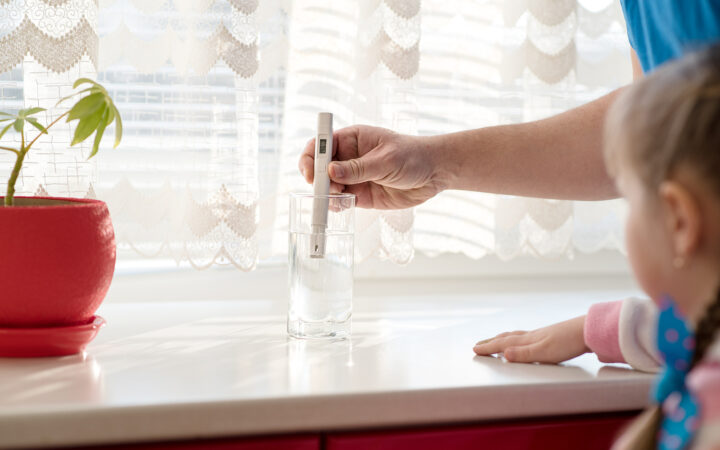
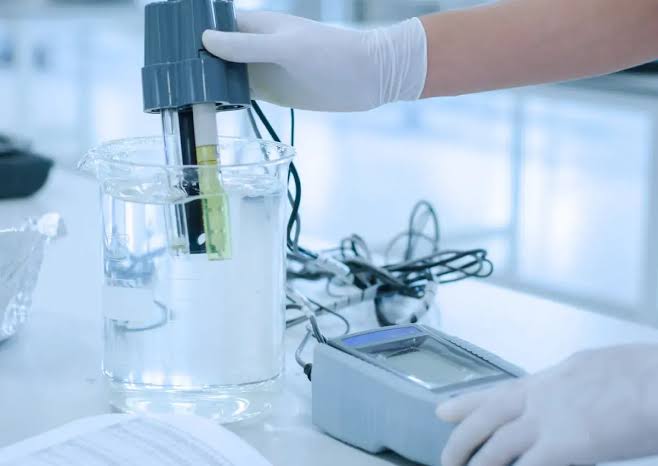
Modern smart water monitoring systems take a different approach. They use sensors, meters, software, and connected devices to collect information about water flow, pressure, temperature, and consumption.
Depending on the system, homeowners may be able to see how much water is being used throughout the day, identify unusual patterns, and receive alerts when something doesn’t look right.
It’s a bit like having a dashboard for your home’s plumbing. Instead of guessing what’s happening behind the walls, you get useful clues.
Why Real-Time Water Data Matters
A monthly water bill tells you how much water was used, but it doesn’t necessarily tell you when or why that water was consumed.
A smart monitoring device can provide much more detail. For example, it might show a sudden increase in water flow late at night when everyone is asleep. That could be completely innocent — perhaps an automated appliance is running — or it could indicate a hidden leak.
This information becomes especially valuable when unusual usage repeats over several days.
And sometimes the small things add up. A toilet that quietly runs for hours may waste far more water than a dripping faucet, even though the problem isn’t obvious from across the room.
How Leak Detection Has Improved
Leaks used to be discovered mostly through visible damage or an unusually large bill. By then, the problem might have been going on for weeks.
A modern leak detection solution can monitor water flow continuously and identify patterns associated with potential leaks. Some devices can even detect very small continuous flows that would be difficult for a homeowner to notice.
Certain systems can send an alert directly to a smartphone. Others may be connected to an automatic shutoff valve that can stop the water supply when a serious leak is detected.
That second feature can be especially useful when nobody is home.
A Smart Assistant for Everyday Water Questions
Connected technology isn’t only about alarms. Some newer platforms are designed to make water information easier for ordinary people to understand.
A smart water assistant can help turn raw usage data into something more practical. Instead of showing a homeowner a confusing stream of numbers, software can highlight unusual consumption, explain trends, or suggest areas where water use might be reduced.
Imagine getting a message that says your overnight water consumption is higher than normal, rather than simply receiving a technical notification about flow rate.
That’s a much more human way to use technology.
Saving Water Without Making Life Difficult
Water conservation often gets presented as a list of sacrifices: shorter showers, turning off the tap, watering plants less often. Those habits matter, but technology can make conservation less annoying.
When people can actually see where water is going, they can make better decisions.
Maybe an old appliance is using more water than expected. Perhaps outdoor irrigation is running longer than necessary. Or maybe the family simply uses significantly more water on certain days.
The goal isn’t to obsess over every liter. It’s to understand patterns and make sensible adjustments.
Smart Water Systems and Home Automation
The real potential becomes clearer when water monitoring connects with other smart-home devices.
A connected shutoff valve could respond to a serious leak alert. An irrigation controller could adjust watering based on weather information. A home automation platform might send notifications when unusual activity occurs while the house is empty.
Of course, compatibility matters. Not every smart device works with every ecosystem, and homeowners should check requirements before buying several separate devices.
Technology is most useful when it simplifies things, not when it creates another app to manage.
Privacy and Security Still Matter
Any connected device deserves a little scrutiny. Smart water equipment can collect information about household water usage, and that data may reveal patterns about when people are home or away.
Choose reputable manufacturers, keep device software updated, use strong passwords, and understand what information the platform collects.
It may seem like overkill for a water sensor, but connected-home security is still security.
Installation and Maintenance
Some monitoring devices are designed for relatively simple installation, while others require access to the main water line and professional plumbing work.
Before purchasing, check whether the system is compatible with your plumbing setup and whether installation requires a licensed professional.
Sensors and batteries may also need periodic attention. A monitoring device can’t protect you effectively if its battery has been dead for six months.
That sounds obvious, but it’s the kind of detail people forget after the excitement of installation wears off.
Is Smart Water Monitoring Worth It?
For some households, absolutely. Homes with older plumbing, previous leak problems, vacation properties, or unusually high water bills may benefit particularly from continuous monitoring.
Even newer homes can experience plumbing failures, though, so age isn’t the only factor.
The value ultimately comes down to what you want from the system. If your main goal is conservation, usage tracking may be enough. If you’re more concerned about property damage, leak detection and automatic shutoff features could be more important.
There isn’t one perfect setup for everyone.
Looking Ahead
Smart water technology is moving toward something more useful than simply displaying numbers. The future is likely to involve systems that recognize patterns, explain what those patterns mean, and help homeowners act before small problems become expensive ones.
That doesn’t mean technology will replace basic plumbing maintenance. Pipes still age, fittings still loosen, and toilets still occasionally behave badly.
But having better information changes the equation.
A home that can quietly monitor its water use, spot unusual behavior, and warn you about potential problems gives you something surprisingly valuable: time. Time to investigate a small issue before it becomes a flooded floor, and time to make better choices about a resource we all depend on.
Sometimes smart home technology isn’t about making life futuristic. It’s simply about making everyday problems a little easier to catch before they get big.