A reliable supply of hot water is one of those everyday comforts that rarely gets the appreciation it deserves. You turn on the shower, wash the dishes, or run a load of laundry without giving much thought to the equipment working behind the scenes.
Then something goes wrong. The water takes longer to warm up, strange noises start coming from the tank, or your morning shower becomes unexpectedly cold.
Water heaters are dependable appliances, but they’re not immune to wear, mineral deposits, and mechanical problems. Understanding how different systems operate and recognizing common causes of poor performance can help homeowners make better maintenance and replacement decisions.
Sometimes, knowing what to look for is enough to prevent a minor inconvenience from becoming an expensive repair.
Choosing Between Different Types of Water Heaters
Not every household has the same hot water requirements. Family size, local energy costs, available space, and existing utility connections all influence which system makes the most sense.
Modern gas, electric, and hybrid water heaters offer different advantages depending on household consumption, installation requirements, and energy efficiency goals.
Gas-powered systems use a burner to heat water and may provide relatively fast recovery times. They require appropriate gas connections, ventilation, and combustion safety measures.
Electric models typically use internal heating elements. They’re widely available and can be a practical option for properties without natural gas connections.
Hybrid water heaters combine heat pump technology with conventional electric heating elements. Instead of generating all their heat directly, they transfer heat from the surrounding air into the stored water, potentially reducing electricity consumption.
However, hybrid models require suitable installation conditions, including adequate airflow and ambient temperatures.
Before purchasing new equipment, consider both installation expenses and long-term operating costs. The cheapest appliance upfront might not represent the most economical choice over several years.
Why Electric Water Heaters Sometimes Stop Producing Hot Water
Picture yourself getting ready for work when the shower suddenly turns cold. Nobody else has used much hot water, yet the supply seems to have disappeared.
In electric systems, heating element failures are among the possible causes of insufficient hot water, inconsistent temperatures, and complete loss of heating performance.
Many traditional electric storage-tank systems contain upper and lower heating elements. If one stops working correctly, the appliance may struggle to maintain its usual hot water capacity.
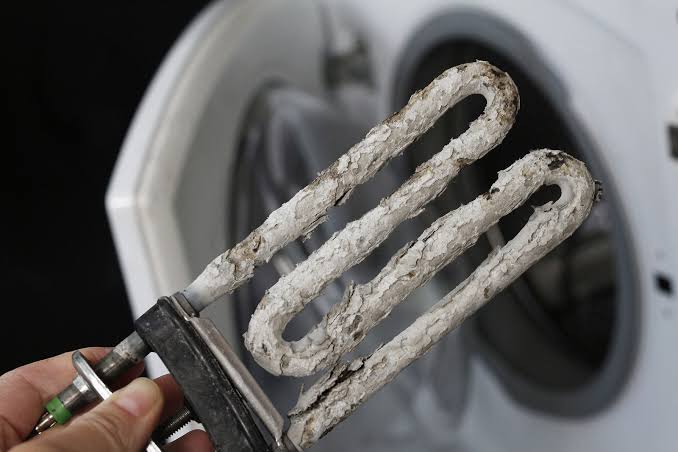
Several factors can contribute to component deterioration, including age, electrical issues, and excessive mineral accumulation around the elements.
However, similar symptoms may also result from malfunctioning thermostats or power supply problems.
That’s why replacing components without proper diagnosis isn’t always a sensible approach.
A qualified technician can examine the equipment, identify defective components, and determine whether repairs are worthwhile.
Electrical water heating equipment requires careful handling. Attempting internal repairs without appropriate training can expose homeowners to serious electrical hazards.
How Mineral Deposits Gradually Affect Water Heater Efficiency
If you’ve ever noticed chalky deposits around your faucets, you’re probably familiar with the effects of hard water. Unfortunately, similar mineral deposits can develop inside water heating equipment.
Over time, sediment buildup inside storage tanks may interfere with heat transfer, contribute to unusual noises, and increase maintenance requirements.
When water containing calcium and magnesium is heated, minerals can separate from the water and accumulate within the tank.
Homeowners might hear popping or rumbling sounds as water heats beneath accumulated deposits.
Although these noises don’t automatically indicate imminent equipment failure, they’re worth investigating.
Periodic tank flushing, where recommended by the manufacturer, can help manage accumulated material. Tankless units may also require appropriate descaling to maintain efficient operation.
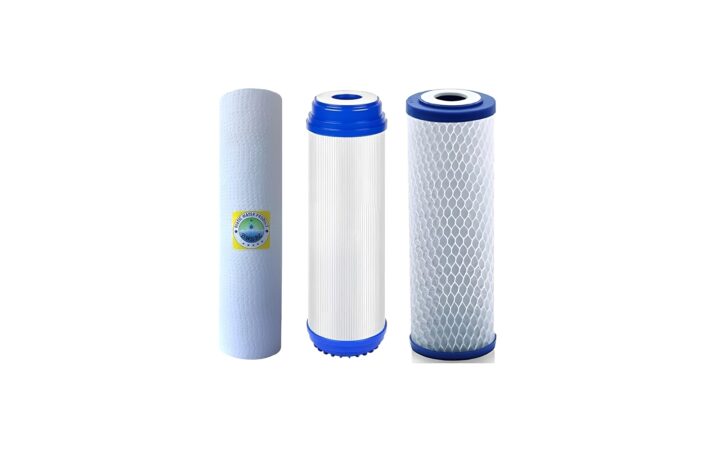
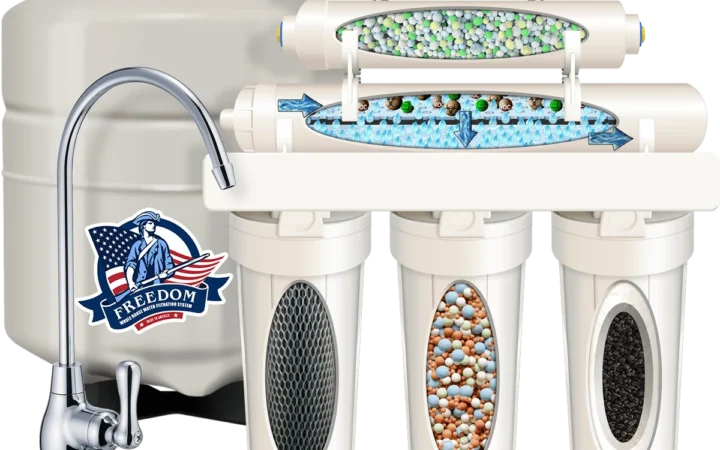
Properties with significant hard water problems could benefit from professionally selected water treatment equipment.
Addressing the underlying water quality issue can help protect not only the heater but also other household appliances and plumbing fixtures.
Recognizing Signs That Your Water Heater Needs Attention
Mechanical problems rarely develop according to a convenient schedule. Still, water heaters frequently provide warning signs before experiencing a complete breakdown.
Some common symptoms worth investigating include:
- Hot water running out much faster than usual.
- Unexpected fluctuations in water temperature.
- Unusual banging, popping, or rumbling sounds.
- Moisture collecting around the equipment.
- Discolored water coming from hot water faucets.
- Unexplained increases in energy bills.
These symptoms may have several different causes. A noisy tank could contain mineral deposits, while inconsistent temperatures might indicate thermostat or component problems.
Significant leaks deserve immediate professional attention. If safely accessible, shutting off the water supply can help limit potential property damage.
Avoid handling electrical equipment in wet areas.
When Does Replacement Make More Financial Sense?
Repairing a water heater can be considerably less expensive than purchasing a new one. However, repeatedly fixing an aging appliance may eventually become an unnecessary financial burden.
Consider the equipment’s overall condition, previous repair history, energy consumption, and remaining expected service life.
A relatively inexpensive component replacement might make perfect sense for a newer system. An older tank experiencing corrosion and recurring problems could justify replacement instead.
Ask a qualified plumber to explain the available alternatives and anticipated expenses.
Understanding the bigger picture helps homeowners make decisions that support long-term comfort rather than simply resolving an immediate inconvenience.
Simple Maintenance Habits That Can Protect Your Equipment
Water heaters benefit from occasional professional attention, even when everything appears to be working normally.
Follow manufacturer recommendations for servicing, inspect accessible connections for visible moisture, and arrange professional inspections when unusual symptoms develop.
Repairing dripping hot water faucets and reducing unnecessary consumption can also help limit energy waste.
These small habits contribute to more dependable performance without requiring complicated daily maintenance.
Enjoying Reliable Hot Water With Fewer Interruptions
A well-functioning water heater quietly supports the rhythm of everyday life. Warm showers, freshly washed clothes, and clean dishes shouldn’t become things you have to worry about.
Choosing suitable equipment, addressing mechanical problems promptly, and managing mineral accumulation can help maintain reliable performance.
Ultimately, a little attention today may save you from an unpleasant surprise tomorrow. And when you’re stepping into a comfortably warm shower on a chilly morning, that preventive care feels entirely worthwhile.