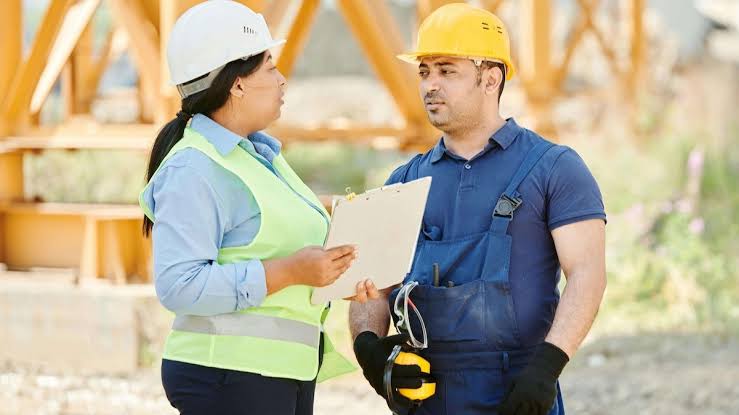
Construction projects rarely go exactly as planned. Even with detailed contracts, experienced contractors, and careful project management, disagreements have a way of showing up when deadlines slip, budgets stretch, or workmanship comes into question. What begins as a minor misunderstanding can quickly grow into a legal dispute involving builders, developers, engineers, architects, insurers, and property owners.
When that happens, facts matter far more than opinions. Courts, arbitration panels, and insurance companies rely on professionals who can explain technical issues in a way everyone understands. That’s where experienced construction experts become incredibly valuable. They don’t simply point fingers. Instead, they examine evidence, review documentation, inspect work, and provide objective findings based on years of practical experience.
Understanding the Value of Independent Construction Experts
Construction is one of those industries where almost every decision leaves a trail. There are drawings, change orders, inspection reports, photographs, schedules, invoices, and countless emails. Looking at those documents individually rarely tells the whole story. It’s the connection between them that reveals what actually happened.
An experienced construction expert knows how to piece together that puzzle. They evaluate timelines, compare completed work with project specifications, and identify whether delays, defects, or additional costs were avoidable or simply part of the project’s natural progression.
Their role isn’t to support one side blindly. The strongest experts maintain independence because credibility is everything. If their conclusions appear biased, their testimony loses much of its value.
Turning Technical Issues Into Clear Explanations
Construction disputes often involve subjects that aren’t easy for non-specialists to understand. Foundation movement, structural failures, waterproofing defects, scheduling conflicts, material performance, or code compliance can sound overwhelming in a courtroom.
This is exactly where construction expert testimony becomes essential.
Rather than overwhelming judges or juries with complicated engineering language, a qualified expert translates technical findings into practical explanations. They explain not only what happened but also why it happened and whether it could reasonably have been prevented.
That clarity often becomes one of the most persuasive parts of a legal case.
Every Detail Matters During a Site Investigation
Walking onto a construction site may seem straightforward, but experienced investigators notice things most people overlook.
They examine concrete finishes, framing alignment, moisture intrusion, drainage patterns, installation methods, equipment usage, and even weather conditions during construction. Small observations frequently uncover much larger problems hidden beneath the surface.
Sometimes a cracked wall isn’t actually caused by poor workmanship. It may result from foundation settlement, design limitations, or soil movement. Likewise, what appears to be contractor negligence may actually stem from incomplete project documentation or owner-requested design changes.
That’s why careful investigation matters before conclusions are reached.
Measuring Work Against Industry Expectations
Construction isn’t judged by personal preference. Projects are evaluated according to accepted engineering principles, contract requirements, applicable building codes, manufacturer recommendations, and construction industry standards.
These benchmarks provide an objective way to determine whether work meets professional expectations.
Experts compare completed installations with these recognized standards while considering the unique conditions of each project. They understand that no construction site is perfect, but they also know when workmanship falls below acceptable levels.
This balanced evaluation helps resolve disputes more fairly because decisions rely on measurable criteria rather than assumptions or emotions.
Documentation Often Speaks Louder Than Memories
One interesting thing about construction disputes is how differently people remember the same project. Contractors, owners, subcontractors, and consultants often have completely different recollections.
Documents rarely have that problem.
Daily reports, inspection records, meeting minutes, revised drawings, payment applications, scheduling updates, and project correspondence provide an objective timeline of events.
Experienced experts spend countless hours reviewing these materials before forming opinions. A single overlooked email or revised drawing can completely change the understanding of a dispute.
It’s slow work, honestly, but it’s often where the strongest evidence comes from.
Supporting Fair Resolution Before Trial
Not every construction disagreement ends inside a courtroom. In fact, many never get that far.
Independent expert evaluations frequently help both parties understand the strengths and weaknesses of their positions before litigation becomes more expensive.
Once technical issues are explained clearly, negotiations often become much more productive. Mediation and arbitration benefit significantly from expert analysis because the discussion shifts away from accusations and toward evidence.
That saves time, reduces legal expenses, and sometimes preserves valuable business relationships that might otherwise be lost.
Evaluating Financial Losses and Project Delays
Construction disputes rarely focus only on defective work. Delays, additional labor, equipment downtime, material price increases, and scheduling disruptions can create substantial financial consequences.
Experts analyze project records to determine whether claimed losses directly relate to the disputed issues or result from unrelated project challenges.
This detailed review helps establish legitimate construction claims while separating actual damages from unsupported assumptions.
Financial accuracy is just as important as technical accuracy. Without both, it becomes difficult to determine appropriate compensation or responsibility.
Experience Matters More Than Job Titles
Anyone can describe construction work, but effective expert witnesses combine practical field experience with technical knowledge and strong communication skills.
The best professionals have spent years managing projects, supervising construction, interpreting contracts, investigating failures, or performing forensic evaluations. They’ve likely seen projects succeed for the right reasons—and fail for avoidable ones.
Equally important, they know how to explain complicated findings calmly and confidently under questioning.
That ability doesn’t come from textbooks alone. It develops through years of real-world experience across different project types and construction environments.
Building Stronger Cases With Reliable Evidence
Construction disputes can become emotional. Property owners worry about expensive repairs. Contractors protect their reputations. Developers face financial pressure from delays. Everyone believes they’re right.
Reliable evidence helps cut through those emotions.
Independent experts provide structured analysis based on facts, accepted methodologies, and professional judgment. Whether they’re reviewing residential homes, commercial developments, infrastructure projects, or industrial facilities, their focus remains the same: determine what happened, why it happened, and whether the available evidence supports those conclusions.
In the end, that’s what makes expert testimony so valuable.
Final Thoughts
Construction projects involve countless moving parts, and even well-managed jobs can encounter unexpected problems. When disagreements arise, having an experienced construction expert involved early often leads to clearer communication, stronger evidence, and more informed decisions.
Whether resolving disputes through negotiation, mediation, arbitration, or litigation, expert analysis provides something every construction case needs—clarity grounded in facts rather than speculation.
As projects continue growing in complexity, the importance of skilled construction experts will only increase. Their ability to explain technical issues, evaluate evidence objectively, and communicate findings clearly helps create fairer outcomes for everyone involved. After all, in construction disputes, the strongest argument is rarely the loudest one. It’s the one supported by credible evidence, careful investigation, and professional expertise.