Blog

  • International Business: Expanding Beyond Borders

    International Business: Expanding Beyond Borders

    In an increasingly globalized world, international business plays a pivotal role in the growth and success of companies. Expanding operations beyond domestic borders can bring new opportunities and challenges. In this article, we’ll explore the significance of international business, the benefits it offers, and the strategies that companies can employ to succeed in the international marketplace.

    Understanding International Business

    International business refers to commercial activities that involve the exchange of goods, services, or capital between two or more countries. It encompasses various aspects of cross-border trade, including import and export, foreign direct investment, international market expansion, and global supply chain management.

    The Significance of International Business

    Market Expansion: International business opens doors to larger markets, offering companies the potential for increased sales and growth. Entering new markets can help businesses offset fluctuations in domestic demand.

    Diversification: Expanding internationally allows companies to diversify their revenue streams. Relying solely on the domestic market can be risky if the local economy experiences a downturn.

    Competitive Advantage: Entering global markets can provide a competitive advantage by offering opportunities for product differentiation, cost savings, and innovation.

    Access to Talent and Resources: International expansion can provide access to a broader talent pool, specialized skills, and resources that may not be readily available domestically.

    Brand Visibility: Expanding internationally can enhance brand visibility and reputation on a global scale. This can lead to greater brand recognition and loyalty.

    Strategies for Successful International Business Expansion

    Market Research: Thorough market research is essential before entering a new country. Analyze factors like market size, competition, consumer behavior, and cultural nuances.

    Legal and Regulatory Compliance: Understand the legal and regulatory requirements of the target market, including trade policies, taxation, and industry-specific regulations.

    Cultural Adaptation: Adapt your products, services, and marketing strategies to align with the local culture. Cultural sensitivity is crucial for building trust and rapport with international customers.

    Logistics and Supply Chain Management: Ensure an efficient and reliable supply chain that can handle the complexities of international shipping, customs, and distribution.

    Local Partnerships: Partner with local distributors, suppliers, or joint ventures to gain insight into the local market and benefit from established relationships.

    Market Entry Strategy: Choose the most suitable market entry strategy, which may involve exporting, franchising, licensing, setting up wholly-owned subsidiaries, or forming strategic alliances.

    Currency Management: Manage currency exchange risks through hedging strategies and stay informed about exchange rate fluctuations.

    Global Marketing: Develop a global marketing strategy that considers the diversity of international markets. Tailor your messaging to resonate with local audiences.

    Case Study: McDonald’s

    McDonald’s is a classic example of a company that has successfully expanded internationally. With its “glocal” strategy (think global, act local), McDonald’s adapts its menu and operations to suit the local tastes and cultural preferences of each country while maintaining a global brand identity.

    The company collaborates with local suppliers to source ingredients, tailors its menu to include regional flavors, and incorporates cultural elements into restaurant design. This approach has enabled McDonald’s to thrive in diverse markets while maintaining its brand consistency.

    Common Challenges in International Business

    Cultural Differences: Navigating cultural nuances can be challenging. What works in one market may not be suitable for another. Misunderstanding cultural norms can lead to missteps.

    Legal and Regulatory Hurdles: Compliance with local laws and regulations, which can vary widely from country to country, can pose a significant challenge.

    Political Instability: Political changes or instability in the host country can impact business operations and profitability.

    Economic Uncertainty: Economic fluctuations, currency devaluation, or financial crises can disrupt international business operations.

    Logistical Complexities: Managing the logistics of international trade, including customs, shipping, and distribution, can be complex and costly.

    Conclusion

    International business offers significant growth opportunities for companies willing to expand beyond their domestic borders. It provides access to larger markets, diversification, competitive advantages, and the potential to enhance brand visibility on a global scale.

    While international business can be highly rewarding, it is not without its challenges. Companies must conduct extensive market research, adapt to local cultures, navigate legal and regulatory hurdles, and address logistical complexities. Success in international business requires careful planning, a deep understanding of the target market, and the ability to adapt and learn from the unique experiences and challenges presented by each new country.

    In a globalized world, companies that embrace international expansion and effectively navigate the complexities of international business are well-positioned for sustained growth and success.

  • The Role of Innovation in Business Growth

    The Role of Innovation in Business Growth

    Innovation is the lifeblood of business growth in today’s rapidly evolving marketplace. Companies that prioritize innovation are better equipped to adapt to change, meet customer needs, and stay ahead of the competition. In this article, we’ll explore the critical role of innovation in driving business growth and the strategies companies can employ to foster innovation effectively.

    Understanding Innovation in Business

    Innovation in a business context refers to the creation and implementation of new ideas, processes, products, or services that provide value and drive growth. It can take various forms, including technological advancements, process improvements, product enhancements, and even novel business models.

    The Significance of Innovation in Business Growth

    Competitive Advantage: Innovation allows businesses to differentiate themselves from competitors. It can lead to the development of unique products or services that stand out in the market.

    Increased Efficiency: Innovative processes and technologies often lead to increased efficiency, reduced costs, and improved resource utilization, all of which contribute to growth.

    Customer Satisfaction: Innovative solutions that directly address customer needs and pain points can lead to higher customer satisfaction and loyalty.

    Adaptation to Change: Innovating and embracing change is crucial in a dynamic business environment. Businesses that are agile and open to innovation can respond more effectively to market shifts.

    Market Expansion: Innovation can open up new market opportunities, enabling businesses to expand into different customer segments, industries, or geographical regions.

    Strategies for Fostering Innovation

    Cultivate a Culture of Innovation: Fostering a culture where employees are encouraged to propose and experiment with new ideas is fundamental. It’s essential to create an environment where risk-taking is acceptable, and failure is viewed as a learning opportunity.

    Customer-Centric Innovation: Understand your customers’ needs and preferences deeply. Involve customers in the innovation process through feedback, surveys, and co-creation. This ensures that innovations are relevant and valuable.

    Cross-Functional Teams: Create cross-functional teams that bring together individuals with diverse skills, backgrounds, and perspectives. Collaboration across different functions can lead to creative solutions.

    Invest in Research and Development: Allocate resources to research and development efforts. This may involve setting up an R&D department or collaborating with external research partners.

    Open Innovation: Collaborate with external partners, including suppliers, customers, and even competitors. Open innovation can lead to fresh perspectives and accelerated innovation.

    Rapid Prototyping and Testing: Quickly develop prototypes or minimum viable products (MVPs) to test new ideas in a real-world context. This iterative approach allows for faster learning and adaptation.

    Innovation Metrics: Define and measure innovation metrics to assess the impact of your innovation efforts. Track indicators like the number of new product launches, time-to-market, and the percentage of revenue from new products.

    Incentives and Recognition: Reward and recognize employees who contribute to innovation. Offer incentives, awards, or career advancement opportunities for those who drive innovation.

    Case Study: Apple Inc.

    Apple Inc. is a prime example of a company that thrives on innovation. The tech giant continually disrupts and transforms industries with groundbreaking products and services. Key elements of Apple’s innovation strategy include:

    Design Excellence: Apple’s emphasis on design has led to iconic, user-friendly products that resonate with customers.

    Iterative Innovation: Apple iteratively improves its products by releasing updated versions that address customer feedback and incorporate new features.

    Ecosystem Building: The integration of hardware, software, and services within the Apple ecosystem creates a seamless and attractive user experience.

    Secrecy and Surprise: Apple’s culture of secrecy and surprise generates significant anticipation and excitement around new product launches.

    User Feedback: Apple actively gathers and incorporates user feedback into product design and feature enhancements.

    Common Barriers to Innovation

    Resistance to Change: Employees or leadership may resist changes or new ideas, hindering innovation efforts.

    Lack of Resources: Insufficient budget, time, or personnel allocated to innovation can stifle progress.

    Risk Aversion: A fear of failure can deter innovation. Companies that penalize mistakes often discourage employees from taking risks.

    Inefficient Processes: Cumbersome and bureaucratic processes can slow down innovation efforts.

    Short-Term Focus: An exclusive focus on short-term goals may lead to neglecting long-term innovation.

    Conclusion

    Innovation is a cornerstone of business growth, driving competitiveness, efficiency, customer satisfaction, and market expansion. Companies that prioritize innovation foster a culture of creativity and experimentation, engage customers in the process, and continually seek out fresh ideas.

    While innovation is vital, it’s not without its challenges. Overcoming resistance to change, allocating sufficient resources, and addressing risk aversion are essential steps in fostering innovation. To remain competitive and thrive in the ever-evolving business landscape, companies must embrace innovation as a core principle and a key driver of growth. Remember that innovation isn’t a one-time effort but an ongoing commitment to staying at the forefront of your industry.

  • Customer Relationship Management (CRM) Strategies: Building Stronger Customer Connections

    Customer Relationship Management (CRM) Strategies: Building Stronger Customer Connections

    In the competitive world of business, developing and nurturing strong customer relationships is essential for long-term success. Customer Relationship Management (CRM) strategies provide the framework for building, maintaining, and enhancing these relationships. In this article, we’ll explore the significance of CRM and share effective strategies for businesses to connect with their customers on a deeper level.

    Understanding Customer Relationship Management (CRM)

    Customer Relationship Management, often referred to as CRM, is a business strategy that focuses on managing interactions with current and potential customers. It encompasses the use of technology, data analysis, and customer-centric processes to understand, engage, and serve customers effectively.

    The Significance of CRM

    Customer Retention: It’s more cost-effective to retain existing customers than to acquire new ones. A well-implemented CRM strategy helps increase customer loyalty and reduce churn.

    Personalization: CRM allows businesses to tailor their interactions with customers based on their preferences and behaviors. Personalized experiences enhance customer satisfaction.

    Data-Driven Decision-Making: CRM systems provide valuable insights into customer behavior and trends, enabling data-driven decision-making.

    Sales and Marketing Alignment: CRM helps bridge the gap between sales and marketing teams, ensuring a coordinated effort to attract and retain customers.

    Efficient Customer Support: CRM systems can streamline customer support processes, ensuring prompt and efficient issue resolution.

    Effective CRM Strategies

    Segmentation: Divide your customer base into segments based on common characteristics, such as demographics, purchase history, or behavior. This allows for more targeted marketing and communication.

    Customer Data Management: Collect and maintain accurate customer data. A clean and comprehensive database is crucial for effective CRM.

    Personalization: Tailor your interactions with customers by using their names, recommending products based on their history, and acknowledging important milestones, such as birthdays or anniversaries.

    Multi-Channel Engagement: Reach customers through their preferred channels, whether it’s email, social media, phone, or in-person. Ensure a consistent and cohesive experience across all channels.

    Automation: Implement CRM automation for repetitive tasks like email follow-ups, appointment scheduling, and lead nurturing. Automation saves time and ensures consistency.

    Feedback Collection: Encourage customers to provide feedback and reviews. Use surveys, feedback forms, and social media listening to gain valuable insights.

    Lead Nurturing: Develop a lead nurturing process to guide potential customers through the sales funnel. Provide valuable content and touchpoints to keep them engaged.

    Customer Support Integration: Integrate customer support into your CRM strategy. Ensure that customer inquiries and issues are addressed promptly and effectively.

    Training and Employee Engagement: Invest in employee training to ensure that your team understands and is committed to CRM strategies. Engaged employees are more likely to create positive customer interactions.

    Measure and Analyze: Continuously measure the impact of your CRM strategies. Analyze data to make informed decisions and refine your approach.

    Case Study: Amazon

    Amazon, one of the world’s largest e-commerce companies, excels in customer relationship management. The company’s CRM strategy includes:

    Personalization: Amazon’s recommendation engine provides personalized product suggestions based on customers’ browsing and purchase history. This drives sales and enhances the user experience.

    Data Management: Amazon effectively manages customer data, ensuring that the shopping experience is seamless across devices and channels.

    Customer Support: Amazon’s customer support is known for its efficiency and responsiveness, addressing inquiries and issues promptly.

    Feedback Collection: The company actively encourages customers to leave reviews, contributing to its reputation and influencing purchasing decisions.

    Cross-Selling and Upselling: Amazon suggests complementary products during the checkout process, effectively increasing the average order value.

    Prime Membership: The Amazon Prime program enhances customer loyalty through benefits like free shipping and access to entertainment content.

    Common Mistakes to Avoid

    Ignoring Data Privacy: Mishandling customer data or neglecting privacy concerns can erode trust. Businesses must prioritize data security and adhere to privacy regulations.

    Over-Automation: While automation is valuable, overusing it can make interactions feel robotic. Balance automation with genuine human engagement.

    Inconsistency: Inconsistent messaging and experiences across channels can confuse and frustrate customers. Maintain uniformity in your CRM approach.

    Ignoring Negative Feedback: Negative feedback can provide valuable insights for improvement. Address criticism constructively and make necessary changes.

    Lack of Employee Training: Employees who interact with customers must be well-trained in CRM practices. Inadequate training can lead to subpar customer experiences.

    Conclusion

    Effective Customer Relationship Management strategies are instrumental in building and nurturing strong customer connections. By embracing segmentation, personalization, multi-channel engagement, automation, and a commitment to data-driven decision-making, businesses can enhance customer loyalty, drive growth, and create a positive brand reputation.

    Successful CRM strategies aren’t static; they evolve in response to customer preferences and market dynamics. By continuously measuring, analyzing, and adapting, businesses can stay attuned to their customers’ needs and maintain thriving, long-lasting relationships. Remember, in today’s business landscape, customers value not only the products and services they receive but also the relationships they build with the brands they choose.

  • Social Media Marketing: Best Practices for Business

    Social Media Marketing: Best Practices for Business

    In the digital age, social media has become a powerful tool for businesses to connect with their audience, build brand awareness, and drive growth. However, success in social media marketing requires more than just a presence; it demands a well-executed strategy and adherence to best practices. In this article, we’ll explore the key principles of social media marketing that businesses should follow to achieve success.

    Understanding Social Media Marketing

    Social media marketing involves the use of various social media platforms to connect with an audience, promote products or services, and build a brand’s online presence. It’s an integral part of a comprehensive digital marketing strategy and offers several advantages, including cost-effectiveness, widespread reach, and the ability to engage with a target audience.

    Best Practices for Social Media Marketing

    Define Clear Objectives: Before diving into social media marketing, set specific, measurable, and achievable goals. Are you looking to increase website traffic, boost sales, or enhance brand visibility? Having clear objectives will guide your strategy.

    Know Your Audience: Understanding your target audience is crucial. Conduct research to identify their demographics, preferences, and behaviors. This information will help you tailor your content and messaging to resonate with your audience.

    Choose the Right Platforms: Not all social media platforms are suitable for every business. Select platforms that align with your target audience and business goals. For example, LinkedIn is ideal for B2B companies, while Instagram and TikTok may work better for visually appealing products.

    Consistent Branding: Maintain consistent branding across all social media profiles. This includes your profile picture, cover photo, and bio. Consistency builds recognition and trust.

    Content Strategy: Develop a content strategy that includes a mix of content types, such as articles, images, videos, and infographics. Provide valuable and relevant content to engage your audience. Plan a content calendar to ensure regular posting.

    Visuals and Multimedia: Visual content is highly engaging on social media. Use high-quality images and videos to capture attention. Consider utilizing features like Stories on platforms such as Instagram and Facebook for temporary but captivating content.

    Hashtags: Use relevant hashtags to expand the reach of your posts. Research and select popular and industry-specific hashtags that your audience follows.

    Engagement: Actively engage with your audience by responding to comments and messages. Create a dialogue, ask questions, and encourage discussions. Promptly address any concerns or inquiries.

    User-Generated Content: Encourage your customers to create content related to your products or services and share it on their profiles. User-generated content is a powerful form of social proof and can help build trust.

    Paid Advertising: Consider using paid advertising on social media platforms to reach a wider audience. Platforms like Facebook and Instagram offer detailed targeting options to ensure your content reaches the right people.

    Analytics and Tracking: Use analytics tools provided by social media platforms or third-party tools to monitor the performance of your posts and campaigns. Regularly review your metrics to understand what’s working and what needs improvement.

    Adapt and Experiment: The digital landscape is constantly evolving. Be ready to adapt your strategy and experiment with new trends and features on social media platforms. Don’t be afraid to try different content formats and posting times.

    Case Study: Wendy’s

    Wendy’s, the fast-food chain, is known for its witty and humorous presence on social media. The brand has leveraged humor and relatability to engage its audience and build a strong online following. Wendy’s often engages in friendly banter with other brands, showcasing its playful and authentic personality.

    This approach has led to viral moments, increased engagement, and a boost in brand recognition. Wendy’s understands its audience and effectively utilizes humor to connect with them on social media, resulting in a significant impact on brand perception and sales.

    Common Mistakes to Avoid

    Inconsistent Posting: Irregular posting can cause your audience to lose interest. Maintain a consistent posting schedule to keep your audience engaged.

    Over-Promotion: Avoid excessive self-promotion. Instead, focus on providing value to your audience by sharing informative or entertaining content.

    Ignoring Comments: Failing to engage with comments and messages can create a negative impression. Be responsive and show that you value your audience’s input.

    Ignoring Analytics: Neglecting to analyze performance data can hinder your growth. Regularly review your social media analytics to refine your strategy.

    Lack of Originality: Simply copying what other businesses do won’t set you apart. Develop a unique voice and approach that aligns with your brand identity.

    Conclusion

    Social media marketing is a dynamic and evolving field, and its best practices can change over time. To succeed in this space, businesses must stay adaptable and attentive to their audience’s preferences and the shifting digital landscape.

    By defining clear objectives, knowing your audience, selecting the right platforms, maintaining consistent branding, and following the best practices mentioned above, businesses can leverage social media as a powerful tool for brand growth, customer engagement, and online success. Keep in mind that social media marketing is not a one-size-fits-all approach; each business should tailor its strategy to its unique goals and target audience.

  • Business Ethics: Building Trust with Customers

    Business Ethics: Building Trust with Customers

    In the modern business landscape, ethics play a pivotal role in building trust with customers. Companies that prioritize ethical behavior not only enhance their reputation but also establish long-lasting relationships with their clientele. In this article, we will delve into the significance of business ethics and how they contribute to building trust with customers.

    What are Business Ethics?

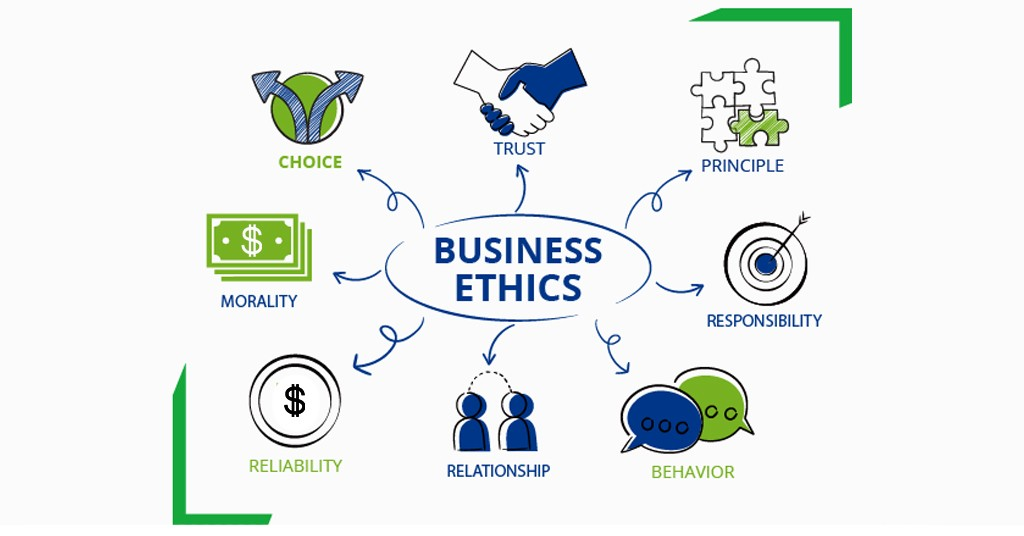
    Business ethics are a set of moral principles and values that guide the conduct of an organization, its employees, and its interactions with all stakeholders. These principles encompass honesty, fairness, integrity, and transparency in decision-making and actions.

    The Importance of Business Ethics

    Trust and Credibility: Ethics form the foundation of trust in business. When customers perceive a company as ethical and principled, they are more likely to trust its products and services.

    Customer Loyalty: Ethical behavior contributes to customer loyalty. When customers believe that a company shares their values and acts ethically, they are more inclined to remain loyal to the brand.

    Reputation Management: A strong commitment to ethics helps protect a company’s reputation. Ethical behavior can prevent damaging scandals and negative publicity.

    Legal Compliance: Ethical practices often align with legal requirements. Companies that follow ethical guidelines are less likely to encounter legal troubles.

    Employee Satisfaction: Employees who work for ethical organizations tend to be more satisfied, and satisfied employees are more likely to provide excellent customer service.

    Competitive Advantage: Companies that prioritize ethics often gain a competitive advantage. Ethical practices can set a company apart in a crowded marketplace.

    Examples of Business Ethics in Action

    Honest Advertising: Ethical companies avoid deceptive advertising practices and provide accurate and transparent information about their products and services. For example, they do not make false claims or exaggerate product benefits.

    Fair Pricing: Ethical pricing ensures that products are fairly priced, without price gouging or taking advantage of customers. Companies avoid hidden fees and are upfront about costs.

    Customer Data Privacy: Respecting customer data privacy is an essential ethical principle. Companies should protect customer data and seek permission before using it for marketing or other purposes.

    Ethical Sourcing: Companies committed to ethical sourcing ensure that their supply chain does not involve exploitative labor practices, child labor, or environmental harm.

    Sustainability: Sustainable business practices, such as reducing environmental impact and promoting responsible resource management, reflect ethical commitments.

    Building Trust with Customers through Business Ethics

    Transparency: Transparency is a cornerstone of trust. Businesses should be open about their practices, products, and any challenges they face. Honest communication builds credibility.

    Accountability: Ethical companies take responsibility for their actions and their consequences. If a mistake occurs, they acknowledge it, rectify it, and learn from it.

    Consistency: Consistency in ethical behavior is vital. Companies should adhere to their principles in all situations and not compromise their values under pressure.

    Empathy: Empathy involves understanding and respecting the perspectives and concerns of customers. Ethical companies actively listen to customer feedback and strive to meet their needs.

    Social Responsibility: Being socially responsible by giving back to the community or supporting charitable causes helps build trust. Customers appreciate companies that care about more than just profits.

    Case Study: Patagonia

    Patagonia, an outdoor clothing and gear company, is a notable example of a business that places ethics at the core of its operations. The company’s commitment to environmental sustainability, fair labor practices, and transparency has garnered trust and loyalty from customers.

    Patagonia’s initiatives include:

    Sustainable Practices: Patagonia is known for its environmentally conscious practices, such as using recycled materials and fair trade sourcing.

    Worn Wear: The company promotes the reuse and repair of its products through its “Worn Wear” program, encouraging customers to buy used items or trade in their old Patagonia gear for store credit.

    Transparency: Patagonia openly shares information about its supply chain and environmental impact, fostering trust and credibility with its customer base.

    Activism: The company has engaged in various environmental and social initiatives, such as donating a percentage of its Black Friday sales to grassroots environmental organizations.

    Challenges and Dilemmas in Business Ethics

    Conflicts of Interest: Companies may face situations where their interests conflict with ethical principles. Decisions should prioritize ethics even when they run counter to financial interests.

    Cultural Differences: What is considered ethical can vary across cultures. Companies with a global presence must navigate these differences while maintaining a consistent ethical standard.

    Whistleblowing: Encouraging employees to report unethical behavior without fear of retaliation is essential. Companies should have systems in place to address whistleblower concerns.

    Ethical Decision-Making: Developing a clear framework for ethical decision-making helps employees navigate complex situations and make ethical choices.

    External Pressures: Companies may face external pressures to compromise ethics, such as economic downturns or competition. Resisting these pressures is crucial for maintaining trust.

    Conclusion

    Business ethics are not an optional feature of an organization; they are its foundation. Companies that prioritize ethical behavior and principles build trust with their customers, create loyal followings, and enjoy a positive reputation. Ethical practices not only benefit the bottom line but also contribute to a more equitable and just business environment.

    To foster trust with customers through business ethics, organizations should embrace transparency, consistency, accountability, empathy, and social responsibility. By adhering to these principles, companies can create lasting relationships with their customers, who will appreciate and support a brand that shares their values and respects their principles.

  • The Benefits of Study Abroad Programs

    The Benefits of Study Abroad Programs

    Studying abroad has become increasingly popular among students seeking a diverse and enriching educational experience. Study abroad programs provide students with the opportunity to immerse themselves in a new culture, gain a global perspective, and develop a range of personal and professional skills. In this article, we will explore the many benefits of studying abroad and why it has become a valuable component of higher education.

    Cultural Immersion

    One of the primary benefits of studying abroad is the opportunity for cultural immersion. Students have the chance to live and learn in a foreign country, which can be a transformative experience. Here are some of the ways cultural immersion benefits students:

    1. Language Proficiency:

    Living in a country where the native language is spoken provides an ideal environment for language acquisition and fluency.

    1. Cultural Understanding:

    Immersion in a different culture fosters an understanding of local customs, traditions, and perspectives.

    1. Expanded Horizons:

    Exposure to new cultures broadens students’ horizons and opens their minds to diverse ways of life.

    1. Interpersonal Skills:

    Building relationships with people from different cultural backgrounds enhances interpersonal skills, tolerance, and empathy.
    Academic and Professional Growth

    Studying abroad offers academic and professional growth opportunities that extend beyond the classroom. These experiences can have a profound impact on a student’s future career prospects:

    1. Academic Enrichment:

    Many study abroad programs offer courses that provide unique academic perspectives and experiences not available at the home institution.

    1. Research Opportunities:

    Students may have access to research opportunities and resources that are not available in their home country.

    1. International Networking:

    Building a global network of contacts can be invaluable for future career opportunities and collaborations.

    1. Employability:

    Employers value the skills and experiences gained from studying abroad, such as adaptability, cross-cultural communication, and problem-solving.
    Personal Development

    Studying abroad is a powerful catalyst for personal development. It pushes students out of their comfort zones and challenges them to grow in various ways:

    1. Independence:

    Living in a foreign country encourages self-reliance, independence, and the ability to adapt to new environments.

    1. Confidence:

    Students gain confidence by navigating unfamiliar situations and overcoming challenges on their own.

    1. Problem Solving:

    Dealing with the complexities of living in a different culture sharpens problem-solving and decision-making skills.

    1. Resilience:

    Overcoming language barriers, homesickness, and cultural differences fosters resilience and the ability to thrive in difficult circumstances.

    1. Global Awareness:

    Study abroad programs enhance global awareness, making students more socially conscious and engaged.
    Experiential Learning

    Studying abroad often includes experiential learning opportunities that go beyond traditional classroom education. These experiences allow students to apply what they have learned in real-world contexts:

    1. Internships:

    Many study abroad programs offer internship opportunities that allow students to gain practical experience in their field of study.

    1. Field Studies:

    Field studies and research projects enable students to explore and learn in the environment they are studying.

    1. Cultural Exploration:

    Immersion in a different culture provides opportunities for hands-on learning, such as cooking, art, and local traditions.

    1. Service Learning:

    Service learning experiences allow students to give back to the community while developing practical skills.
    Enhanced Communication Skills

    Studying abroad hones students’ communication skills in a multicultural context. They must navigate language barriers, develop cross-cultural sensitivity, and adapt to different communication styles:

    1. Multilingualism:

    Exposure to a new language improves linguistic skills and enhances the ability to communicate in multiple languages.

    1. Cross-Cultural Communication:

    Interacting with individuals from diverse backgrounds sharpens cross-cultural communication skills, crucial in a globalized world.

    1. Empathy and Tolerance:

    The experience fosters empathy, tolerance, and the ability to communicate effectively in a multicultural environment.
    Global Perspective

    Studying abroad provides a global perspective that can be invaluable for students’ future endeavors:

    1. Understanding International Issues:

    Exposure to international perspectives on social, political, and economic issues enhances students’ understanding of global challenges.

    1. Diplomacy and Collaboration:

    Students learn to navigate complex international relationships, a skill that can be applied to diplomacy and international collaboration.

    1. Contributing to a Global Society:

    Exposure to global challenges inspires students to become active contributors to a global society.
    Cultural Sensitivity

    Studying abroad nurtures cultural sensitivity and appreciation for diversity:

    1. Respect for Differences:

    Exposure to different cultures encourages respect for cultural differences and promotes a more inclusive and open-minded perspective.

    1. Challenging Stereotypes:

    Students often find that stereotypes and preconceived notions are challenged, leading to more informed and nuanced views.

    1. Celebrating Diversity:

    Students develop an appreciation for diversity and a desire to celebrate it.
    Improved Language Skills

    Language acquisition and improvement is a significant benefit of studying abroad:

    1. Language Fluency:

    Living in a country where the native language is spoken enhances language fluency and proficiency.

    1. Practical Application:

    Students have the opportunity to apply their language skills in real-life situations, solidifying their knowledge.

    1. Multilingualism:

    Many students return from study abroad programs multilingual, which can be a valuable asset in the job market.
    Career Advancement

    The skills and experiences gained from studying abroad are highly regarded by employers:

    1. Employability:

    Employers value the adaptability, cross-cultural communication, and problem-solving skills developed through study abroad.

    1. Networking:

    Building a global network of contacts can lead to international career opportunities.

    1. Differentiating Factor:

    Having international study experience sets graduates apart in a competitive job market.
    Conclusion

    Studying abroad is an enriching and transformative experience that offers a wide range of benefits. It promotes cultural immersion, academic and professional growth, personal development, and experiential learning. Students develop enhanced communication skills, gain a global perspective, and nurture cultural sensitivity. Studying abroad is an investment in personal and professional growth that can lead to diverse and fulfilling life experiences and career opportunities.

  • Building Critical Life Skills in Students

    Building Critical Life Skills in Students

    Education is not solely about academic knowledge but also about equipping students with essential life skills that will serve them well throughout their lives. These critical life skills encompass a wide range of competencies that extend beyond the classroom and into the real world. In this article, we will explore the importance of building these life skills in students and the various skills that are essential for their personal and professional development.

    The Importance of Life Skills Education

    Life skills education is an integral part of a well-rounded education, as it prepares students for the challenges and opportunities they will encounter in life. Here are some key reasons why teaching life skills is essential:

    1. Personal Development:

    Life skills empower individuals to understand themselves better, manage emotions, and build self-esteem.

    1. Social Competence:

    These skills foster healthy relationships, effective communication, and conflict resolution, enabling students to navigate social situations successfully.

    1. Problem Solving:

    Life skills promote critical thinking and problem-solving abilities, which are crucial in both personal and professional life.

    1. Adaptability:

    Students with strong life skills can adapt to changing circumstances, learn from experiences, and make informed decisions.

    1. Career Readiness:

    Many life skills, such as time management, teamwork, and communication, are highly sought after by employers and essential for success in the workplace.

    1. Financial Literacy:

    Understanding money management, budgeting, and financial planning is a critical life skill that helps individuals achieve financial stability.

    1. Emotional Intelligence:

    Life skills education enhances emotional intelligence, which is essential for self-awareness, empathy, and effective interpersonal relationships.
    Key Life Skills for Students

    Let’s delve into some of the most critical life skills that should be integrated into the education system:

    1. Communication:

    Effective communication is crucial for building relationships, resolving conflicts, and succeeding in both personal and professional life.

    1. Problem Solving:

    Teaching students how to identify problems, analyze them, and find solutions is an essential life skill.

    1. Decision Making:

    Decision-making skills help students make informed choices and evaluate potential consequences.

    1. Critical Thinking:

    Critical thinking enables students to analyze information, evaluate arguments, and make well-reasoned judgments.

    1. Time Management:

    The ability to manage time efficiently is vital for meeting deadlines and maintaining work-life balance.

    1. Self-Awareness:

    Self-awareness helps students understand their emotions, strengths, and weaknesses, leading to personal growth.

    1. Empathy:

    Empathy promotes understanding and compassion for others, fostering healthier relationships and social interactions.

    1. Resilience:

    Resilience enables students to bounce back from setbacks and challenges, developing their mental and emotional strength.

    1. Financial Literacy:

    Financial literacy teaches students the importance of money management, budgeting, and saving.

    1. Digital Literacy:
    • In the digital age, understanding technology, online safety, and digital responsibility is essential.
    1. Teamwork:
    • The ability to work effectively in teams is critical for collaboration in both educational and professional settings.
    1. Stress Management:
    • Learning how to manage stress and practice self-care is vital for mental and physical well-being.
    1. Conflict Resolution:
    • Conflict resolution skills help students address disagreements and disputes in a healthy and constructive manner.
    1. Goal Setting:
    • Setting and working toward goals is a fundamental life skill that helps individuals achieve their ambitions.
    1. Networking:
    • Developing networking skills is essential for building professional connections and opportunities.
    1. Cultural Competence:
    • Understanding and respecting different cultures and perspectives fosters inclusivity and global awareness.

    Life Skills Education in Practice

    Integrating life skills education into the curriculum involves various strategies and approaches:

    1. Explicit Instruction:

    Some life skills can be explicitly taught through dedicated courses or workshops.

    1. Embedded Learning:

    Life skills can be integrated into the existing curriculum, allowing students to practice them in real-life situations.

    1. Experiential Learning:

    Experiential learning activities, such as group projects, field trips, and simulations, provide opportunities for students to apply life skills.

    1. Guest Speakers and Workshops:

    Inviting experts and professionals to conduct workshops or share their experiences can help students develop relevant life skills.

    1. Peer Mentoring:

    Encouraging older students to mentor younger ones in life skills can be a valuable approach.

    1. Assessment and Feedback:

    Evaluating students’ progress in developing life skills and providing feedback for improvement is crucial.
    Benefits of Life Skills Education

    Teaching life skills to students offers numerous benefits:

    1. Personal Growth:

    It fosters personal development, self-awareness, and emotional intelligence.

    1. Improved Relationships:

    Students with strong life skills can build healthier and more positive relationships with peers, family, and colleagues.

    1. Academic Success:

    Life skills like time management and effective study habits can lead to better academic performance.

    1. Career Readiness:

    These skills prepare students for the challenges and demands of the workplace, enhancing their employability.

    1. Enhanced Well-Being:

    Life skills contribute to greater overall well-being, mental health, and resilience.

    1. Social Responsibility:

    Life skills education fosters social responsibility, empathy, and cultural competence, making students more socially conscious.
    Examples of Successful Life Skills Programs

    Several schools and organizations have implemented successful life skills programs:

    1. The 7 Habits of Highly Effective People (Covey):

    This program teaches students essential life skills, focusing on principles for personal and interpersonal effectiveness.

    1. The Positivity Project:

    This program empowers students to build positive relationships, foster empathy, and understand their character strengths.

    1. Financial Literacy Programs:

    Many organizations offer financial literacy programs to help students gain a solid understanding of personal finance.

    1. Peer Mentorship Programs:

    Older students mentor younger ones to develop essential life skills.
    Conclusion

    Life skills education is a critical component of a well-rounded education that equips students with the competencies they need for personal and professional success. These skills encompass various areas, including communication, problem solving, decision making, and financial literacy. By integrating life skills education into the curriculum, educators prepare students to face the challenges and opportunities of the real world, fostering their personal growth, well-being, and social responsibility.

  • The Role of Libraries in the Digital Age

    The Role of Libraries in the Digital Age

    Libraries have been a cornerstone of education and knowledge dissemination for centuries. However, in the digital age, the role of libraries has evolved significantly. This article explores the changing landscape of libraries, the challenges they face, and the ways in which they continue to serve as invaluable resources in an increasingly digital world.

    The Digital Transformation of Libraries

    The advent of the digital age has brought about a profound transformation in the way libraries function and fulfill their mission. Here are some key aspects of this digital transformation:

    1. Access to Digital Resources:

    Libraries now provide access to an extensive range of digital resources, including e-books, e-journals, databases, and multimedia content.

    1. Online Catalogs and Services:

    Traditional card catalogs have been replaced by online catalog systems, allowing users to search for and request materials remotely.

    1. E-Learning and Digital Literacy:

    Libraries offer e-learning platforms and programs that promote digital literacy, teaching users how to navigate the digital landscape effectively.

    1. Maker Spaces:

    Many libraries have introduced maker spaces, where patrons can explore technology, create, and innovate using 3D printers, coding kits, and other tools.

    1. Virtual Library Services:

    Libraries extend their reach through virtual services, offering online reference assistance, digital book lending, and virtual events and workshops.
    Challenges Faced by Libraries in the Digital Age

    The digital age has presented libraries with various challenges, which include:

    1. Copyright and Licensing Issues:

    Libraries must navigate complex copyright and licensing agreements when providing digital resources to users.

    1. Funding and Budget Constraints:

    The cost of acquiring and maintaining digital resources can strain library budgets.

    1. Privacy Concerns:

    Libraries need to address privacy concerns associated with collecting and managing digital user data.

    1. Evolving User Expectations:

    Libraries must keep pace with the evolving expectations of digital-savvy users who demand seamless online experiences.

    1. Preservation of Digital Materials:

    Ensuring the long-term preservation of digital materials is a challenge, as formats and technologies continually change.
    The Evolving Role of Librarians

    In the digital age, the role of librarians has expanded beyond the traditional image of bookkeepers and catalogers. Librarians now serve as technology experts, information navigators, and educators. Their roles include:

    1. Information Guides:

    Librarians help users navigate the vast digital landscape, teaching them to discern reliable information from misinformation.

    1. Digital Resource Managers:

    They manage the library’s digital collections, ensuring access to a wide range of e-resources.

    1. Technology Trainers:

    Librarians offer training and workshops on various digital tools and resources, promoting digital literacy.

    1. Community Builders:

    Libraries often serve as community hubs, hosting digital events, lectures, and forums.

    1. Data and Information Analysts:

    Librarians may assist researchers and students in finding, analyzing, and managing data and information effectively.
    The Resilience and Relevance of Libraries

    Despite the challenges, libraries remain resilient and relevant in the digital age. Here’s why:

    1. Equal Access to Information:

    Libraries continue to provide free and equitable access to information and resources for all, bridging the digital divide.

    1. Preservation of Knowledge:

    Libraries play a critical role in preserving human knowledge and culture through the curation of digital and physical collections.

    1. Support for Lifelong Learning:

    They offer spaces for self-directed learning, research, and professional development, encouraging lifelong learning.

    1. Community Engagement:

    Libraries foster community engagement by hosting events, workshops, and activities that cater to diverse interests.

    1. Trusted Information Sources:

    In an era of information overload, libraries serve as trusted sources of accurate and reliable information.
    Examples of Innovative Libraries

    Several libraries worldwide have embraced innovation and successfully adapted to the digital age:

    1. The Seattle Public Library, USA:

    Known for its extensive digital collection and tech-focused programs, such as digital literacy classes.

    1. DOKK1, Aarhus, Denmark:

    A cutting-edge library featuring a range of digital resources, including 3D printers, a media lab, and a large interactive touchscreen installation.

    1. National Library of Singapore:

    Offers a Digital Library of Singapore that allows users to access a wide range of digitized resources, including rare books and manuscripts.

    1. BvLF City Library, Ghent, Belgium:

    Provides a “Library of Things” where patrons can borrow tools, kitchen appliances, and even works of art.
    Conclusion

    The digital age has brought significant changes to the role of libraries, challenging them to adapt to new technologies and evolving user needs. Despite these challenges, libraries remain vital pillars of knowledge, providing equal access to information, preserving cultural heritage, and fostering lifelong learning. Libraries and librarians continue to serve as guides, educators, and community builders in an era marked by digital transformation. Their resilience and adaptability ensure that they remain invaluable resources for generations to come.

  • The Impact of Standardized Testing on Education

    The Impact of Standardized Testing on Education

    Standardized testing has been a central component of education systems worldwide. These assessments are designed to evaluate student performance, provide accountability for schools, and help inform educational policy. However, the impact of standardized testing on education is a topic of ongoing debate. In this article, we will explore the significance of standardized testing, its potential benefits, drawbacks, and alternatives to create a comprehensive understanding of its influence on education.

    The Significance of Standardized Testing

    Standardized testing plays a crucial role in education for several reasons:

    1. Assessment of Student Learning:

    Standardized tests serve as a tool to assess students’ understanding of core subjects, providing educators with insights into their academic progress.

    1. Accountability:

    Standardized tests are used to hold schools and educational systems accountable for their performance. They provide data that can be used to evaluate the effectiveness of instructional methods and curriculum.

    1. Comparison Across Schools and Districts:

    Standardized tests enable comparisons of student performance between schools, districts, and regions, helping to identify disparities and areas that need improvement.

    1. Data-Driven Decision Making:

    Standardized test results inform educational policies and resource allocation, allowing policymakers to make data-driven decisions to improve educational quality.

    1. College Admissions:

    Standardized tests like the SAT and ACT are used by colleges and universities as part of the admissions process to assess applicants’ academic readiness.
    Potential Benefits of Standardized Testing

    Standardized testing offers several potential benefits:

    1. Objective Assessment:

    Standardized tests provide an objective way to assess student knowledge and skills, reducing bias in grading.

    1. Accountability:

    Schools are held accountable for their performance, which can encourage improvements in teaching methods and curriculum.

    1. Data-Driven Decision Making:

    Policymakers can use test data to identify underperforming schools and allocate resources effectively.

    1. College and Career Readiness:

    Standardized tests can help students gauge their readiness for college or the job market.
    Drawbacks and Criticisms of Standardized Testing

    Despite their significance, standardized tests are not without drawbacks and criticisms:

    1. Narrow Focus:

    Critics argue that standardized tests often focus on a limited set of skills and may not capture a holistic view of a student’s abilities.

    1. Teaching to the Test:

    Teachers may feel pressured to “teach to the test,” emphasizing test-specific content at the expense of a broader education.

    1. Inequity:

    Standardized testing can exacerbate educational inequities, as students from disadvantaged backgrounds may not have access to test preparation resources.

    1. Stress and Anxiety:

    High-stakes standardized tests can create stress and anxiety in students, potentially leading to negative mental health effects.

    1. Limited Creativity:

    Standardized tests may undervalue creativity and critical thinking, focusing on memorization and regurgitation of facts.

    1. One-Size-Fits-All:

    Critics argue that standardized tests adopt a “one-size-fits-all” approach, not accounting for individual differences in learning styles and strengths.
    Alternatives and Supplementary Assessments

    In response to the criticisms of standardized testing, educators and policymakers have explored alternative and supplementary forms of assessment:

    1. Performance-Based Assessment:

    Performance tasks, projects, and portfolios can provide a more comprehensive view of a student’s abilities beyond what standardized tests can measure.

    1. Formative Assessment:

    Ongoing assessments, such as quizzes, teacher observations, and peer evaluations, can help inform instruction and address students’ individual needs.

    1. Teacher Evaluations:

    Classroom teachers can assess students based on their daily interactions and assignments, which provide valuable insights into their progress.

    1. Multiple Measures:

    Using a combination of assessments, including standardized tests, teacher evaluations, and other methods, can provide a more holistic view of student performance.

    1. Digital and Adaptive Testing:

    Technology allows for personalized, adaptive testing that tailors questions to a student’s skill level and can be more engaging and less stressful.

    1. Authentic Assessment:

    Tasks that mirror real-life situations, such as solving problems or completing projects, can assess a student’s ability to apply knowledge.
    The Future of Standardized Testing

    The future of standardized testing in education is a topic of ongoing debate. Some argue for a continued emphasis on standardized tests as a tool for accountability and assessment, while others advocate for a shift towards more holistic, student-centered evaluation methods. The ongoing discussion has led to changes in standardized testing policies in various regions, with some states and countries reducing the significance of these tests in education.

    Examples of Policy Changes:

    1. Test-Optional College Admissions: Several colleges and universities have adopted test-optional policies, allowing applicants to choose whether to submit standardized test scores.
    2. Reduced High-Stakes Testing: Some states have reduced the number of standardized tests required for students, recognizing the need to reduce stress and provide more instructional time.
    3. Increased Emphasis on Formative Assessment: Educators have increasingly incorporated formative assessments into their teaching practices to better understand and support student learning.
    4. Holistic Admissions Criteria: Educational institutions are considering a broader range of factors in their admissions processes, focusing on the whole student rather than test scores alone.

    Conclusion

    Standardized testing has played a significant role in education for many years, offering valuable insights into student performance and school accountability. However, it is not without its drawbacks and criticisms. As education continues to evolve, the role of standardized testing may change, with a growing emphasis on alternative and supplementary forms of assessment that provide a more comprehensive view of student abilities. The future of standardized testing in education is an ongoing conversation, with educators, policymakers, and stakeholders exploring the best ways to evaluate student learning and promote academic success.

  • Parent-Teacher Collaboration: Fostering Student Success

    Parent-Teacher Collaboration: Fostering Student Success

    Collaboration between parents and teachers is a vital element of a child’s educational journey. When parents and teachers work together effectively, they can create a supportive and enriching learning environment that greatly benefits the student. In this article, we will explore the importance of parent-teacher collaboration, the benefits it offers, and strategies for fostering successful partnerships.

    The Importance of Parent-Teacher Collaboration

    Parent-teacher collaboration is essential for several reasons:

    1. Enhancing Student Achievement:

    When parents and teachers collaborate, they can provide additional support to help students succeed academically. This collaboration often leads to improved grades and educational outcomes.

    1. Promoting a Supportive Environment:

    A strong partnership between parents and teachers creates a supportive and nurturing environment for the student. This support is crucial for the student’s emotional and social well-being.

    1. Consistency in Education:

    When parents and teachers are on the same page regarding expectations and educational goals, it ensures a more consistent learning experience for the student.

    1. Identifying and Addressing Challenges:

    Collaboration allows for early identification of academic, behavioral, or emotional challenges, enabling prompt intervention and support.

    1. Building a Sense of Responsibility:

    It instills a sense of responsibility in the student, as they see the adults in their life working together for their benefit.

    1. Strengthening Communication Skills:

    A partnership between parents and teachers models effective communication and conflict resolution skills for the student.
    Effective Strategies for Parent-Teacher Collaboration

    Fostering successful parent-teacher collaboration requires a proactive approach and a commitment to open communication. Here are some strategies to make collaboration more effective:

    1. Regular Communication:

    Encourage ongoing communication between parents and teachers. Regular updates on a student’s progress, both positive and negative, are essential.

    1. Parent-Teacher Conferences:

    Conduct regular parent-teacher conferences to discuss the student’s performance and set goals for improvement.

    1. Two-Way Feedback:

    Encourage parents and teachers to provide feedback to each other. Both parties should feel comfortable sharing their insights and concerns.

    1. Email and Messaging:

    Utilize email or messaging platforms for quick updates and questions, ensuring that communication is timely and convenient.

    1. Involvement in School Activities:

    Encourage parents to get involved in school activities, such as parent-teacher associations, volunteering, or attending school events.

    1. Share Educational Resources:

    Share educational resources and tips with parents to support their child’s learning at home.

    1. Problem-Solving Approach:

    Approach challenges collaboratively and problem-solve together, focusing on the student’s best interests.
    Benefits of Parent-Teacher Collaboration

    Effective parent-teacher collaboration offers numerous benefits to students, parents, and educators:

    For Students:

    1. Improved Academic Performance:

    Students benefit from additional support, leading to improved academic performance and understanding of the material.

    1. Emotional Well-Being:

    Collaboration creates a supportive environment, contributing to students’ emotional well-being and self-esteem.

    1. Consistency:

    Consistency between home and school ensures a stable and predictable learning experience for the student.

    1. Identification and Resolution of Challenges:

    Collaboration enables the early identification and resolution of academic, behavioral, or emotional challenges, preventing them from escalating.
    For Parents:

    1. Involvement and Understanding:

    Parents become more involved in their child’s education and gain a better understanding of the curriculum and learning goals.

    1. Empowerment:

    Collaboration empowers parents to actively contribute to their child’s educational journey.

    1. Support and Resources:

    Parents receive support and access to resources that enhance their ability to support their child’s learning.
    For Educators:

    1. Supportive Partnerships:

    Educators benefit from supportive partnerships with parents, which can ease the teaching process and address challenges more effectively.

    1. Enhanced Teaching:

    Collaboration allows teachers to tailor their teaching methods to individual student needs and receive valuable insights from parents.

    1. Motivated Students:

    Motivated and engaged students often result from successful parent-teacher collaboration.
    Real-Life Success Stories

    Numerous success stories highlight the benefits of strong parent-teacher collaboration:

    1. Improved Academic Performance:

    A struggling student who received support from both parents and teachers improved their grades and developed a stronger passion for learning.

    1. Social and Emotional Growth:

    A student facing social challenges at school received guidance from parents and teachers, leading to improved social skills and emotional well-being.

    1. Early Intervention:

    A student with learning difficulties was identified and received the necessary support early on, enabling them to catch up with their peers.

    1. Enriched Learning Experience:

    A student benefited from a collaborative approach that integrated their cultural background into the curriculum, enriching their learning experience.
    Conclusion

    Parent-teacher collaboration is a vital component of a student’s educational journey. When parents and teachers work together effectively, it results in improved academic performance, enhanced emotional well-being, and a more consistent and supportive learning environment. To foster successful collaboration, educators, parents, and students should prioritize open communication, regular feedback, and a commitment to the best interests of the student. By doing so, they can create a nurturing and enriching educational experience that sets the student on a path to success.