Category: Finance

  • Sensex: How the Market Performed Today

    Sensex: How the Market Performed Today

    Market performance on any given day is often summarized through the movement of key benchmark indices, and the Sensex is one of the most widely tracked indicators of how Indian equities have fared. Alongside it, the Nifty 50 is frequently referenced to provide a broader view of market direction, since it spans a wider set of companies across sectors. Reviewing how these indices performed today, along with other market indicators, can help investors understand the forces shaping the session and what they might signal for the days ahead.

    Reading Today’s Market Movement

    On a typical trading day, the Sensex reflects the combined performance of a set of large, established companies across industries such as banking, energy, technology, and consumer goods. When the index rises or falls, it is usually the result of several factors acting together rather than a single cause. These can include corporate earnings announcements, changes in global market sentiment, currency movements, and shifts in domestic economic data.

    Comparing the Sensex with the Nifty 50 on the same day can offer additional context. Since the Nifty 50 includes a broader base of companies, differences between the two indices can highlight whether a market move was concentrated in a handful of large stocks or reflected more broadly across sectors. This distinction matters for investors trying to assess whether a rally or decline is likely to be short-lived or part of a more sustained trend.

    Sector-Level Performance

    Within any single trading session, sector performance can vary considerably even when the headline index shows only a modest change. For example, a day when the Sensex closes with limited movement might still show notable gains in banking or IT stocks, offset by declines in sectors like metals or energy. Investors focused on specific sectors or holding sector-based mutual funds may find this level of detail more relevant than the overall index number.

    Earnings season is a period when sector-level movement tends to be more pronounced, as individual company results can shift expectations for an entire sector. Outside of earnings season, sector performance is often driven by global commodity prices, policy announcements, or changes in demand outlook.

    Global and Macroeconomic Influences

    Indices like the Sensex and the Nifty 50 are also shaped by developments outside domestic markets. Movements in major global indices, shifts in crude oil prices, and changes in global interest rate expectations can all influence how Indian markets open and trade through the day. Foreign institutional investment activity is another factor that can add to volatility, particularly during periods of global uncertainty.

    Domestically, data related to inflation, industrial output, and central bank policy decisions often shape investor expectations for corporate earnings and economic growth. These factors, combined with global cues, help explain why markets sometimes react strongly to news that may seem unrelated to company-specific performance.

    Considering Gold Alongside Equity Performance

    While the Sensex and the Nifty 50 provide insight into equity market performance, many investors also track the Gold Rate Today as part of a broader assessment of market conditions. Gold often responds to different drivers than equities, including currency movements, global demand, and central bank purchasing activity. Because of this, gold prices do not always move in the same direction as stock indices.

    On days when equity markets show significant volatility, tracking the Gold Rate Today can offer a useful point of comparison, since gold is often viewed as behaving differently from equities during uncertain periods. Reviewing both the equity market performance and the Gold Rate Today together can support a more complete understanding of how different parts of the financial market are responding to the same underlying conditions.

    Key Takeaways for Investors

    When reviewing how the market performed today, a few points can help put the day’s movement into perspective:

    • Look at more than one index. Comparing the Sensex and the Nifty 50 can reveal whether a market move was broad-based or concentrated in a few large stocks.
    • Check sector-level detail. Headline index numbers can mask notable movement within individual sectors.
    • Account for global factors. International market cues and commodity price movements often play a meaningful role in daily performance.
    • Track complementary assets. Observing the Gold Rate Today alongside equity indices can add useful context for portfolio-level decisions.

    Final Thoughts

    A single day’s market performance, whether measured through the Sensex or the Nifty 50, is shaped by a mix of domestic and global factors that rarely act in isolation. Rather than focusing only on whether the market closed higher or lower, understanding the underlying drivers — sector trends, global cues, and complementary indicators like the Gold Rate Today — can offer a more grounded view of market conditions. Over time, consistent monitoring rather than reaction to daily swings tends to support more informed investment decisions. As always, individual choices should be guided by personal financial goals and, where needed, discussion with a qualified financial advisor.

    Disclaimer: This article is for educational and informational purposes only and should not be considered investment advice. Investments are subject to market risks. Past performance does not guarantee future returns. Investors should assess their financial goals and risk appetite and consult a qualified financial advisor before making investment decisions.

  • Post-Listing Performance: What Happens After an SME IPO Goes Public

    Post-Listing Performance: What Happens After an SME IPO Goes Public

    Navigating the post-listing landscape of an SME IPO can be complex yet rewarding. In this article, we explore the performance metrics and investor dynamics that shape the journey after an IPO, highlighting insights from HDFC SKY’s comprehensive investment platform designed for seamless trading and informed decision-making.

    Understanding the IPO Process for SMEs

    Understanding the Initial Public Offering (IPO) process is crucial for Small and Medium Enterprises (SMEs) considering this pathway to raise capital. An IPO allows SMEs to transition from private to public ownership, enabling them to access a broader pool of investors while enhancing their market visibility. The process typically begins with the appointment of underwriters, who play a vital role in helping the company navigate regulatory requirements, set an appropriate share price, and market the offering to potential investors. SMEs must prepare a detailed prospectus that outlines their business model, financial performance, and growth strategies, providing transparency to investors. It’s also essential for SMEs to assess their readiness for public scrutiny, as the transition to a public company entails ongoing regulatory compliance and disclosure obligations.

    Utilizing platforms like HDFC SKY can significantly streamline the IPO process for SMEs. HDFC SKY offers advanced tools that can aid in evaluating market conditions, analyzing potential investor sentiment, and managing the allocation of shares post-IPO. With zero account-opening charges and a flat ₹20 brokerage per trade, SMEs can manage their investment costs effectively while accessing a robust suite of services, including option-chain analysis and margin trading. By leveraging such platforms, SMEs can enhance their understanding of the IPO landscape, making informed decisions and potentially improving their chances of a successful public offering. This combination of strategic preparation and modern investment tools positions SMEs for growth in the competitive public market.

    SME IPO participants can also benefit from HDFC SKY’s comprehensive educational resources aimed at enhancing market acumen. Engaging with personalized insights and trend analyses enables SMEs to tailor their strategies effectively for diverse market conditions. A dedicated customer support system further facilitates a seamless experience, resolving queries and guiding SMEs through the intricacies of IPOs. This holistic approach not only fortifies an SME’s entry into the public domain but also fosters a culture of informed decision-making, bolstering confidence and competence amidst increasing market challenges.

    Initial Market Reactions: Analyzing Day-One Trading

    On its first day of trading, HDFC SKY demonstrated a robust market reaction, attracting significant interest from both retail and institutional investors. The platform’s comprehensive offerings, which include stocks, mutual funds, IPOs, and commodities, positioned it as a competitive player in the digital investment space. Market analysts noted a surge in trading volumes, reflecting strong demand driven by the platform’s user-friendly interface and innovative features. The zero account-opening charges and flat ₹20 brokerage per trade appealed to cost-conscious investors, further amplifying interest. As the trading day progressed, HDFC SKY’s stock price exhibited volatility, typical of new entrants, but ultimately closed higher, signaling investor confidence in the platform’s long-term viability and growth potential.

    The day-one trading of HDFC SKY also highlighted the effectiveness of its advanced trading tools, such as option-chain analysis and margin trading, which attracted experienced traders seeking to capitalize on market movements. Early adopters of the platform reported positive experiences, emphasizing the seamless integration of various investment options within a single app. This consolidation of services not only simplifies the trading experience but also enhances the platform’s appeal to diverse investor segments. Analysts suggest that HDFC SKY’s initial market reception reflects a growing trend among investors favoring all-in-one solutions that offer competitive pricing and advanced technology. As more users familiarize themselves with the platform, ongoing analysis will be crucial to understanding its market positioning and potential for sustained growth in the competitive investment landscape.

    Factors Influencing Post-IPO Stock Performance

    Post-IPO stock performance is influenced by a myriad of factors, with market sentiment playing a pivotal role. Investor perception of the company’s growth potential, competitive position, and industry dynamics can significantly impact demand for the stock post-IPO. For instance, if the market perceives HDFC SKY as a transformative platform in the investment sector, this could lead to heightened interest and buying pressure, subsequently driving up the stock price. Additionally, macroeconomic conditions, such as interest rates and inflation, can sway investor confidence. A conducive economic environment may bolster optimism around the company’s future earnings, while adverse conditions may lead to caution among investors, thus affecting stock performance negatively.

    Upcoming SME IPO launches can further influence post-IPO stock trajectories. Newly listed companies, like larger established firms, must navigate investor scrutiny and adapt to market expectations. Factors such as initial financial performance, corporate governance, and strategic investor relations play a vital role in shaping investor sentiment. A company that demonstrates robust earnings growth and maintains transparency can foster investor trust, thereby enhancing its stock value. Conversely, any missteps in execution or unmet forecasts can result in volatility and declining investor interest, impacting the stock’s market performance.

    Another critical factor is the financial health and operational transparency of the company. Investors often scrutinize key financial metrics such as revenue growth, profitability, and cash flow trends when assessing a newly public company. For HDFC SKY, presenting robust financials and a clear growth strategy can instill confidence among investors, leading to better stock performance in the long run. Furthermore, the quality of the management team and their track record in executing business strategies can also influence investor sentiment. If the management demonstrates a strong commitment to innovation and customer satisfaction, as seen with HDFC SKY’s user-friendly app and comprehensive investment options, it can help maintain investor interest and support a positive trajectory for the stock post-IPO.

    The Role of Investor Sentiment in SME Valuation

    Investor sentiment plays a crucial role in the valuation of Small and Medium Enterprises (SMEs), influencing market perceptions and investment decisions that can significantly impact their financial health. Positive investor sentiment often leads to heightened interest and demand for SME shares, which can inflate their market value beyond fundamental metrics. For instance, during economic upswings or periods of technological innovation, SMEs that align with investor enthusiasm—such as those in renewable energy or technology sectors—may experience surges in valuation, driven by speculative investments rather than intrinsic performance. Conversely, negative sentiment, perhaps stemming from macroeconomic uncertainties or sector-specific challenges, can lead to discounted valuations, making it difficult for SMEs to raise capital or attract strategic partnerships.

    Platforms like HDFC SKY can help mitigate the volatility of investor sentiment in SME valuation by providing investors with comprehensive analytical tools and market insights. With features such as option-chain analysis and access to various financial instruments, investors can make more informed decisions, grounded in data rather than emotion. Additionally, the zero account-opening charges and flat ₹20 brokerage per trade make it more accessible for retail investors to diversify their portfolios, promoting a healthier investment environment for SMEs. By fostering a more informed investor base, HDFC SKY not only facilitates better valuation practices for SMEs but also helps stabilize their market presence during periods of fluctuating sentiment.

    Railtel share price tracking provides investors with the ability to monitor performance and make strategic decisions regarding their equity holdings. Real-time data and historical analysis tools enable users to glean trends that can inform their investment strategies. By leveraging personalized insights and analytics, HDFC SKY empowers both seasoned and novice investors to navigate the complexities of the stock market confidently. This, in turn, supports long-term portfolio growth and stability, offering investors a comprehensive platform for managing their SME investments effectively while aligning with their financial goals.

    Financial Reporting and Transparency Obligations Post-IPO

    Post-IPO, financial reporting and transparency obligations become paramount for companies like HDFC SKY, which operates as an investment platform under HDFC Bank’s broking arm. These obligations are primarily dictated by regulatory bodies such as the Securities and Exchange Board of India (SEBI). Companies must adhere to strict timelines for filing quarterly and annual financial statements, ensuring they present a true and fair view of their financial position. This includes comprehensive disclosures on revenue, expenses, and profit margins, which are especially critical for platforms offering diverse investment products like stocks, mutual funds, and commodities. Moreover, HDFC SKY must ensure that its reporting includes risk assessments, market analyses, and updates on product performance to maintain investor confidence and mitigate volatility in its stock price post-IPO.

    Transparency is not merely a regulatory requirement but a strategic imperative for HDFC SKY to foster trust among its investors and clients. The company must maintain an open channel of communication regarding its operational performance, product offerings, and market conditions. This includes regular updates through earnings calls, investor presentations, and accessible online resources. Additionally, the platform must provide clarity on fee structures, such as its flat ₹20 brokerage per trade, and the implications of advanced features like option-chain analysis and margin trading on investor portfolios. By ensuring comprehensive financial disclosures and ongoing engagement with stakeholders, HDFC SKY can enhance its reputation and attract a broad user base, ultimately driving long-term growth in a competitive investment landscape.

    Common Challenges Faced by Newly Public SMEs

    Newly public small and medium enterprises (SMEs) often face a myriad of challenges as they transition from private to public status. One of the primary hurdles is regulatory compliance. Public companies are subject to stringent reporting requirements and must adhere to the guidelines set by regulatory bodies such as the Securities and Exchange Board of India (SEBI). This necessitates a comprehensive understanding of financial reporting, corporate governance, and disclosure norms, which can be overwhelming for SMEs that previously had limited obligations. Additionally, maintaining transparency and investor relations becomes essential, requiring dedicated personnel and resources that may strain the company’s existing infrastructure.

    Another significant challenge is market volatility and investor expectations. Newly public SMEs often experience fluctuating stock prices, which can be influenced by market conditions, investor sentiment, and company performance. This volatility can lead to difficulties in attracting and retaining investors. Moreover, newly listed companies must manage the pressure of meeting quarterly earnings expectations while maintaining their growth trajectory. This can result in a short-term focus that detracts from long-term strategic goals. To navigate these challenges effectively, SMEs must develop robust financial strategies, invest in investor relations, and engage with their stakeholders to build trust and confidence in their growth potential.

    Investing App can be a valuable resource for SMEs aiming to stabilize stock performance amidst market volatility. By offering real-time data insights and analytics, it equips small and medium-sized enterprises with the tools necessary to make informed financial decisions. Leveraging such technology not only assists in understanding market trends but also enhances corporate transparency, which is crucial for cultivating investor trust. As SMEs harness these digital tools, they can better balance short-term financial obligations with long-term growth strategies, simultaneously maintaining shareholder satisfaction and strategic business development.

    The Impact of Market Conditions on Long-Term Performance

    Market conditions play a significant role in the long-term performance of investment platforms like HDFC SKY. The platform is designed to cater to a diverse range of investment opportunities, including stocks, mutual funds, IPOs, and commodities. During bullish market phases, where stock prices are generally rising, the demand for such platforms can increase as more investors seek to capitalize on market gains. HDFC SKY’s zero account-opening charges and low flat brokerage of ₹20 per trade can attract a broader customer base, particularly among new investors looking for cost-effective entry points. Additionally, the availability of advanced analytical tools, such as option-chain analysis, allows users to make informed decisions, potentially enhancing their long-term investment outcomes when market conditions are favorable.

    Conversely, adverse market conditions, such as economic downturns or heightened volatility, can challenge the long-term performance of investment platforms. In such scenarios, investor sentiment often shifts towards more conservative strategies, leading to decreased trading activity. HDFC SKY must adapt to these changing dynamics by providing educational resources and risk management tools to help users navigate turbulent markets. The platform’s emphasis on margin trading can be both a boon and a bane; while it offers opportunities for enhanced returns in volatile markets, it also exposes investors to greater risks. Thus, the long-term viability of HDFC SKY hinges not only on the robustness of its offerings but also on its ability to support users through varying market conditions, ensuring that they remain engaged and informed regardless of external economic pressures.

    Strategies for Sustaining Growth After Going Public

    Sustaining growth after going public requires a multifaceted approach that focuses on enhancing customer engagement and expanding the service offering. For HDFC SKY, leveraging the vast customer base of HDFC Bank can be instrumental in driving growth. By integrating personalized marketing strategies that utilize data analytics, the platform can identify customer preferences and tailor investment recommendations accordingly. Incorporating educational resources like webinars and tutorials on investment strategies can also enhance user engagement, fostering a community of informed investors. Furthermore, introducing loyalty programs or referral incentives can encourage existing customers to invite new users, thereby expanding the platform’s reach.

    In addition to customer engagement, scaling operations and continually innovating the product offering is crucial for sustained growth. HDFC SKY should consider partnerships with fintech companies to integrate advanced features such as AI-driven market insights or robo-advisory services. This could differentiate the platform from competitors and attract tech-savvy investors. Moreover, diversifying financial products—such as thematic ETFs or ESG-compliant funds—can cater to emerging market trends and investor preferences. Regular updates to the app, ensuring a seamless user experience, and incorporating customer feedback can also play a vital role in retaining existing users and attracting new ones. By focusing on these strategies, HDFC SKY can maintain its competitive edge and foster long-term growth post-IPO.

    Case Studies: Successful and Unsuccessful SME IPOs

    Case studies of successful SMEs that have gone public often highlight the importance of market readiness and robust financial practices. For instance, a notable example is HDFC SKY, which, despite not having an IPO, represents the trend of SMEs leveraging technology to enhance investment opportunities. The platform’s offerings—ranging from stocks to commodities—demonstrate how SMEs can attract investors by providing comprehensive services that simplify trading. HDFC SKY eliminates account-opening charges and maintains a flat ₹20 brokerage fee per trade, making it appealing to retail investors. Moreover, the inclusion of advanced tools such as option-chain analysis and margin trading empowers users to make informed decisions. These features can significantly enhance investor confidence, potentially leading to successful future IPOs for such platforms as they establish a solid user base and demonstrate sustainable growth.

    Conversely, unsuccessful SME IPOs often illustrate the pitfalls of inadequate market research and overvaluation. A prominent example in this context is the IPO of a tech startup that entered the market with inflated expectations due to a booming sector. Poor communication of the company’s financial health and lack of clarity around its business model led to a lackluster response from investors. As a result, the IPO was undersubscribed, and the company faced significant post-listing challenges, including a sharp decline in share price. This underscores the critical importance of realistic valuations, transparent communication, and effective marketing strategies for SMEs considering an IPO. Without these elements, even businesses with innovative products or services can struggle to gain traction in the public market, illustrating the complexities and risks associated with going public for smaller enterprises.

    Future Outlook: Trends in SME IPO Performance Analysis

    The future outlook for SME IPO performance analysis indicates a growing trend towards increased transparency and accessibility for investors. Platforms like HDFC SKY are democratizing investment opportunities by providing comprehensive tools and resources that allow smaller investors to engage in SME IPOs with greater confidence. The all-in-one nature of HDFC SKY, which includes features like option-chain analysis and margin trading, empowers users to conduct detailed analyses of SME offerings. As regulatory frameworks evolve to enhance the robustness of SME listings, it is anticipated that more investors will participate, potentially leading to a surge in the number of successful IPOs. This trend is likely to attract institutional interest as well, further validating the performance of SMEs in public markets.

    Additionally, technological advancements are set to reshape how SME IPOs are analyzed and executed. The integration of sophisticated algorithms and data analytics tools within platforms such as HDFC SKY will enable investors to assess market trends and company fundamentals more effectively. As the demand for real-time data grows, the ability to analyze historical performance alongside predictive analytics will become vital for making informed investment decisions. Furthermore, as SMEs continue to embrace digital transformation, their ability to communicate effectively with potential investors through platforms like HDFC SKY will enhance investor relations and build trust. This will ultimately lead to a more vibrant SME IPO market, characterized by improved performance metrics and sustained investor engagement.


  • Bonds in India – Beginner’s Guide to Online Investment

    Bonds in India – Beginner’s Guide to Online Investment

    Bonds form a vital, diversifying component to any investment portfolio, balancing income versus risk. In 2025, the predictable payoffs and wealth-preserving opportunities provided by bonds in India still hold sway upon first-time as well as seasoned investors. Apart from mutual funds and equity investments, bonds make an alternative investment that allows some steady income while also diversifying between asset classes. 

    What Are Bonds?

    A type of fixed income instrument whereby an investor lends money to an entity, usually a government or corporation, in exchange for periodic interest payments and return of principal at maturity. Hence, bonds are said to be of lesser risk as compared to equities and are therefore preferred by conservative investors or those seeking regular income. 

    Important terms to understand

    Face Value: Principal amount of the bond.

    Coupon Rate: The interest paid on the bond at periodic intervals to the investor.

    Maturity: The date on which the bond principal is paid back.

    Yield: The effective return on bond based on purchase price and interest payments.

    Types of Bonds in India

    Various types serve India’s specific needs:

    Government Bonds – Issued by the Central or State Governments. They carry the least risk suitable for the conservative kind of investors.

    Corporate Bonds – Will be submitted to companies and grant fairly higher yields than government bonds though slightly riskier. 

    Tax-Free Bonds – The interest that is going to be earned is exempt from taxes, mostly being provided by government-supported corporations.

    Retail Bonds – Intended for individual investors whose minimum investments are set up at a rather small denomination. 

    Infrastructure Bonds – Backed by infrastructure projects and may offer tax exemptions. 

    How to Invest in Bonds Online

    Digital platforms have made bond investing in 2025 easy and accessible. Here’s how:

    Open Demat and Trading Account Online – First and foremost, bonds must be held in a digital form. Many platforms allow a free of charge Demat account India.

    Choose the Type of Bond – Select between government, corporate, or tax-free bonds depending on the risk aspect and goal.

    Investment Through Trading Platforms – Order placements are done by way of orders through stock exchange applications or broker portals.

    Track Your Holdings – Monitor coupon payments, maturity dates, and NAVs if necessary.

    Redemption/Selling of Bonds – Depending on liquidity conditions and market environment, a decision will then be made to either hold until maturity or redeem/sell in the secondary market.

    These platforms provide online options to compare bonds according to their interest rate, credit rating, and duration thereby giving a helping hand to beginners in deciding wisely.

    Advantages of Investing In Bonds In India

    Stable Returns: Bond issuers pay fixed interest at regular intervals, providing predictable income.

    Less Volatility: The price fluctuations of bonds are less than that of equities.

    Portfolio Diversification: Bonds serve to reduce overall portfolio risk when invested alongside equities and mutual funds.

    Accessible: Bonds are easy to buy and track via online investment platforms and MF applications.

    Tax Benefits: Some bonds give tax benefits, such as tax-free bonds or infrastructure bonds.

    Why Invest in Bonds?

    Comparisons-for purposes of investment bonds, compared to mutual funds, is a thing investors do, especially beginners who want to invest online:

    Bonds-give fixed returns and lower risk, but growth potential is limited.

    Mutual Funds-they can be in equity, debt, and hybrid schemes, thus giving growth potential with different ranges of risks. 

    Combination Approach-Several investors prefer bonds combined with mutual funds to ensure a balance between stability and growth.

    For example, SIPs in debt or hybrid funds complement direct bond investments, providing a steady flow of returns while maintaining market exposure.

    Considerations Before Investing

    Credit Rating – This refers to the capacity of an issuer to pay interest and principal. Higher ratings denote lower risk.

    Interest Rate Trends – Bond prices and yields are sensitive to changes in interest rates.

    Maturity Period – Longer-term bonds may have higher yields but are subject to interest rate risk.

    Liquidity – Liquidity in secondary markets for selling some bonds is less than for others.

    Investment Goals – The choice of bond must be based on the income requirement, risk tolerance, and time frame.

    Investors who analyze these will land bonds that suit either short-term or long-term planning.

    Using Technology in Bond Investment

    In 2025, investing in bonds online is simplified with digital technologies:

    Stock Market Apps-Used to track bond prices, yields, and interest payments.

    MF Apps-APPs provide access to bond-oriented funds and fixed-income schemes.

    Online Broker Platform-Enables purchasing, redeeming, and secondary market trading of bonds.

    Open Demat and Trading Account Online-For digitized custody and transaction convenience.

    This makes it much easier for a beginner to enter the bond market, less reliant on physical documentation or intermediaries.

    Beginner-Friendly Tips

    Always start with government or highly rated corporate bonds to minimize risk.

    Diversify with different types of bonds in order to manage risk and returns.

    Conclusion

    In 2025, bonds in India still play a vital role in the construction of a stable and diversified portfolio. Bonds provide predictable returns, low risk, and are almost always undertaken with the accompanying consideration of mutual funds and equities. New investment potential through online platforms-enhanced by stock market apps, MF apps, and even free Demat account India-downloadable to digital platforms-is a step in the right direction for beginners. Types of bonds, credit risks, and monitoring of rates are key parameters that lead to a successful journey in bond investment.

  • Index Funds – Definition, Risk, Returns and Benefits

    Index Funds – Definition, Risk, Returns and Benefits

    Explore the world of index funds with this comprehensive guide covering definitions, risks, returns, and benefits. Supported by HDFC SKY, an innovative investment platform by HDFC Securities, investors can access a range of financial instruments seamlessly, including stocks, mutual funds, ETFs, and more, with attractive features like free Demat account opening and expert research.

    Introduction to Index Funds

    Index funds are a popular investment option for individuals looking to diversify their portfolio and achieve long-term financial goals. With HDFC SKY, HDFC Securities offers a convenient platform for investors to access index funds alongside other investment products. Index funds aim to replicate the performance of a specific market index, such as the Nifty 50 or the S&P 500, by investing in a diverse range of securities that mirror the index composition. One of the key advantages of index funds is their low cost compared to actively managed funds, as they typically have lower management fees and turnover costs. Investors can benefit from broad market exposure and potential long-term growth by investing in index funds through HDFC SKY’s user-friendly interface.

    What is an index fund is a common query among investors seeking to optimize their investment strategy. Essentially, index funds offer a passive investment approach, which means they don’t rely on active management and individual stock picking. Instead, they focus on achieving market returns by mimicking a specific index’s composition and performance. This characteristic not only reduces costs but also minimizes risk, as the investment is spread across various sectors and companies. With HDFC SKY, investors can seamlessly explore and invest in a range of index funds, paving the path for a well-rounded and efficient investment portfolio.

    HDFC SKY’s platform not only allows investors to access index funds but also provides a range of investment opportunities across various asset classes. The platform’s features, such as zero AMC for the first year and flat ₹20 brokerage per trade, make it an attractive option for both novice and experienced investors. Additionally, HDFC SKY offers margin trading at a competitive rate of 1% p.m., enabling investors to leverage their investments and potentially enhance their returns. With expert research insights and advanced charting tools available on the platform, investors can make informed decisions and manage their investment portfolios efficiently. Overall, HDFC SKY’s introduction to index funds within its all-in-one investment platform caters to the diverse needs of investors seeking a cost-effective and convenient way to build wealth over time.

    Understanding the Concept of Index Funds

    Index funds are a type of mutual fund or exchange-traded fund (ETF) that aims to replicate the performance of a specific market index, such as the Nifty 50 or the S&P 500. These funds invest in the same stocks that make up the chosen index, in the same proportion. The primary objective of index funds is to provide investors with broad market exposure at a low cost. By investing in an index fund, investors can achieve diversification across a wide range of companies without the need for active management. This passive investment strategy is based on the belief that over the long term, the overall market tends to rise, and by tracking an index, investors can benefit from this growth.

    HDFC SKY, offered by HDFC Securities, provides investors with the opportunity to invest in index funds along with other financial instruments such as stocks, mutual funds, ETFs, and more. Index funds are popular among investors seeking a simple and cost-effective way to invest in the market. With HDFC SKY’s user-friendly platform and expert research support, investors can make informed decisions when selecting index funds that align with their investment goals. The platform’s low brokerage fees and additional features like margin trading and advanced charting tools make it easy for investors to build a diversified portfolio that includes index funds as a core component.

    Risks Associated with Index Funds

    Index funds are popular investment options that seek to mirror the performance of a specific market index, such as the S&P 500. While they offer diversification and low fees, there are risks associated with investing in index funds. One significant risk is market volatility. Since index funds track the performance of the overall market, they are susceptible to market fluctuations. During periods of economic downturns or market crashes, index funds can experience significant losses. Investors should be prepared for the possibility of short-term volatility and fluctuations in the value of their investments when choosing index funds.

    SIP Return Calculator can be a valuable tool for investors looking to understand potential returns from systematic investment plans alongside index funds. Another risk to consider is the lack of flexibility; because index funds are designed to follow a specific index, they cannot adapt quickly to market trends or economic shifts like actively managed funds. This rigidity means investors might miss out on opportunities to capitalize on emerging sectors or defensive shifts in asset allocation during turbulent times. It’s crucial for investors to evaluate their risk tolerance and financial goals when investing in index funds.

    Another risk associated with index funds is limited flexibility and customization. Unlike actively managed funds, where fund managers can make strategic decisions to outperform the market, index funds are passively managed and aim to replicate the performance of the underlying index. This lack of active management can limit the fund’s ability to adapt to changing market conditions or take advantage of emerging opportunities. Investors looking for more tailored investment strategies or the potential for higher returns may find index funds to be too restrictive in terms of customization and flexibility. It’s essential for investors to carefully consider their investment goals and risk tolerance before allocating a significant portion of their portfolio to index funds.

    Potential Returns from Investing in Index Funds

    Investing in index funds through HDFC SKY presents investors with the potential for significant returns over the long term. Index funds are known for their ability to closely track a particular market index, such as the Nifty 50 or Sensex, providing investors with broad exposure to a diversified portfolio of stocks. By investing in index funds, investors can benefit from the overall growth of the market, allowing them to participate in the performance of top companies without the need for active stock selection. With HDFC SKY’s all-in-one investment platform, investors can easily access a diverse range of index funds, offering them a hassle-free way to build a well-rounded investment portfolio.

    One of the key advantages of investing in index funds through HDFC SKY is the cost-effective nature of these investments. With zero AMC for the first year and flat ₹20 brokerage per trade, investors can enjoy cost savings compared to actively managed funds. Additionally, HDFC SKY provides advanced tools and expert research to help investors make informed decisions when selecting index funds. Furthermore, margin trading at 1% p.m. allows investors to potentially enhance their returns by leveraging their investments. Overall, investing in index funds through HDFC SKY offers investors the opportunity to achieve steady, long-term growth while keeping costs low and access to valuable resources to support their investment decisions.

    Benefits of Index Funds for Investors

    Index funds offer several key benefits for investors. One major advantage is their low cost compared to actively managed funds. With HDFC SKY’s flat ₹20 brokerage per trade and zero AMC for the first year, investors can benefit from cost-efficient investment options. Index funds typically have lower management fees as they aim to replicate the performance of a specific market index, such as the Nifty 50 or Sensex. This cost-effectiveness can lead to higher overall returns for investors over the long term, as more of their investment capital remains invested rather than being eroded by fees.

    Additionally, index funds offer diversification and reduced risk for investors. By investing in an index fund that tracks a broad market index, investors automatically gain exposure to a diversified portfolio of stocks. This diversification helps spread risk across multiple companies and sectors, reducing the impact of poor performance from any single stock. HDFC SKY’s platform supports trading across various asset classes, including stocks, mutual funds, ETFs, and more, providing investors with ample opportunities to build a well-rounded and diversified investment portfolio. This diversification can help investors mitigate risk and achieve a more stable and consistent investment performance over time.

    Comparison with Actively Managed Funds

    When comparing HDFC SKY with actively managed funds, one key advantage is the level of control and flexibility it offers to investors. With HDFC SKY, investors have the autonomy to make their own investment decisions across a wide range of financial instruments, including stocks, mutual funds, ETFs, and more. This hands-on approach allows investors to actively manage their portfolio according to their risk tolerance, investment goals, and market insights. In contrast, actively managed funds rely on fund managers to make investment decisions on behalf of investors, which may result in higher fees and potentially lower returns due to management expenses.

    Furthermore, HDFC SKY’s transparent fee structure, with zero AMC for the first year and flat ₹20 brokerage per trade, provides cost-effective access to a diverse range of investment options. This pricing model contrasts with actively managed funds that often charge management fees, performance fees, and other expenses that can eat into investors’ returns over time. Additionally, HDFC SKY’s margin trading option at 1% p.m., expert research support, and advanced charting tools empower investors to take advantage of market opportunities and make informed decisions to optimize their investment performance.

    Factors to Consider Before Investing in Index Funds

    Before investing in index funds through HDFC SKY, there are several crucial factors to consider. Firstly, it is essential to assess your investment goals and risk tolerance. Index funds are known for their passive investment approach, as they aim to replicate the performance of a specific market index. Understanding whether this aligns with your financial objectives and comfort level is key. Additionally, investors should research the historical performance of the index fund they are considering, as past performance can provide insights into potential future returns. HDFC SKY’s platform offers expert research, which can be beneficial in evaluating the track record and stability of the index fund.

    NHPC share price and broader market conditions can also influence the performance of index funds. As part of your investment strategy, it’s crucial to monitor these external factors, as they can play a significant role in the returns you can expect. Evaluating the expense ratio of the index fund is another critical consideration, as lower fees can enhance your net returns over time. HDFC SKY provides tools that help in comparing the expense ratios and management fees of various funds, empowering investors to make informed, cost-effective investment decisions.

    Another factor to consider is the expense ratio of the index fund. This fee is charged by the fund manager for managing the fund and is deducted from the returns generated. Opting for index funds with low expense ratios can help maximize your investment returns over time. Furthermore, investors should also look into the diversification benefits offered by the index fund. Diversification helps spread risk across multiple assets within the index, reducing the impact of volatility on the overall portfolio. With HDFC SKY’s platform offering a range of investment options, including stocks, mutual funds, ETFs, and more, investors can leverage diversification strategies to enhance their investment portfolios.

    Historical Performance of Index Funds

    The historical performance of index funds has been a subject of significant interest among investors seeking diversified exposure to the market. Index funds are designed to track the performance of a specific market index, such as the S&P 500 or the Nifty 50, by holding a portfolio of securities that mirrors the index constituents. Over the years, index funds have gained popularity due to their low cost, transparency, and passive management style. Studies have shown that, on average, index funds have outperformed actively managed funds over the long term, mainly due to their lower fees and minimal turnover. Investors often use index funds as a core component of their investment portfolio to achieve market-like returns while minimizing costs and reducing the impact of market volatility.

    HDFC SKY, offered by HDFC Securities, provides investors with a convenient platform to access a wide range of investment opportunities, including stocks, mutual funds, ETFs, IPOs, F&O, commodities, and currency trading. With features such as free Demat account opening, zero AMC for the first year, and a flat brokerage fee of ₹20 per trade, HDFC SKY aims to make investing affordable and accessible to all. The platform also offers margin trading at competitive rates and provides users with expert research insights and advanced charting tools to help make informed investment decisions. By combining the benefits of index funds’ historical performance with the robust features of HDFC SKY, investors can create a well-diversified investment portfolio tailored to their financial goals and risk tolerance.

    Diversification in Index Fund Investing

    Diversification in index fund investing through HDFC SKY offers investors a strategic approach to mitigating risk and maximizing returns. By investing in a wide range of assets such as stocks, mutual funds, ETFs, IPOs, F&O, commodities, and currency, investors can spread out their investments across different sectors and industries. This helps in reducing the impact of volatility in any particular asset class on the overall portfolio performance. With HDFC SKY’s all-in-one investment platform, investors can easily access a diverse range of investment options, allowing them to build a well-rounded portfolio tailored to their risk tolerance and financial goals.

    Furthermore, HDFC SKY’s features such as zero AMC for the first year and flat ₹20 brokerage per trade make diversification in index fund investing more cost-effective and accessible to a wider range of investors. The platform’s support for margin trading at 1% p.m., expert research, and advanced charting tools equips investors with the necessary resources to make informed investment decisions. By leveraging these tools and features, investors can effectively diversify their index fund investments and potentially achieve better risk-adjusted returns over the long term.

    SIP app integration further enhances HDFC SKY’s offerings by providing a streamlined, user-friendly interface for automating investments. This convenience allows investors to maintain disciplined, periodic contributions to their index fund portfolios, minimizing the emotional biases often associated with manual investing. The seamless functionality of the app ensures that even novice investors can effortlessly navigate the platform, while more seasoned investors can optimize their investment strategies over time. Consequently, HDFC SKY emerges as a comprehensive solution, empowering users to maximize their portfolio growth through strategic diversification and automated investment opportunities.

    Tips for Building a Successful Index Fund Portfolio

    Building a successful index fund portfolio requires careful planning and attention to key factors. Firstly, investors should focus on diversification by selecting a range of index funds that cover different asset classes and sectors. This can help spread risk and minimize the impact of market fluctuations on the overall portfolio. Additionally, it is essential to consider the expense ratio of the index funds, as lower fees can significantly impact long-term returns. Utilizing a platform like HDFC SKY from HDFC Securities can be beneficial, as it offers a wide range of investment options, including index funds, with zero AMC for the first year and competitive brokerage rates. Leveraging expert research and advanced charting tools provided by the platform can also help investors make informed decisions and optimize their index fund selections.

    Another important tip for building a successful index fund portfolio is to regularly review and rebalance the holdings. Market conditions change over time, impacting the performance of different asset classes. Rebalancing ensures that the portfolio remains aligned with the investor’s goals and risk tolerance. HDFC SKY’s margin trading feature, with a competitive rate of 1% p.m., can provide investors with additional flexibility to adjust their holdings as needed. Moreover, investors should consider their investment horizon and goals when selecting index funds, as this can help determine the appropriate asset allocation. By following these tips and utilizing the features of HDFC SKY, investors can build a robust index fund portfolio that is well-positioned for long-term success.

  • How Technology Is Changing Insurance Processes

    How Technology Is Changing Insurance Processes

    Innovation touches every corner of modern life, and the insurance industry is no exception. From faster customer service to sophisticated data analysis, technology is transforming how policies are sold, managed, and experienced. In the past, getting coverage involved stacks of paperwork and long wait times. Now, digital platforms and AI tools streamline everything from quotes to claims. This shift is not only improving efficiency but also reshaping customer expectations.

    Instant Access to Term Life Insurance Quotation

    Today’s consumers expect speed. The phrase term life insurance quotation refers to a quick estimate of policy cost based on age, health, and coverage amount. With modern software, these quotes are generated in seconds. You no longer need to sit in an office for hours just to understand basic pricing. Online tools use algorithms to assess risk and produce accurate figures instantly. This accessibility allows people to compare multiple plans from home, leading to smarter decisions and greater transparency with term life insurance quotation.

    AI-Driven Underwriting for Faster Approvals

    Underwriting used to be a slow, human-intensive process. Now, artificial intelligence evaluates massive amounts of data to determine risk levels. Instead of sending medical reports by mail, digital platforms collect health data through secure forms and wearable devices. AI tools analyze patterns and offer quick decisions. With fewer manual steps, policies are approved faster, and human error is reduced. This speed not only improves customer satisfaction but also saves insurers time and money.

    New Ways to Sell Medicare Insurance Online

    The insurance market has changed the way agents sell medicare insurance. Traditionally, it involved face-to-face meetings and lengthy explanations. Now, sell medicare insurance digital platforms allow professionals to explain policies, enroll seniors, and manage renewals without in-person visits. With user-friendly dashboards and automated chat systems, agents can handle multiple clients efficiently. Seniors can review information at their own pace with virtual guides and videos. By placing everything online, the entire experience becomes more flexible and less stressful for both agents and customers.

    Improved Customer Service with Virtual Assistants

    Customer support has always been a critical part of insurance. With virtual assistants, help is available around the clock. Chatbots powered by AI guide users through common questions about payments, claims, or policy details. They respond immediately, eliminating long phone waits. If a situation requires deeper help, the system transfers the conversation to a human agent. This blend of automation and personal support keeps users informed and builds stronger trust in the brand.

    Data Analytics Enhancing Risk Management

    One of the biggest advantages of modern technology lies in data analytics. By studying trends from vast records, insurers can predict risks with greater accuracy. Patterns in driving behavior, health habits, and geographic factors help companies design better products. This data-driven approach leads to fairer pricing and personalized policies. 

    Blockchain Bringing Transparency and Security

    Blockchain technology is starting to play a role in the insurance space. By creating secure, unchangeable records, it helps prevent fraud and builds stronger accountability. Smart contracts can automate payouts once conditions are met, reducing delays. Customers and insurers both benefit from a system that’s clear and tamper-proof. 

    Conclusion

    Technology is rapidly redefining insurance processes. From term life insurance quotation tools to advanced ways to sell medicare insurance, the industry is evolving to become smarter and more customer-focused. Automation, AI, and data are creating faster, fairer, and more transparent systems. As these tools continue to grow, the insurance experience will keep getting easier and more personalized. The shift may have started quietly, but its impact is now impossible to ignore.

  • Systematic Withdrawal Plan – How to Start SWP in Mutual Funds

    Systematic Withdrawal Plan – How to Start SWP in Mutual Funds

    Learn how to initiate a Systematic Withdrawal Plan (SWP) in mutual funds with HDFC SKY, the cutting-edge discount-broking platform by HDFC Securities. Offering a range of investment options and tools, HDFC SKY ensures effortless access to Indian equities, ETFs, mutual funds, and more, making SWP implementation hassle-free and efficient.

    Understanding Systematic Withdrawal Plans (SWP)

    Systematic Withdrawal Plans (SWP) are a popular investment strategy that allows investors to receive a fixed amount of money at regular intervals from their mutual fund investments. The concept of SWP is based on the principle of regular income generation while also keeping the invested capital intact. By setting up an SWP, investors can withdraw a predetermined amount from their mutual fund investment at regular intervals, such as monthly, quarterly, or annually. This provides investors with a steady stream of income, making SWP an attractive option for individuals looking to supplement their regular income or fund their retirement needs. SWPs are particularly beneficial for retirees or individuals looking to create a regular cash flow from their investments without selling off their entire investment portfolio.

    SWP Calculator is a valuable tool to help investors plan their withdrawal strategy effectively. By using this calculator, investors can determine the optimal withdrawal amount and frequency that aligns with their financial goals. It assists in understanding the impact of different withdrawal scenarios on their investment portfolio over time.

    HDFC SKY, offered by HDFC Securities, provides investors with a convenient platform to set up and manage Systematic Withdrawal Plans. With access to a wide range of investment options, including mutual funds, ETFs, equities, derivatives, commodities, and global stocks, investors can diversify their portfolio and set up SWPs based on their financial goals and risk appetite. The platform’s user-friendly interface and expert research tools make it easy for investors to monitor their SWP investments and make informed decisions. With zero account-opening charges and competitive brokerage fees, HDFC SKY offers a cost-effective solution for investors looking to implement SWPs as part of their investment strategy.

    Benefits of Implementing SWP in Mutual Funds

    Implementing Systematic Withdrawal Plans (SWP) in mutual funds offers several benefits to investors. Firstly, SWP helps investors create a regular income stream from their investments. By setting up regular withdrawals at predetermined intervals, investors can enjoy a steady cash flow without having to worry about market fluctuations. This can be particularly beneficial for retirees or individuals looking to supplement their income. Additionally, SWP offers investors a disciplined approach to managing their investments. By automating the withdrawal process, investors can avoid the temptation to time the market or make emotional decisions based on short-term market movements. This disciplined approach can lead to better long-term investment outcomes and help investors stay focused on their financial goals.

    Moreover, SWP can help investors manage their cash flows more effectively. By systematically withdrawing a fixed amount from their mutual fund investments, investors can plan their expenses better and ensure they have a steady stream of income to meet their financial obligations. This can provide peace of mind and financial stability, especially during times of market volatility. Additionally, SWP can also help investors benefit from the power of rupee-cost averaging. By selling a fixed number of units at regular intervals, investors can take advantage of market fluctuations to potentially enhance their returns over the long term. Overall, implementing SWP in mutual funds can be a valuable tool for investors seeking regular income, disciplined investment management, and effective cash flow planning.

    Using a systematic investment plan (SIP) is another effective strategy for managing wealth. The SIP return calculator allows investors to project their returns from regular investments in mutual funds over time. This tool can help investors track and optimize their investments, ensuring alignment with long-term financial goals and objectives.

    Factors to Consider Before Starting SWP

    Before starting a Systematic Withdrawal Plan (SWP) on HDFC SKY through HDFC Securities, several factors should be considered to ensure that the plan aligns with your financial goals. Firstly, it is crucial to evaluate your investment horizon and risk tolerance. SWP involves withdrawing a fixed amount periodically from your investments, so understanding how long you intend to stay invested and how comfortable you are with market fluctuations is essential. Additionally, analyzing the liquidity needs and income requirements is vital. Ensure that the SWP amount you choose can meet your regular cash flow needs without compromising your long-term financial objectives.

    Moreover, it is important to review the performance of the underlying investments in your portfolio before initiating an SWP. Assess the historical returns, volatility, and overall market conditions to gauge the sustainability of the withdrawal amount. Diversification across asset classes and sectors can help mitigate risks associated with market fluctuations. Furthermore, understanding the tax implications of SWP is crucial. Different types of investments may have varying tax treatments, so it is advisable to consult with a tax advisor to optimize tax efficiency while withdrawing funds through SWP. By carefully considering these factors, investors can make informed decisions when setting up an SWP on HDFC SKY.

    Setting Up a Systematic Withdrawal Plan in Mutual Funds

    Setting up a systematic withdrawal plan (SWP) in mutual funds through HDFC SKY by HDFC Securities is a convenient way to ensure a regular stream of income while also benefiting from the potential growth of your investments. With HDFC SKY’s user-friendly platform, investors can easily set up an SWP by specifying the amount they want to withdraw at regular intervals. This automated process eliminates the need for manual intervention, allowing investors to enjoy a hassle-free experience. By leveraging HDFC SKY’s expert research and intuitive tools, investors can make informed decisions about their SWP strategy, helping them achieve their financial goals effectively.

    Moreover, HDFC SKY’s zero account-opening charges and low brokerage fees make it a cost-effective option for setting up an SWP in mutual funds. The platform’s lifetime free ETFs and interest-bearing margin trading further enhance the overall value proposition for investors. By utilizing HDFC SKY’s comprehensive range of investment options, including Indian equities, ETFs, mutual funds, IPOs, derivatives, commodities, currencies, and global stocks, investors can diversify their portfolio and optimize their SWP strategy for long-term financial success.

    Choosing the Right Mutual Funds for SWP

    When choosing the right mutual funds for Systematic Withdrawal Plan (SWP) through HDFC SKY by HDFC Securities, investors have a wide range of options to consider. The platform offers access to a diverse selection of mutual funds, including equity, debt, hybrid, and thematic funds, allowing investors to tailor their SWP strategy based on their risk tolerance and financial goals. With expert research and intuitive tools available on HDFC SKY, investors can make informed decisions about which mutual funds are suitable for their SWP needs. Additionally, the platform’s zero account-opening charges and flat ₹20-per-order brokerage make it cost-effective for investors to build a well-diversified SWP portfolio using mutual funds.

    ICICI Bank share price can influence various investment decisions, including the strategy for Systematic Withdrawal Plans. Investors must consider market trends and economic indicators alongside their mutual fund selections. This holistic approach ensures a balanced SWP strategy, maximizing returns while managing risks effectively, supported by the robust platform features and resources of HDFC SKY.

    Investors looking to set up an SWP through HDFC SKY should consider factors such as the fund’s performance track record, expense ratio, investment objective, and fund manager’s expertise. By analyzing these factors, investors can select mutual funds that align with their investment goals and risk profile. Furthermore, with HDFC SKY’s emphasis on providing access to global stocks and commodities, investors have the option to diversify their SWP portfolio beyond traditional mutual funds, potentially enhancing returns and mitigating risks. Overall, choosing the right mutual funds for SWP through HDFC SKY involves a careful evaluation of fund characteristics and alignment with the investor’s financial objectives.

    Monitoring and Adjusting SWP Investments

    Monitoring and adjusting SWP investments on HDFC SKY is made easy with the platform’s advanced tools and expert research. Investors can track the performance of their investments in Indian equities, ETFs, mutual funds, IPOs, derivatives, commodities, currencies, and global stocks seamlessly. With zero account-opening charges and a flat brokerage fee of ₹20 per order, investors can efficiently manage their SWP investments without worrying about high transaction costs. The platform also offers lifetime free ETFs, making it cost-effective for investors looking to diversify their portfolios through systematic withdrawal plans.

    Moreover, HDFC SKY provides interest-bearing margin trading, allowing investors to leverage their investments strategically. With intuitive tools and expert research available on the platform, investors can make informed decisions when monitoring and adjusting their SWP investments. The comprehensive range of investment options available on HDFC SKY ensures that investors have the flexibility to tailor their SWP strategies according to their financial goals and risk tolerance. Overall, HDFC SKY offers a modern and user-friendly platform for investors to optimize their SWP investments efficiently.

    Tax Implications of Systematic Withdrawal Plans

    Systematic Withdrawal Plans (SWPs) are a popular investment strategy for individuals looking to generate a regular income stream from their mutual fund holdings. However, it’s essential to understand the tax implications associated with SWPs. When investors opt for SWPs, they receive regular payouts from their mutual fund investments. These payouts are considered as capital gains and are subject to taxation. The tax treatment of SWPs depends on the type of mutual fund scheme and the holding period. For equity mutual funds, if the investment is held for more than one year, the gains are treated as long-term capital gains and taxed at a flat rate of 10% without indexation. On the other hand, if the investment is held for less than one year, the gains are considered short-term capital gains and taxed at the individual’s applicable income tax slab rate. For debt mutual funds, the taxation of SWP proceeds depends on the holding period, with gains being taxed as short-term or long-term capital gains.

    Another consideration for investors utilizing SWPs is the Dividend Distribution Tax (DDT) implications. Under the current tax regime, mutual fund companies deduct DDT before distributing dividends to investors. However, with the introduction of the new tax regime, the DDT has been abolished, and investors now have to pay tax on dividends as per their individual tax slabs. This change has a significant impact on individuals using SWPs, as they need to account for the tax liability on dividends received through their mutual fund investments. It’s crucial for investors to assess the tax implications of SWPs carefully and consult with financial advisors to optimize their investment strategies while minimizing tax liabilities.

    Strategies for Maximizing Returns with SWP

    To maximize returns with Systematic Withdrawal Plans (SWP) on HDFC SKY, investors can adopt various strategies tailored to their financial goals and risk tolerance. One effective approach is to diversify the investment portfolio across different asset classes such as equities, mutual funds, and ETFs to spread risk and potentially enhance overall returns. By utilizing the wide range of investment options available on HDFC SKY, investors can create a well-balanced and diversified portfolio that aligns with their investment objectives.

    Additionally, investors looking to maximize returns with SWP on HDFC SKY can consider implementing a systematic and disciplined approach to monitoring and adjusting their investment strategy. Regularly reviewing the performance of the portfolio, tracking market trends, and rebalancing the asset allocation as needed can help investors stay on track towards achieving their financial goals. By leveraging the expert research and intuitive tools provided by HDFC SKY, investors can make informed decisions and optimize their SWP strategy for long-term wealth creation.

    Mutual Funds App offers investors the convenience of managing their SWP strategies on the go. By utilizing the app, investors can effortlessly stay updated on portfolio performance and make timely adjustments. This seamless digital experience ensures investors remain aligned with their financial objectives and adapt strategies as market conditions change.

    Common Mistakes to Avoid with SWP

    When utilizing the HDFC SKY platform for Systematic Withdrawal Plan (SWP), there are several common mistakes that investors should be cautious of to optimize their investment strategy. One critical error to avoid is neglecting to thoroughly assess one’s financial goals and risk tolerance before setting up an SWP. Without a clear understanding of these aspects, investors may choose an SWP amount that is either too high or too low, leading to potential financial shortfall or missed investment growth opportunities. It is essential to align the SWP frequency and amount with your financial objectives to ensure a balanced approach towards wealth accumulation and regular income generation.

    Another mistake to steer clear of is not reviewing and adjusting the SWP strategy periodically. Market conditions, personal financial situations, and investment goals can evolve over time, making it crucial to reassess the SWP plan regularly. Failing to review the SWP periodically may result in continued withdrawals that do not align with the current financial needs or missing out on potential enhancements to the investment strategy. By conducting regular evaluations and adjustments, investors can fine-tune their SWP approach to better suit their changing circumstances and optimize their investment outcomes on the HDFC SKY platform.

    Comparing SWP with other Investment Strategies

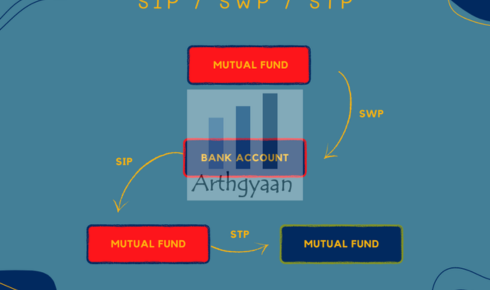
    Systematic Withdrawal Plan (SWP) is a popular investment strategy that allows investors to withdraw a fixed amount regularly from their mutual fund investments. When comparing SWP with other investment strategies such as lump-sum investments or Systematic Investment Plan (SIP), several factors come into play. SWP provides a regular income stream for investors, making it suitable for those looking for a steady cash flow. On the other hand, lump-sum investments involve investing a large amount at once, which may not be suitable for investors seeking regular income. SIP, on the other hand, involves investing a fixed amount at regular intervals, which can help in rupee-cost averaging but may not provide a regular income stream like SWP. Therefore, investors need to consider their financial goals, risk tolerance, and liquidity needs when choosing between SWP and other investment strategies.

    HDFC SKY, by HDFC Securities, offers a wide range of investment options including equities, ETFs, mutual funds, IPOs, derivatives, commodities, currencies, and global stocks. Investors looking to implement an SWP strategy can benefit from the diverse investment options available on the platform. With zero account-opening charges and flat brokerage rates, HDFC SKY provides a cost-effective solution for investors looking to manage their investments efficiently. Additionally, the platform’s expert research and intuitive tools can help investors make informed decisions when setting up and managing their SWP. By comparing SWP with other investment strategies on a platform like HDFC SKY, investors can tailor their investment approach to meet their financial objectives effectively.

  • Why Financial Planning Matters: Insights from Better Financial Tomorrow

    Why Financial Planning Matters: Insights from Better Financial Tomorrow

    Discover why financial planning is crucial for achieving long-term financial stability and success in this insightful article based on the expertise of Better Financial Tomorrow. Learn how strategic planning can help you reach your financial goals and secure a brighter future.

    Understanding the Importance of Financial Planning

    Financial planning plays a crucial role in helping individuals and families achieve their short-term and long-term financial goals. By creating a comprehensive financial plan, individuals can assess their current financial situation, set specific financial goals, and develop a roadmap to achieve those goals. Understanding the importance of financial planning allows individuals to make informed decisions regarding budgeting, saving, investing, and managing debt. Through proper financial planning, individuals can better prepare for unexpected expenses, such as medical emergencies or job loss, and build a secure financial future for themselves and their loved ones.

    Moreover, financial planning provides individuals with a sense of financial security and peace of mind. Knowing that they have a well-thought-out plan in place to achieve their financial objectives can alleviate stress and anxiety related to money management. Financial planning also helps individuals to prioritize their financial goals, whether it’s saving for retirement, buying a home, funding education, or starting a business. By understanding the importance of financial planning, individuals can take control of their finances, make informed decisions, and work towards achieving financial independence and stability.

    Better Financial Tomorrow, led by Clyde Gonsalvez in Western Sydney, supports individuals with tailored financial strategies. The firm specializes in complex loans, retirement planning, and investment advice, empowering clients to achieve their financial goals with confidence and clarity.

    Setting Financial Goals for a Secure Future

    Setting financial goals is crucial for securing a stable and prosperous future. One of the first steps in this process is to establish clear and realistic objectives that align with your long-term financial aspirations. Whether it be saving for retirement, buying a home, starting a business, or paying off debts, having specific goals in mind helps provide direction and motivation in managing your finances effectively. By setting measurable targets, such as saving a certain amount each month or increasing your income by a certain percentage, you can track your progress and make adjustments as needed to stay on track towards achieving your financial milestones.

    Furthermore, setting financial goals allows you to prioritize your spending and make informed decisions about where to allocate your resources. It helps instill discipline in your financial habits, encouraging you to save and invest wisely for the future rather than succumbing to impulsive or unnecessary purchases. Having a clear roadmap of your financial objectives also enables you to create a budget that reflects your priorities and values, ensuring that you are allocating your money towards activities and investments that align with your goals. Ultimately, setting financial goals not only improves your financial well-being but also provides a sense of security and peace of mind knowing that you are working towards a more stable and prosperous future.

    Budgeting and Managing Expenses Effectively

    Budgeting is a crucial financial management tool that helps individuals and organizations plan and track their expenses. By creating a budget, one can allocate funds to different categories such as groceries, bills, savings, and entertainment, ensuring that money is spent wisely and in line with financial goals. To manage expenses effectively, it is essential to monitor spending habits regularly and make adjustments to stay within the budget. This can involve cutting back on unnecessary expenses, finding ways to save money, and prioritizing essential purchases. By setting realistic financial goals and sticking to a budget, individuals can avoid overspending, reduce debt, and build a solid financial foundation for the future.

    Managing expenses effectively involves developing good financial habits, such as tracking spending, avoiding impulse purchases, and seeking out cost-saving opportunities. It is important to be mindful of where money is being spent and to identify areas where expenses can be reduced or eliminated. Using tools such as budgeting apps or spreadsheets can help streamline the process of tracking expenses and staying on top of financial goals. Additionally, creating an emergency fund can provide a financial safety net for unexpected expenses and help avoid going into debt. By taking a proactive approach to budgeting and managing expenses, individuals can achieve financial stability and work towards their long-term financial objectives.

    Investing Wisely for Long-Term Growth

    Investing wisely for long-term growth involves a strategic approach to building wealth over an extended period. One key aspect of long-term investing is diversification. By spreading your investments across different asset classes such as stocks, bonds, real estate, and commodities, you can reduce the overall risk in your portfolio. Diversification helps protect your investments from market volatility and economic downturns, ensuring that your wealth continues to grow steadily over time. Another important factor in long-term investing is patience. Successful long-term investors understand that market fluctuations are normal and that staying invested through the ups and downs is crucial for achieving significant growth over the years. By resisting the urge to make impulsive decisions based on short-term market trends, investors can benefit from the power of compounding and generate substantial returns over the long run.

    Furthermore, investing wisely for long-term growth requires a focus on fundamental analysis. Conducting thorough research on the companies or assets you are considering investing in can help you identify strong, stable businesses with growth potential. By looking beyond short-term performance indicators and assessing factors such as revenue growth, profitability, competitive advantages, and industry trends, you can make informed decisions that align with your long-term investment goals. Additionally, regular review and rebalancing of your investment portfolio are essential for long-term success. As market conditions evolve and your financial objectives change, adjusting your investment mix to maintain a balanced and diversified portfolio can help you optimize returns and mitigate risks. By staying disciplined, informed, and proactive in your investment approach, you can set yourself up for long-term growth and financial security.

    Better Financial Tomorrow financial planning emphasizes a comprehensive approach, offering services like home loans, retirement planning, and investment advice. By partnering with experts like Better Financial Tomorrow, you can ensure that your financial decisions are aligned with your long-term goals, ensuring a stable and prosperous future.

    Building an Emergency Fund for Financial Stability

    Building an emergency fund is a crucial step towards achieving financial stability and peace of mind. An emergency fund acts as a safety net, providing a financial cushion to help cover unexpected expenses or income disruptions. Setting aside three to six months’ worth of living expenses is typically recommended, though the exact amount can vary based on individual circumstances. This fund should be easily accessible in a liquid form, such as a savings account, to ensure quick access when needed. By consistently contributing to an emergency fund, individuals can avoid going into debt or tapping into other long-term savings accounts during times of financial strain.

    Establishing an emergency fund requires discipline and commitment to regularly set aside a portion of income for this specific purpose. Creating a budget and identifying areas where expenses can be reduced can help free up funds to contribute towards the emergency fund. Automating contributions to the fund can also be a helpful strategy to ensure consistency and prevent the temptation to spend the money elsewhere. Additionally, it is important to periodically review and adjust the size of the emergency fund as financial circumstances change. Building an emergency fund may require time and sacrifice in the short term, but the long-term financial security and peace of mind it provides make it a worthwhile endeavor.

    Managing Debt and Improving Credit Score

    Managing debt and improving credit score go hand in hand when it comes to achieving financial stability. One of the first steps in managing debt is to create a budget and track your expenses. This will help you understand where your money is going and where you can cut back to free up funds to pay off your debts. Prioritize your debts by focusing on high-interest debts first to minimize the amount of interest you accumulate. Consider consolidating your debts into one lower-interest loan to make repayments more manageable. It’s essential to make timely payments on all your debts to avoid late fees and negative impacts on your credit score.

    Improving your credit score is a gradual process that requires discipline and consistency. Regularly check your credit report for errors and dispute any inaccuracies to ensure your score is an accurate reflection of your financial history. Keep your credit utilization ratio low by not maxing out your credit cards and paying off balances in full each month. Avoid opening multiple new credit accounts at once, as this can signal to lenders that you are a high-risk borrower. Demonstrating responsible credit behavior, such as making on-time payments and keeping your credit balances low, will gradually improve your credit score over time.

    Planning for Retirement and Beyond

    Planning for retirement and beyond is a critical aspect of financial management that requires careful consideration and strategic decision-making. As individuals approach retirement age, it is essential to evaluate various aspects of their financial situation, including savings, investments, pension plans, and social security benefits. Developing a comprehensive retirement plan involves setting specific goals, estimating future expenses, and establishing a realistic budget to ensure a comfortable and financially secure retirement. Additionally, it is crucial to consider factors such as healthcare costs, long-term care needs, and potential inflation to safeguard against unexpected financial challenges in the future.

    Beyond retirement, individuals must also plan for the later stages of life, including estate planning and legacy considerations. Creating a will, establishing trusts, and designating beneficiaries are essential steps to ensure that assets are distributed according to one’s wishes and to minimize tax implications for heirs. Moreover, individuals may choose to engage in philanthropic endeavors or charitable giving as part of their legacy planning. Planning for retirement and beyond involves a comprehensive approach to financial management that not only focuses on achieving personal financial goals but also on securing a lasting legacy for future generations.

    Protecting Your Assets with Insurance

    Protecting your assets with insurance is essential to safeguarding your financial well-being in the face of unexpected events. Insurance provides a safety net by transferring the risk of potential loss to an insurance company in exchange for regular premium payments. Different types of insurance, such as homeowner’s insurance, auto insurance, health insurance, and life insurance, offer protection for your assets and financial interests in various areas of your life. By having the right insurance coverage in place, you can mitigate the financial impact of accidents, natural disasters, illnesses, or other unforeseen circumstances that could otherwise deplete your savings or assets.

    Choosing the appropriate insurance coverage for your assets involves assessing your risks, evaluating your needs, and understanding the terms and conditions of the policies available. It is crucial to review and update your insurance policies regularly to ensure they adequately cover your assets and liabilities. Working with a reputable insurance agent or broker can help you navigate the complexities of insurance products and customize a coverage plan that suits your specific circumstances. By proactively managing your insurance coverage, you can protect your assets, minimize potential losses, and gain peace of mind knowing that you have a financial safety net in place for any unexpected events that may arise.

    Estate Planning and Wealth Transfer Strategies

    Estate planning is a crucial aspect of managing one’s assets and ensuring that they are transferred to beneficiaries in a smooth and efficient manner after the individual’s passing. This process involves creating a comprehensive plan that outlines how assets will be distributed, who will receive them, and when this transfer will occur. By engaging in estate planning, individuals can minimize taxes, avoid probate, and protect their assets from creditors. Various tools such as wills, trusts, and powers of attorney are commonly used in estate planning to ensure that the wishes of the individual are carried out according to their intentions. Moreover, estate planning allows individuals to designate guardians for minor children, plan for incapacity, and provide for charitable giving, thereby ensuring that their legacy is preserved for future generations.

    Wealth transfer strategies are an integral part of estate planning and involve the thoughtful and strategic transfer of assets to intended beneficiaries. These strategies aim to maximize the value of the assets being transferred while minimizing tax liabilities and ensuring that the wishes of the individual are upheld. Some common wealth transfer strategies include gifting assets during one’s lifetime, establishing trusts to hold and distribute assets, and utilizing life insurance policies to provide for heirs. By implementing these strategies, individuals can create a well-structured plan that not only preserves their wealth but also provides for their loved ones in a tax-efficient manner. Wealth transfer strategies often involve working closely with financial advisors, estate planning attorneys, and tax professionals to develop a customized plan that meets the individual’s specific goals and objectives.

    Navigating Economic Uncertainty through Financial Planning

    Navigating economic uncertainty through financial planning is crucial for individuals and businesses alike. In times of economic volatility, having a solid financial plan in place can provide a sense of stability and security. Financial planning involves setting clear financial goals, creating a budget, managing debt, and building an emergency fund. By establishing a financial plan, individuals can better prepare for unexpected events such as job loss, market downturns, or health emergencies. This proactive approach allows individuals to make informed decisions during uncertain times and adjust their financial strategies accordingly.

    Moreover, financial planning helps individuals and businesses weather economic uncertainty by ensuring they have a diversified investment portfolio. Diversification is key to mitigating risk and protecting assets during periods of economic instability. A well-structured financial plan takes into account factors such as risk tolerance, time horizon, and investment objectives to create a balanced portfolio that can withstand market fluctuations. Additionally, financial planning involves regularly monitoring and reviewing one’s financial situation to make necessary adjustments as economic conditions change. By staying proactive and flexible in their financial planning approach, individuals and businesses can navigate economic uncertainty with greater confidence and resilience.

  • How Litigation Impacts Business Disputes and Resolutions

    How Litigation Impacts Business Disputes and Resolutions

    Litigation, in simple terms, is the process of taking a dispute to court. It’s a formal way businesses resolve conflicts when other methods fail. In the business world, disputes arise often. They might involve contracts, partnerships, intellectual property, or even employment issues. When these disputes escalate, litigation becomes a common path. But how does litigation actually impact the way businesses handle these conflicts? This article dives into that, showing the influence of litigation on dispute resolution in business.

    Costs and Risks Associated with Litigation

    Litigation is expensive. Legal fees, court costs, and the time invested can pile up quickly. For many businesses, the financial strain alone makes litigation a risky move. Beyond money, there’s also the risk to reputation. Public court battles can expose company secrets or damage brand trust. Delays and uncertainty further complicate matters, stretching dispute resolution over months or years. These factors often weigh heavily on a business’s decision to pursue or avoid litigation. The risks sometimes push companies toward alternative dispute resolution methods like arbitration or settlement talks.

    Impact on Business Relationships

    Business disputes often affect relationships, and litigation can make that impact more intense. The adversarial nature of court proceedings tends to deepen divides. What might have been a manageable disagreement can turn into a prolonged battle. This strain can harm future partnerships or collaborations. However, for some, litigation provides a clean break. It can bring finality where ongoing conflict might have dragged on indefinitely. Understanding this impact is crucial for businesses deciding how to approach a dispute. Sometimes, preserving a relationship means avoiding litigation altogether.

    Legal Precedents and Their Effect on Future Business Disputes

    Litigation can create legal precedents—court decisions that influence how similar disputes are resolved later. These precedents can clarify ambiguous laws or set standards for business conduct. For companies, this means that a single litigation case might have ripple effects beyond the immediate parties. Knowing these potential consequences adds another layer of consideration when deciding to litigate. Precedents can either protect business interests or impose new obligations. This legal backdrop shapes the environment in which future disputes arise and are handled.

    Litigation as a Catalyst for Alternative Dispute Resolution

    Interestingly, litigation often encourages businesses to explore alternatives like mediation or arbitration. The lengthy and costly nature of court battles pushes companies to find quicker, less confrontational ways to resolve disputes. Sometimes, just the initiation of litigation prompts settlement discussions. Courts also increasingly require parties to attempt alternative dispute resolution before proceeding. These methods can save time, money, and relationships. In this way, litigation indirectly fosters more cooperative approaches to conflict resolution in the business world.

    Conclusion

    Litigation is a powerful tool in resolving business disputes, but it comes with costs and consequences. It influences negotiation tactics, impacts relationships, and sets legal precedents that shape future conflicts. While it offers a formal path to resolution, its risks often push businesses to consider alternatives. Understanding how litigation affects disputes helps companies make smarter decisions about when and how to use it. Ultimately, balancing the benefits and drawbacks of litigation is key to navigating business conflicts successfully.

  • Tired of Filters? This Skin-Enhancing Pair Brings Out Your Natural Glow

    Tired of Filters? This Skin-Enhancing Pair Brings Out Your Natural Glow

    In today’s digital age, many of us rely on filters to achieve that flawless, radiant look in photos. But what if you could attain that natural glow without the need for digital enhancements? Enter the dynamic duo of white tomato supplements and collagen drinks—two powerful allies in the quest for luminous, healthy skin.

    Understanding White Tomato Supplements

    White tomatoes, unlike their red counterparts, are rich in unique colorless carotenoids such as phytoene and phytofluene. These compounds offer potent antioxidant properties, helping to combat free radicals that contribute to skin aging. Additionally, they possess natural UV-absorbing capabilities, providing an internal layer of sun protection. Regular consumption of white tomato supplements can lead to a brighter, more even complexion by reducing melanin production and addressing hyperpigmentation issues. 

    The Role of Collagen Drinks

    Collagen is the most abundant protein in our bodies, playing a crucial role in maintaining skin elasticity and strength. As we age, natural collagen production declines, leading to wrinkles and sagging skin. Incorporating collagen drinks into your routine can help replenish these levels. Studies have shown that collagen supplements can improve skin hydration, elasticity, and reduce the appearance of wrinkles, promoting a youthful and radiant appearance. 

    The Synergy Between White Tomato Supplements and Collagen Drinks

    Combining white tomato supplements with collagen drinks offers a comprehensive approach to skin health. While collagen works to strengthen the skin’s structure and improve elasticity, white tomato supplements provide antioxidant protection and promote an even skin tone. Together, they address both the internal and external factors that affect skin aging, resulting in a more radiant and youthful complexion.

    Incorporating These Supplements into Your Routine

    For optimal results, it’s essential to integrate these supplements into a balanced lifestyle. Here are some actionable steps:

    1. Choose Quality Products: Not all supplements are created equal. Look for reputable brands that provide transparent ingredient lists and have positive customer reviews. For instance, Nano Singapore offers a range of supplements that might align with your needs.
    2. Consistency is Key: Incorporate the supplements into your daily routine. Set a reminder or pair them with another daily habit to ensure regular consumption.
    3. Maintain a Healthy Diet: Supplements should complement a diet rich in fruits, vegetables, lean proteins, and whole grains. Staying hydrated and consuming antioxidant-rich foods can further enhance skin health.
    4. Sun Protection: While white tomato supplements offer some UV protection, it’s still crucial to apply sunscreen daily to protect against harmful UV rays.
    5. Consult a Healthcare Professional: Before starting any new supplement regimen, especially if you have pre-existing medical conditions, consult with a healthcare provider to ensure it’s appropriate for you.

    Where to Buy Supplements Online

    To buy supplements online with confidence, choose reputable retailers that guarantee product authenticity and quality. Look for websites that offer detailed product descriptions, verified customer reviews, and clear return policies. Always verify the credibility of the online store before making a purchase to ensure you’re getting safe and effective supplements.

    Empower Your Natural Beauty

    Embracing the combination of white tomato supplements and collagen drinks can be a transformative step towards achieving the natural glow you’ve always desired. By nourishing your skin from within, you’re investing in long-term health and beauty. Remember, while these supplements can provide significant benefits, they work best when part of a holistic approach that includes a balanced diet, proper hydration, sun protection, and regular skincare.

    Say goodbye to reliance on filters and hello to the confidence that comes with naturally radiant skin. With the right tools and habits, your skin can reflect the vitality and beauty that you feel inside.

  • Pawn Shops in My Area: Considerations Before Visiting

    Pawn Shops in My Area: Considerations Before Visiting

    Introduction

    It’s crucial to discover speedy solutions for financial problems in the fast-paced world of today. Pawn shops are a convenient choice for a lot of people. Before you head inside a “pawn shop near me,” it’s important to be aware of the following factors. In this article, we’ll go over the essentials to help you shop at pawn shops with confidence and ease.

    Reputation and reliability:

    Before choosing a pawn shop in your neighborhood, take some time to research their reliability and reputation. Get recommendations from friends and family, check online reviews, and see if the store is licensed and regulated. A reliable pawn shop will have fair prices, transparent and honest policies, and a history of satisfied customers. Check the pawnbroker’s moral character and dependability.

    Variety of Services:

    Many pawn shops offer a number of services in addition to regular pawn loans. While some may concentrate on certain goods, such as jewelry, electronics, or musical instruments, others may provide other services, such sales and purchases of entire items or the ability to put money on layaway. Consider the services that are most important to you and choose a pawn shop that meets your needs.

    Assessing Process:

    Be aware of the steps pawn shops use to evaluate items before accepting them for pawn or sale. An experienced pawnbroker will take the item’s market value, authenticity, and condition into account when determining its worth. Transparency in the assessment process is necessary to ensure that you receive a fair offer. To maximize the evaluation value of any assets you may have, keep them clean and well-maintained.

    Terms and Conditions:

    Before taking out a loan or selling something, carefully review the terms and conditions provided by the pawn shop. Pay close attention to the terms of repayment, interest rates, and any other associated expenses. Knowing the terms up front allows you to make an informed decision and prevent unpleasant surprises later on.

    Accessibility and Convenience:

    Choose a pawn shop that is conveniently located and easily accessible from your location. Consider factors such as ease of parking, operating hours, and overall store atmosphere. Pawn shops that are conveniently located will streamline the procedure and increase its efficiency.

    Customer service:

    The quality of customer service provided at a pawn shop can have a big impact on your experience there. Select a business where the staff members are courteous, knowledgeable, and committed to fulfilling your needs. The entire pawn, sell, or buy experience can be improved by offering outstanding customer service.

    Security measures:

    To safeguard your belongings and personal information, make sure the pawn shop gives security measures first attention. This include upholding the rules regulating pawnbroking operations, safely storing pawned goods, and protecting the privacy of information during transactions. Knowing that your belongings are protected will make you feel more comfortable doing business with the pawn shop.

    Conclusion

    Before you visit a pawn shop near me, consider these important factors to ensure a successful and fulfilling encounter. By learning about the standing of the company, the range of services offered, the assessment process, and the terms and circumstances, you may make well-informed judgments that satisfy your financial needs. Make security, accessibility, and customer service your main priorities if you want to enhance your pawn shop experience even further. If you take careful consideration and planning before using a pawn shop, you can successfully employ their services to suit your financial demands.

    Keep in mind that pawn shops can be a terrific place to get unexpected treasures, sell unwanted items, or get a quick loan. Make wise choices so you may get the most out of your visit to the local pawn shop.